Tokyo
Tokyo Bangkok
 Seoul
Seoul Singapore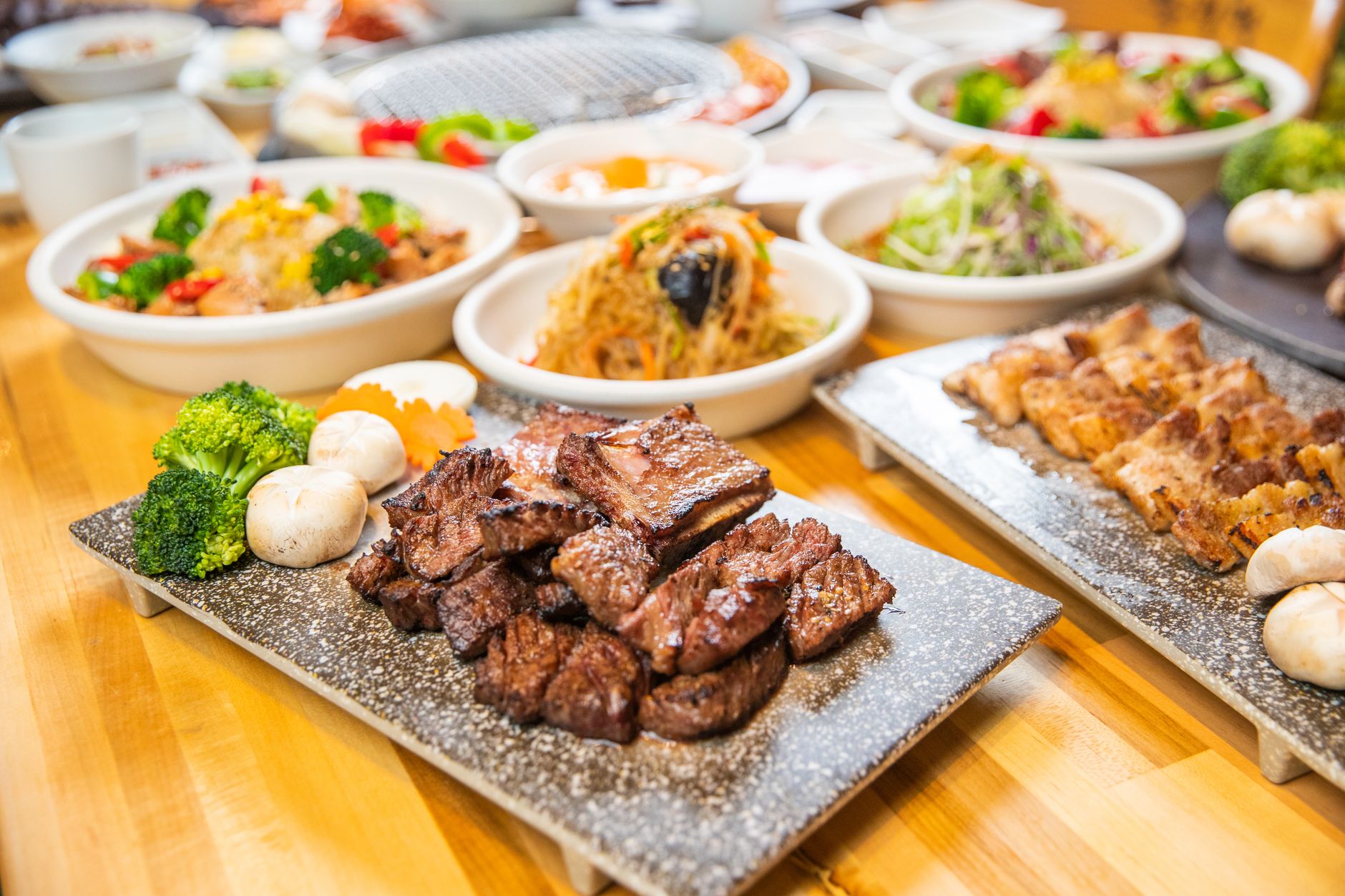
Why Korean Fermented Foods Are Key to Living Longer
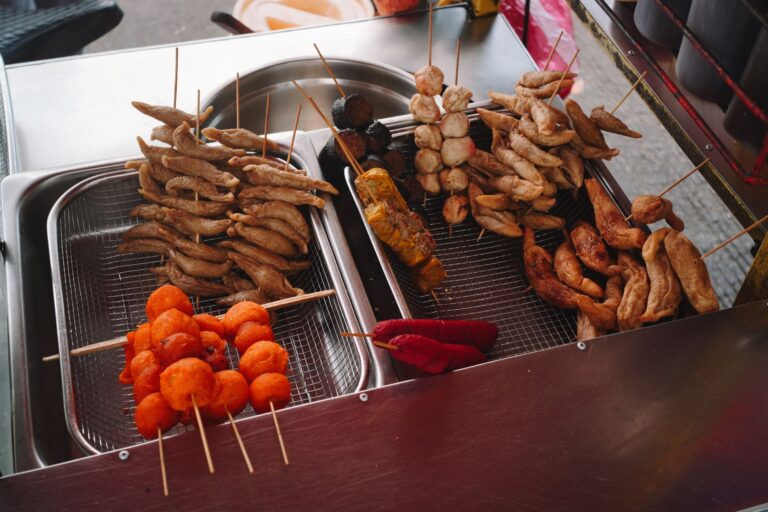
The first thing you notice at Seoul’s Gwangjang Market isn’t the durian or chili oil—it’s that deep, funky smell of fermentation. Kimchi bubbles away in clay pots. Doenjang darkens in wooden barrels. Salted fish perfumes the humid air. At dawn, vendors arrange their stalls with surgical precision. This isn’t just food—it’s centuries of Korean longevity wisdom packed into every bite.
Fermentation: The Invisible Work That Protects Your Gut
Kimchi isn’t a side dish in Korea—it’s a daily necessity. Eaten with breakfast, lunch, and dinner. The magic happens during fermentation. When napa cabbage meets salt and gochugaru, lactobacillus bacteria move in. These probiotics strengthen your gut lining. Helps digestion too. Watch Korean grandmothers in their 80s devour spicy kimchi without issues—there’s science behind that resilience.
Then there’s doenjang. Fermented soybean paste packed with umami. One spoonful delivers gut-friendly bacteria. Gochujang (fermented chili paste) and jeotgal (salted seafood) work similar magic. Koreans don’t just dab these on food—they build entire meals around them. Fermentation breaks down tough proteins and unlocks minerals. Your body absorbs more nutrition this way. Simple biology, really.
Vegetables Dominate: Why Korean Plates Look Nothing Like Western Ones
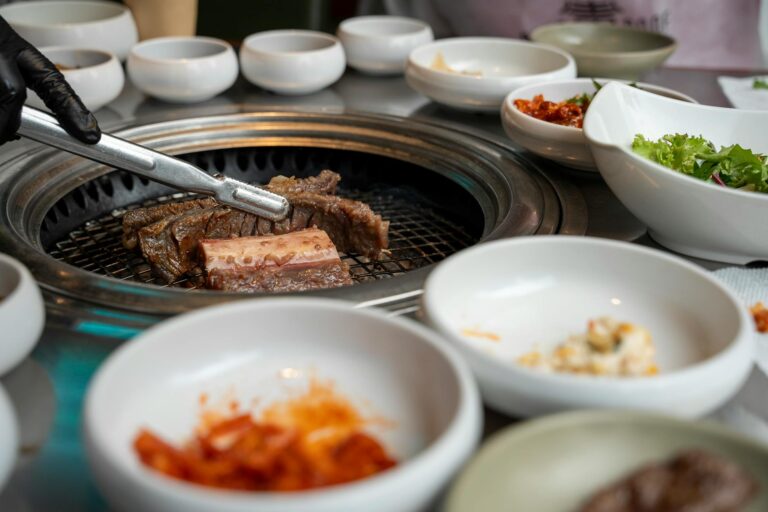
A Korean meal makes one thing clear: vegetables rule. Banchan (side dishes) take center stage—spinach, zucchini, radish, mushrooms. The protein? Maybe a small piece of fish or meat. After eating this way for weeks, energy levels spike. Bloating disappears. You realize how skewed Western portions have become.
Korean cuisine runs on greens, roots, and sea vegetables like miyeok. These aren’t afterthoughts—they’re nutrient powerhouses. Most get quick cooking: light steaming, fast stir-fries. Preserves what long cooking destroys. With some of the world’s lowest colorectal cancer rates, Korea proves plants aren’t just healthy—they’re essential.
Low Fat, High Sense: How Korean Cooking Stays Lean
Korean food doesn’t swim in oil. Watch street vendors make tteokbokki or pajeon—they use just enough to prevent sticking. Fat comes from finishing touches of sesame oil, fish stocks, natural seafood oils. A bowl of miyeok guk barely cracks 50 calories. Grilled mackerel delivers omega-3s without the grease.
Meat appears, but never dominates. A meal might include 2-3 ounces of bulgogi beside mountains of vegetables. Flavor comes from fermentation and technique, not butter or cream. Korea’s obesity rate stays shockingly low. Life expectancy hits 82.9 years. The connection? Obvious.
Want to eat for longevity? Skip fancy superfoods. Load up on fermented veggies. Make plants the star. Use fat sparingly. That’s not a diet trend—it’s how Koreans have eaten for generations.