Tokyo
Tokyo Bangkok
 Seoul
Seoul Singapore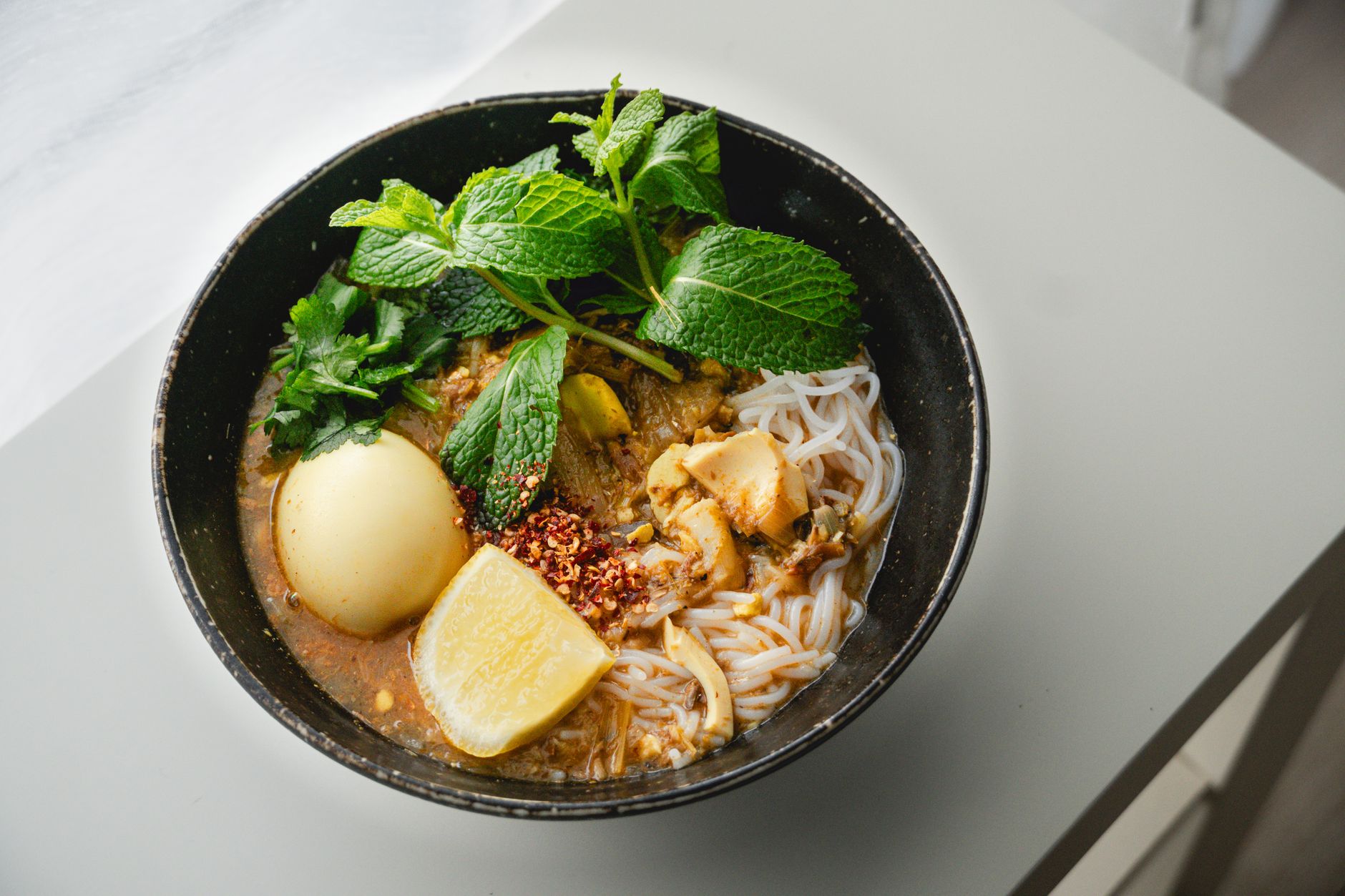
Make Laksa Paste at Home: Authentic Nyonya Method
Laksa in Malaysia isn’t some fancy weekend project—it’s Tuesday night dinner, the kind your mum whips up because everyone’s hungry and shortcuts won’t cut it. The paste makes or breaks it. Screw it up, and you’ve got sweet coconut soup. Nail it, and suddenly those 6 AM hawker stall lines make perfect sense. Scratch-made paste? That’s the difference between cooking laksa and knowing laksa.
Why Candlenuts Are Non-Negotiable
Candlenuts (buah keras) are the secret most home cooks miss. Their oily richness builds the paste’s body, gluing everything together so it doesn’t turn gritty. Find them frozen or vacuum-packed at Asian grocers. Macadamias or almonds won’t work—the fat and texture are all wrong. In Penang and Melaka, Nyonya cooks toast them lightly first. Just 2-3 minutes in a dry pan, no browning. This unlocks a subtle sweetness most recipes skip. Grind them right, and you get that velvety base that clings to your tongue—the hallmark of proper laksa.
Dried Shrimp: The Umami Anchor You Can’t Ignore
Dried shrimp (udang kering) is why people go back for seconds without knowing why. Get small, pink ones that smell like the ocean. Stale shrimp tastes like bad fish. Soak them in warm water for 10 minutes first—it softens them for grinding. Nyonya kitchens from Georgetown to Jonker Walk use about two tablespoons per batch, but adjust to taste. It should whisper, not shout. When blended right, it weaves through the paste, giving that deep savoury kick Thai and Singaporean versions lack.
Galangal and Building Your Paste Architecture
Galangal (lengkuas) isn’t ginger. It’s sharper, peppery, cuts through coconut milk like a knife. Fresh is best—peel it first to avoid stringy bits. You’ll need a 2-inch chunk per batch. Toss it in the processor with your shrimp, candlenuts, turmeric, lemongrass, shallots, garlic, and chilies. Add just enough water to get things moving. Grind slow. Malaysian grandmas use a mortar and pestle, working it until the paste sticks to a spoon. Fridge it for a week, or freeze in cubes. When you’re ready, fry it in coconut oil first—that’s when the magic happens.
Homemade paste teaches you what laksa really is. Hit up a good Asian grocer. Your first try might be rough, but by batch three, you’ll just know.