Tokyo
Tokyo Bangkok
 Seoul
Seoul Singapore
Tantanmen Ramen: Origins, Best Versions & Where to Eat It
You’ve slurped your way through Tokyo’s tonkotsu spots and hit a wall. Every ramen list recommends the same old places. Here’s the fix: tantanmen. That spicy sesame ramen with ground meat and tingly Sichuan peppercorns? It’s been hiding in plain sight on Japanese menus for years.
Tantanmen Isn’t Just Another Ramen Flavor—It’s a Whole Different Beast
Forget pork bone or soy sauce broths. Tantanmen runs on sesame paste and chili oil. It started in China’s Sichuan province as dan dan noodles—street food hawked from bamboo poles. When Chinese immigrants brought it to Japan in the early 1900s, locals tweaked it: ramen noodles replaced wheat noodles, and it became a proper restaurant dish. Now every region puts its spin on it.
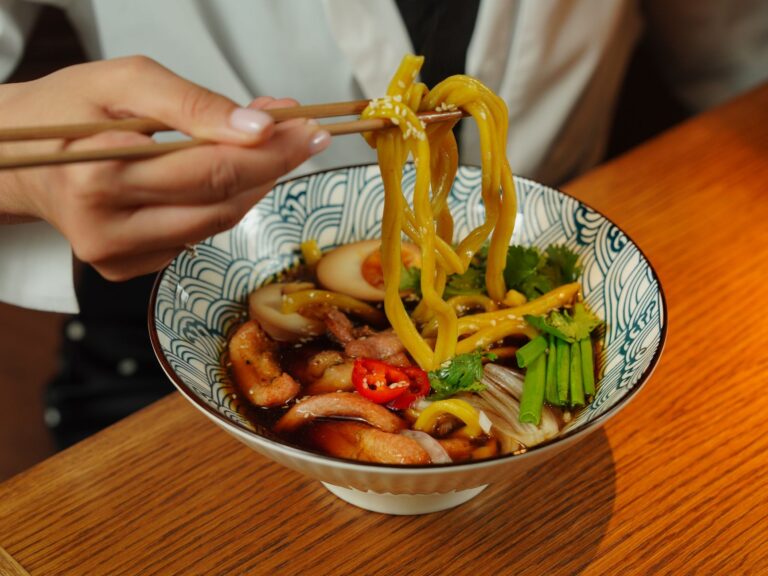
Three things make or break tantanmen. The broth should be rich but not gluey, spicy but not brutal. Toppings need ground meat cooked right into the sauce, plus crunchy veggies like bean sprouts. And the noodles? They’ve gotta have bite. Soggy noodles ruin everything. Bad tantanmen tastes like someone thinned out peanut butter with hot water.
Tokyo’s Lunchtime Favorite vs. Osaka’s Fire Alarm
Head to Ikebukuro for Tokyo’s tantanmen hub. Near Meiji-dori station, spots like Ramen Yokocho serve solid bowls for 800-950 yen. Go for the sesame ramen and pick your heat level—most places offer three options. Tokyo’s version keeps things balanced, perfect for office workers who need to function after lunch.
Osaka doesn’t mess around. Their tantanmen hits harder, especially around Dotonbori and Shinchi. Places like Kiji serve bowls that’ll numb your lips fast. If you’re not ready for the burn, say “karaku nai” (not spicy). No shame—they’ll adjust without judgment.
Outside Japan, tantanmen often disappoints. Chains in London or New York cut corners with pre-made paste and skimpy meat. Stick to Japanese chains like Ippudo if you’re craving it abroad—they’re your safest bet.
Why Tantanmen Gets Overlooked (And Why That’s Dumb)
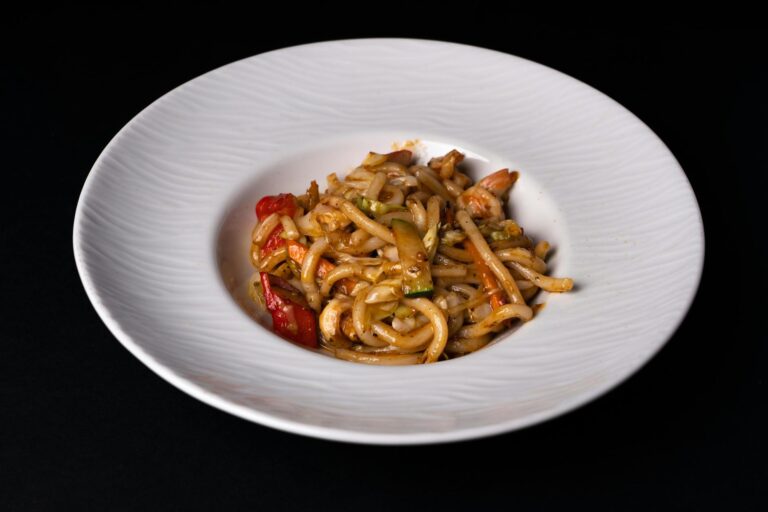
Let’s be real: tantanmen looks like brown sludge in photos. No glossy egg yolks, no milky broth. Travel guides skip it because it’s not “exotic” enough. But that’s the point—it’s what locals actually eat for lunch, not some Instagram stunt.
The magic’s in the mouthfeel. Real Sichuan peppercorns (if they’re used) create this buzzing numbness that’s way cooler than plain heat. It’s not about rarity—it’s about tasting something genuinely different.
Next time you see 担々麺 on a menu, skip the usual order. Go medium spice first. One bite and you’ll get why this stuff has staying power. Suddenly you’ve got a new ramen go-to for life.