Tokyo
Tokyo Bangkok
 Seoul
Seoul Singapore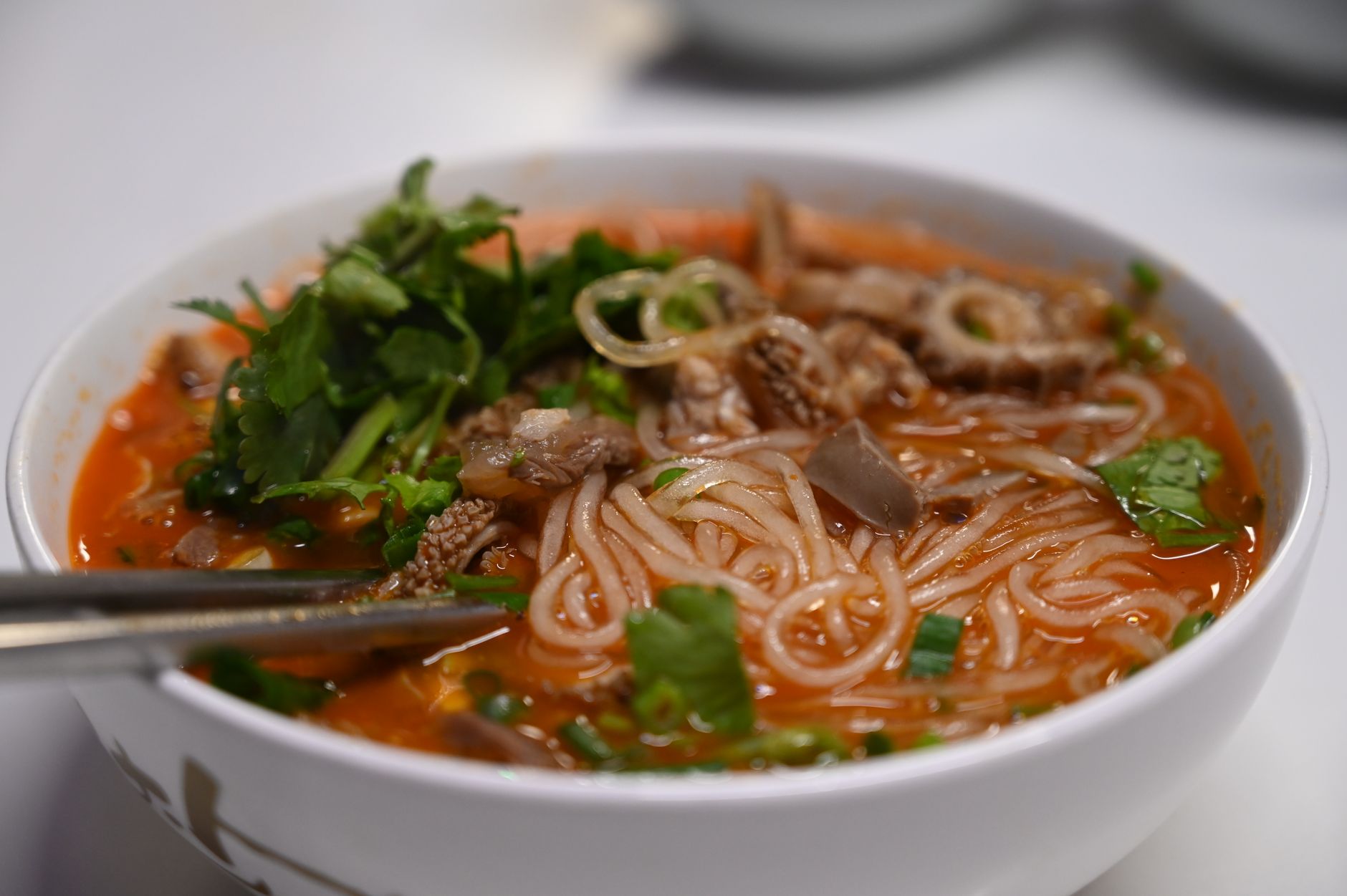
12 Asian Noodle Soups Ranked by Complexity
Noodle soup isn’t about how many ingredients you throw in—it’s about time, skill, and how many flavors hit your tongue at once. A decent bowl and an incredible one often come down to whether the broth was crafted or just thrown together.
Why Broth Makes or Breaks Noodle Soup
The soul of any noodle soup lives in its broth. Fancy noodles and fresh toppings mean nothing if the broth tastes weak. The best Asian noodle soups take serious patience: bones simmered for hours, aromatics added at just the right moment, umami built slow and steady. A basic broth takes two hours. A great one? Two full days. This ranking reflects real technique, not just taste.
Here’s the breakdown: Simple broths use one protein and basic aromatics. Mid-level ones add extra proteins or fermented ingredients. The hardest? Multiple cooking methods—boiling, charring, fermenting—plus ingredients most home cooks won’t even attempt to find.
The Ranking: 12 Noodle Soups by Actual Difficulty
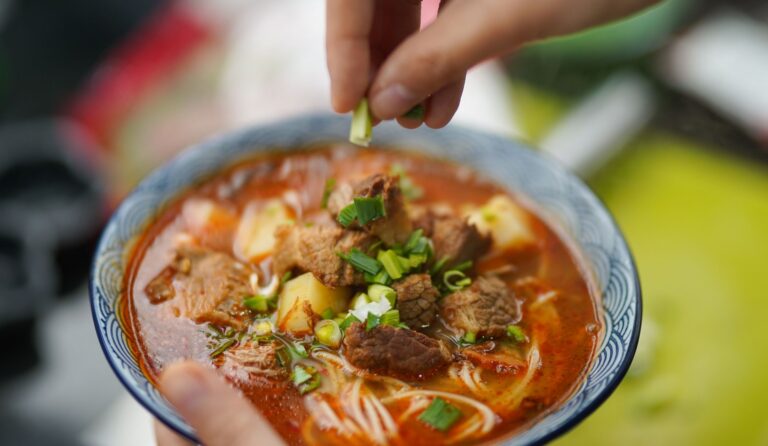
Tier 1 (2-4 hours): Bánh canh (Vietnam), Laksa Johor (Malaysia), Bánh mì soup (Vietnam). These start with simple pork or chicken stock, building flavor with last-minute aromatics. Bánh canh uses tapioca pearls—easier than it sounds.
Tier 2 (6-8 hours): Chicken pho (Vietnam), Miso ramen (Japan), Chicken laksa (Thailand). Pho needs charred onions and ginger but simmers overnight. Miso ramen adds fermented depth to basic broth. Chicken laksa throws in coconut milk and spices—more prep, not more time.
Tier 3 (12-18 hours): Beef pho (Vietnam), Tonkotsu ramen (Japan), Tom yum noodle soup (Thailand). Beef pho simmers all night with charred aromatics. Tonkotsu boils pork bones until the broth turns creamy white—no shortcuts. Tom yum layers herbs, chilies, and shrimp paste for extra complexity.
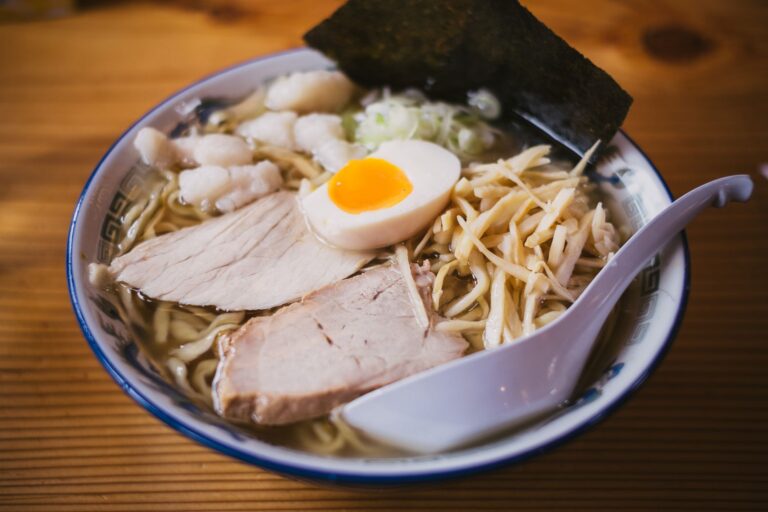
Tier 4 (24-36 hours): Shoyu ramen (Japan), Seafood laksa (Malaysia), Bun rieu (Vietnam). Shoyu ramen mixes chicken, pork, and kombu in stages. Seafood laksa means homemade spice paste plus multiple seafood stocks. Bun rieu ferments crab and shrimp paste before adding to pork broth.
Tier 5 (48+ hours): Dashi-based ramen (Japan), Singaporean curry laksa, Khao soi (Thailand/Laos). The hardest tier. Dashi ramen needs overnight kombu, bonito flakes, plus another stock. Singaporean laksa requires curry paste from scratch and reduced coconut milk. Khao soi blends curry paste with two different meat stocks.
How Real Restaurants Handle the Work
Step into any serious ramen shop in Tokyo or pho spot in Hanoi—you’ll see the proof. Giant pots bubbling nonstop, piles of bones, chefs arriving before dawn. Places that skip steps? You’ll know after one sip. Their broth tastes thin. Forgettable.
London’s Bone Daddies nails tonkotsu—thick, rich, coats your tongue. Sydney’s Goro Ramen keeps broth going 24/7. New York’s Ichiran mirrors Japan’s Fukuoka method exactly. These places succeed because they refuse to cut corners where it counts.
Let’s Be Real: Most Home Cooks Won’t Do This
Not being harsh—just honest. Proper tonkotsu needs 18 pounds of pork bones and a full day’s simmer. Authentic Singaporean laksa requires fresh galangal and shrimp paste you won’t find at Walmart. You can make decent versions. But nailing these soups? That takes commitment.
The best restaurants earned their rep by refusing to take the easy way out. That’s why their soups don’t just taste good—they stick with you.
Pro tip: Order tonkotsu only at places that show off their broth-making. No visible stockpots? No talk of cooking times? Pick something else. The broth is everything.