Tokyo
Tokyo Bangkok
 Seoul
Seoul Singapore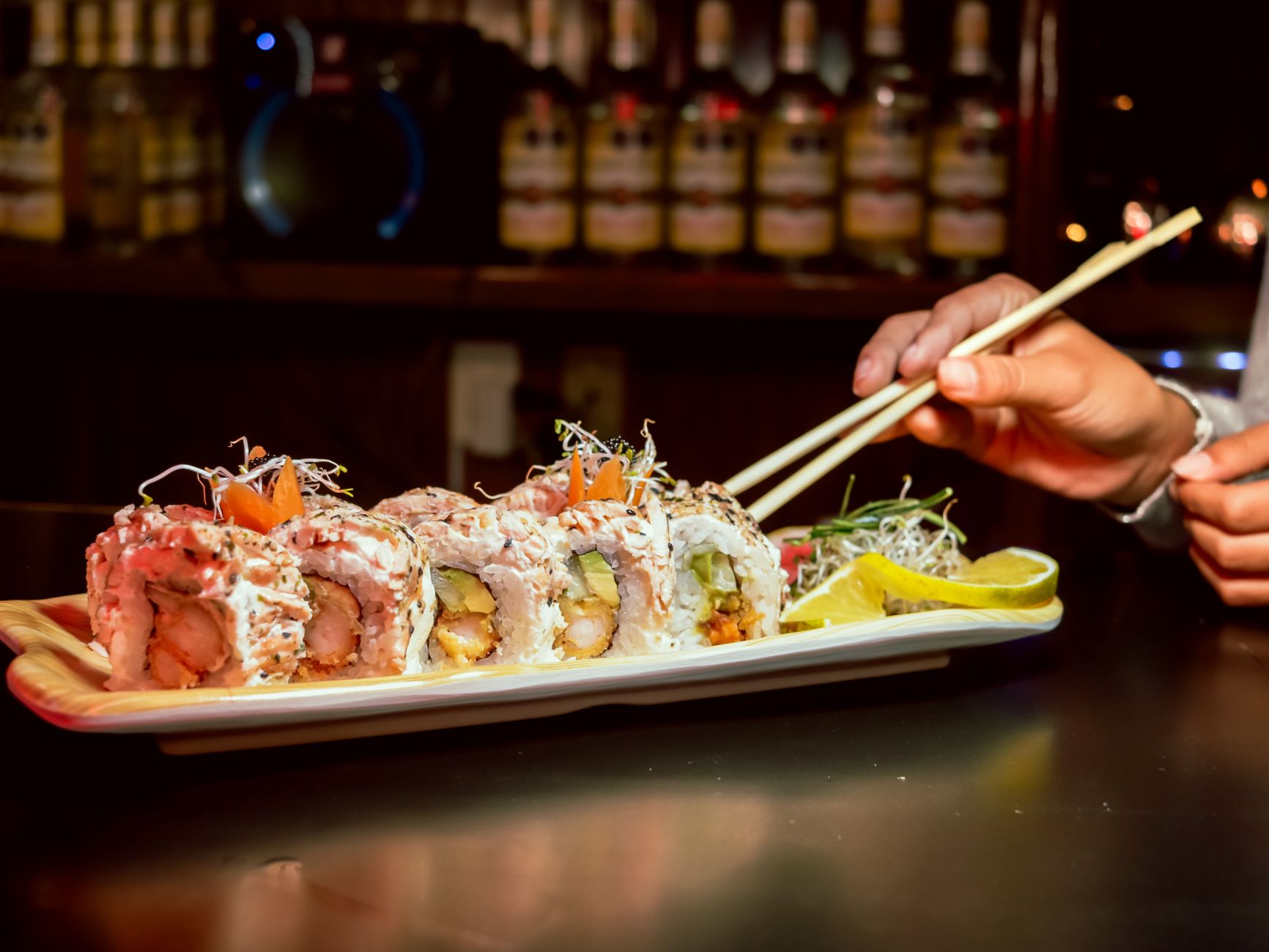
Best Asian Food in San Francisco: Korean, Japanese, Thai & Vietnamese
San Francisco’s Asian food scene is a happy accident of history. When the 1906 earthquake leveled Chinatown, the city’s Asian communities spread out—and never fully regrouped. That scattering created something better than a single enclave: a city where you can taste real regional dishes from four countries within a short drive. Here’s where to eat.
The Mission’s Vietnamese Stretch
Vietnamese food came to San Francisco in waves after 1975, with the Mission District as its main hub. Pho joints dominate Valencia Street, but the real action happens at spots like Thanh Huong. Their bánh mì uses housemade pâté and head cheese—no watered-down versions here. The baguettes alone are a revelation, with a crumb structure most American bakeries can’t replicate.
Skip the pho once in a while. Try cơm tấm (broken rice) at smaller places instead. This isn’t some romanticized peasant dish—it’s made from rice too damaged to sell whole, so it soaks up sauces differently. The texture’s everything. Pair it with grilled pork chops or sardines for a meal actual Vietnamese families eat at home.
Japantown’s Ramen Battles
Japantown walks a line between authentic and commercial. That tension works in your favor. Ramen spots here fight hard for customers, so quality never slips. Ippuku goes all-in on yakitori—chicken skewers where every cut (thigh, skin, cartilage) gets its own perfect grill time. The skin crackles while the meat stays juicy.
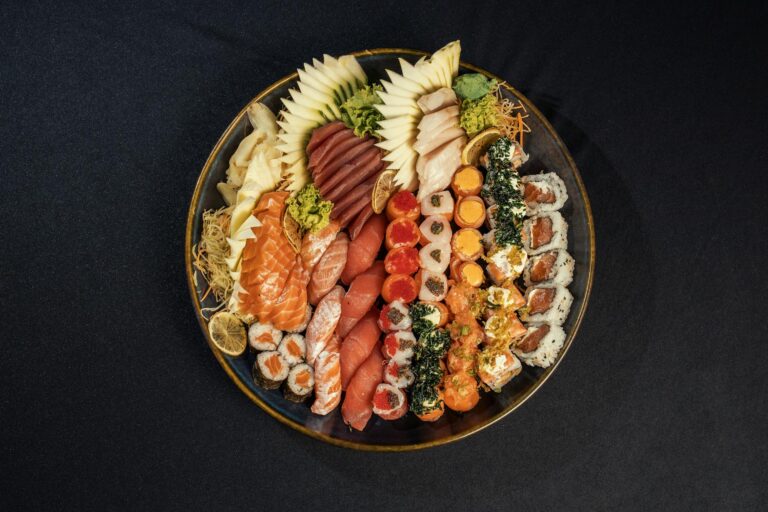
Sushi’s everywhere, but avoid the tourist traps. Hunt for omakase spots getting fish straight from Japan, where the menu changes with the morning’s catch. The difference between fresh and week-old fish? Like reading a recipe versus tasting it. Some chefs here still use nigiri techniques most Americans gave up on years ago.
Sunset’s Korean Heartland
Korean food thrives in the Sunset District, where Clement Street feels like a slice of Seoul. This is where restaurants ferment kimchi properly—no shortcuts. At places like Noriega Korean Restaurant, they even make their own gochujang, tweaking fermentation times for deeper flavor.
Korean BBQ’s a must, but know what you’re doing. That marinade (pear, soy, sesame) tenderizes while adding umami. Grill fast and hot—no endless flipping. Don’t miss soups like oxtail gomtang, simmered for half a day until the broth turns rich without a drop of cream. This isn’t fusion food. It’s what Korean families cooked at home before opening these restaurants.
Because San Francisco’s Asian communities never regrouped after 1906, their food stayed real. Hit the Mission for bánh mì, dive into Japantown’s ramen wars, then finish in the Sunset with BBQ and kimchi. The earthquake accidentally built America’s best Asian food city.