Tokyo
Tokyo Bangkok
 Seoul
Seoul Singapore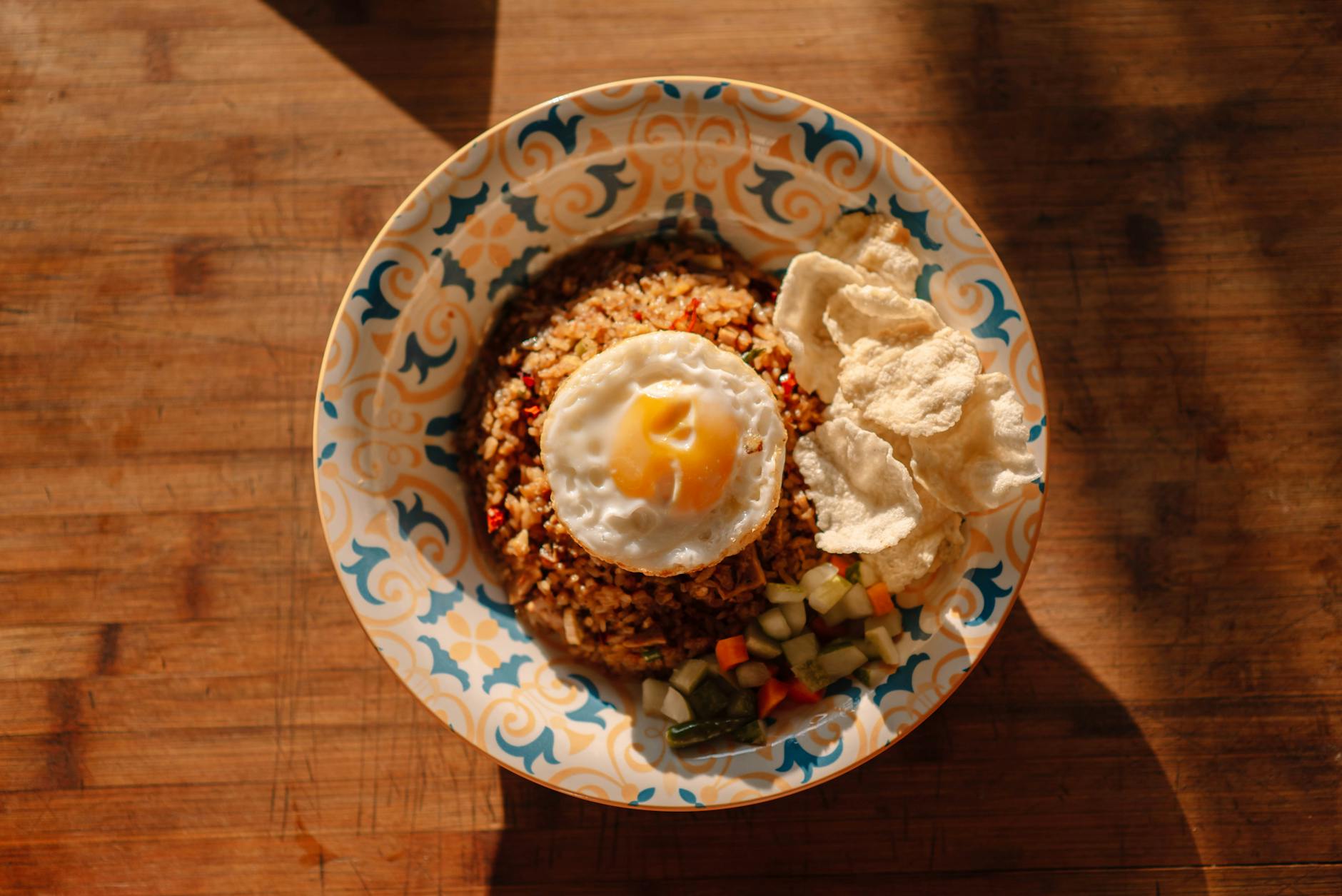
Nasi Goreng: Indonesia’s National Fried Rice Explained
Nasi Goreng: Indonesia’s National Fried Rice and Its Thousand Variations
Think of fried rice with an Indonesian passport—that’s nasi goreng. It’s not just food; it’s a cultural icon. What most people don’t realize? There’s no single recipe. Every region puts its own spin on this dish, revealing Indonesia’s diverse landscapes and history through flavor.
Walk through Jakarta or Bali, and you’ll see nasi goreng isn’t just about reheating leftovers. It’s Indonesian cooking in a nutshell: clever, bold, and ready to adapt to whatever’s in the pantry.
The Heart of Indonesian Fried Rice
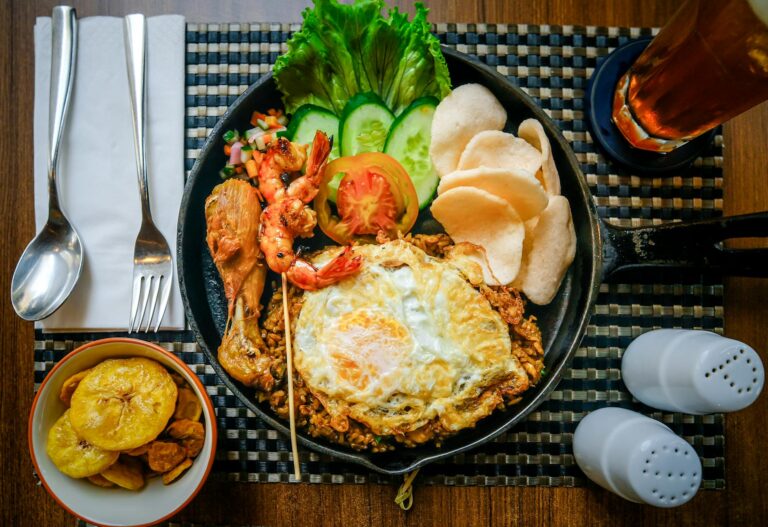
What sets nasi goreng apart from other fried rice? Three key players: kecap manis (that thick, sweet soy sauce), fiery sambal, and funky shrimp paste. Together, they create that addictive sweet-spicy-umami punch you won’t find elsewhere in Southeast Asia.
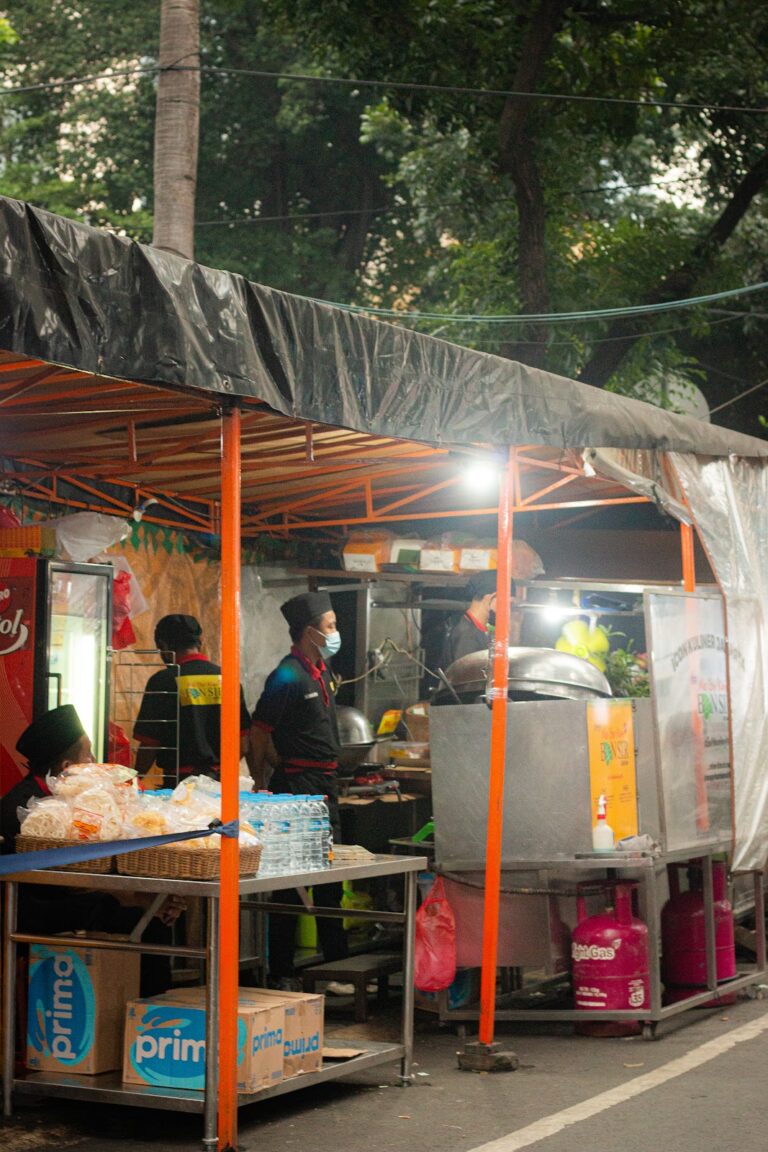
Kecap manis is the secret weapon. Thick like syrup, it clings to every rice grain with molasses-like sweetness. Paired with shrimp paste’s earthy kick? That’s flavor you can’t fake. The rice matters too—day-old grains work best. Fresh rice turns mushy. Street vendors know this cold, using rocket-hot woks to get that perfect char home cooks chase after.
Regional Twists: One Dish, Many Flavors
With 17,000 islands, Indonesia’s nasi goreng scene is wildly diverse. Java keeps it simple with lightly sauced versions. Sumatran cooks might toss in coconut milk and foraged greens. In Bali, expect crispy shallots and peanuts—a nod to local farms.
The protein game changes constantly. Shrimp’s the classic, but squid, chicken, or tofu all get their turn. Some Jakarta spots go luxe with lobster, though old-school fans say the real magic happens at street carts.
Then there’s nasi goreng gila—the “crazy” version that throws in everything but the kitchen sink. No rules, just delicious chaos. That’s nasi goreng in a nutshell: make it work with what you’ve got.
Nailing It at Home
Good nasi goreng doesn’t need professional gear—just solid technique. Start with cold, day-old rice (no clumps). Crank your burner high. Like, really high.
Toast garlic, shallots, and ginger first. Brown your protein, then add rice. Keep it moving—you want every grain to hit the hot pan. Drizzle in kecap manis and sambal to taste. Top with a fried egg (runny yolk mandatory). Don’t skip the garnishes: crunchy shallots, fresh cilantro, lime. They’re not decoration—they’re part of the flavor.
Why Nasi Goreng Wins
There’s a reason this dish travels well. Vegetarian? Easy. Got random leftovers? Perfect. Yet somehow, it always tastes distinctly Indonesian—whether from a plastic stool on the street or a fancy restaurant.
Nasi goreng pulls off a neat trick: it’s humble but never boring, traditional but open to new ideas. Simple in theory, complex in flavor. That’s Indonesian cooking for you.
Want to taste the world’s best fried rice? Forget searching for the “right” recipe. In Indonesia, they’re all right—just different.