Tokyo
Tokyo Bangkok
 Seoul
Seoul Singapore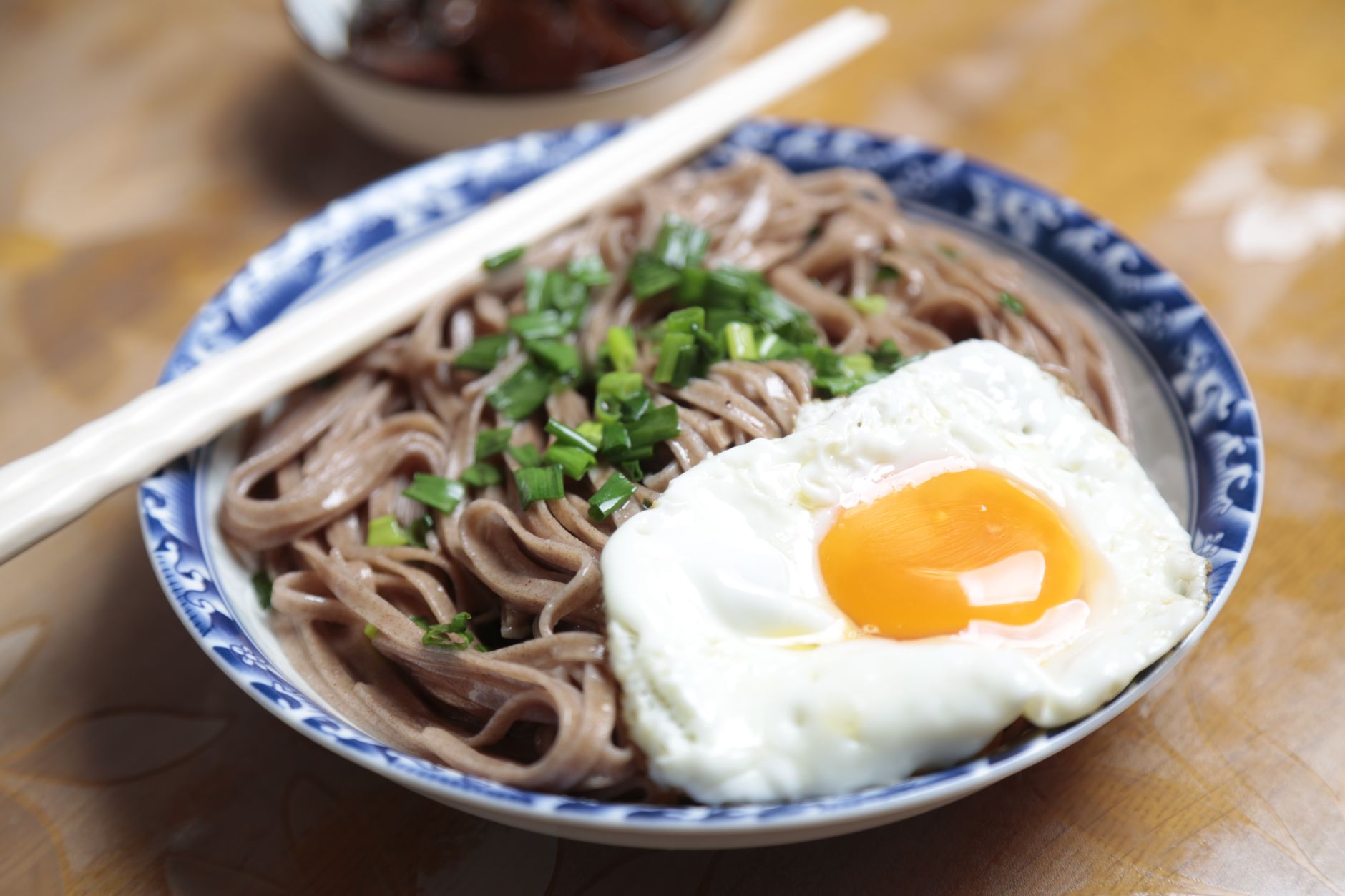
Yakisoba Recipe: Cook Authentic Japanese Street Stall Style
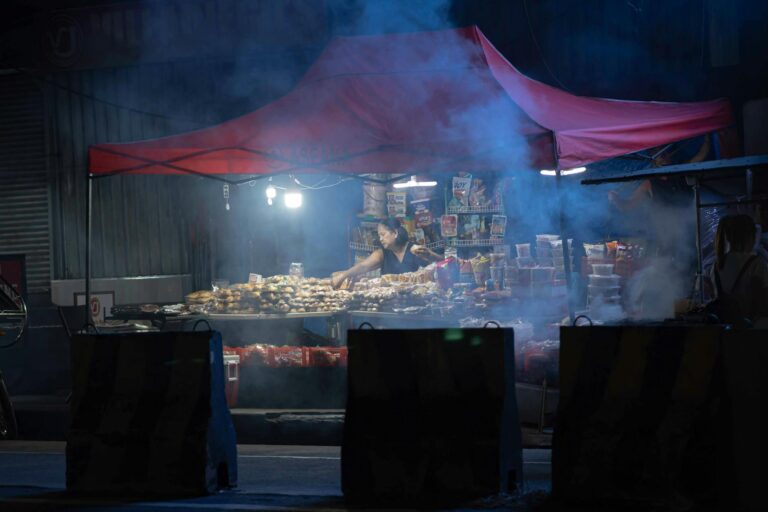
The first thing you notice at any Osaka yakisoba stall is the smell—smoky noodles hitting a scorching griddle, sweet-savory sauce bubbling up, bonito flakes fluttering in the heat. Crowds pack shoulder-to-shoulder around vendors flipping noodles with practiced ease. That’s the real deal you’re aiming for at home. Not some half-hearted imitation.
Get Your Ingredients Right—No Substitutions
Most home cooks mess up here. Generic soy sauce and random noodles won’t cut it. A Hiroshima vendor once refused to cook for me until I brought proper Kikkoman soy sauce and fresh ramen noodles from his preferred shop.
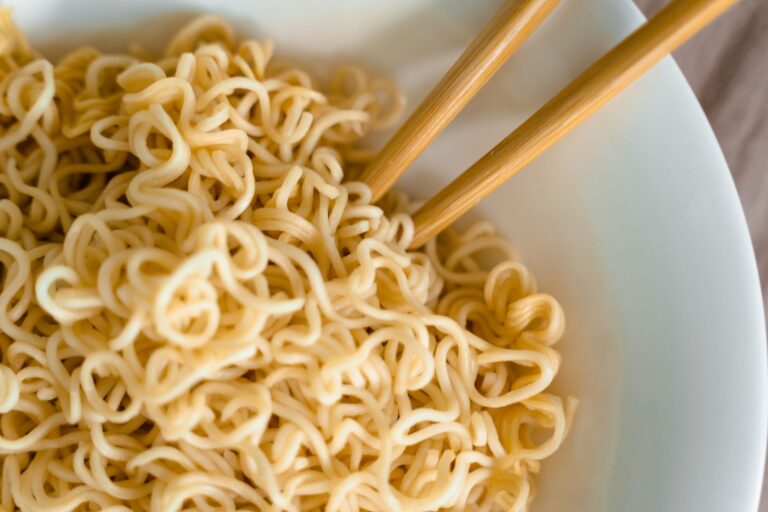
Here’s what you actually need: fresh or frozen ramen noodles (dried ones snap like twigs), legit yakisoba sauce (Otafuku or Kenko work), Kikkoman soy sauce, mirin, high-smoke-point oil, and bonito flakes that aren’t stale. Noodles make or break it—fresh ones hold up better. Hit up an Asian market. For toppings: Japanese mayo (Kewpie), aonori seaweed powder, and bonito flakes that actually move when you breathe on them. Flat, lifeless flakes? Toss ’em.
Master the High-Heat Technique on Your Home Stove
Yakisoba success comes down to two things: blistering heat and speed. Use cast iron or carbon steel—non-stick pans just disappoint. Wait until it’s smoking hot. Seriously. The char isn’t optional.
Break up clumped noodles into the screaming-hot pan with a drizzle of oil. Leave them untouched for two minutes to develop crust. Then flip and chop with two spatulas for another minute. Toss in thin-sliced pork belly or chicken—keep that heat cranked. Push everything aside, add shredded cabbage, carrots, onions, and let them sear for 30 seconds before mixing. Dump in about three tablespoons of sauce per serving and toss like mad for 45 seconds max. Done right, the whole process takes six minutes flat. Dragging it out ruins everything.
Finish Like a Professional—Toppings Are Structure
Toppings aren’t just garnish—they’re essential. You’ll want aonori powder, lively bonito flakes, Japanese mayo (zigzagged on top), pickled ginger, maybe a soft-boiled egg. Some places throw in takoyaki bits or tempura scraps.
Slather on mayo while noodles are piping hot—it gets tacky and clings better. Pile on the aonori without hesitation. Layer bonito flakes last—they’ll dance from the steam, which isn’t just for show: it slightly firms their texture. A crack of black pepper, maybe lemon if you like tang. Saw one Okayama vendor crown his with a raw egg yolk you stir in as you eat. Optional but decadent.
The trick isn’t fancy ingredients or complicated moves. It’s respecting the heat, using fresh noodles, and not overcomplicating things. Cook it fast, cook it hot, use the right stuff. That’s how you nail authentic yakisoba at home.