Tokyo
Tokyo Bangkok
 Seoul
Seoul Singapore
How Indian Spices Rewrote World History and Your Dinner

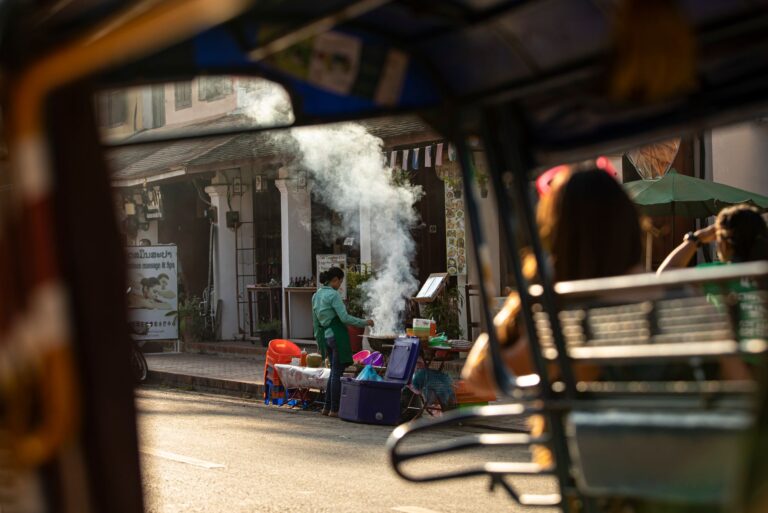
The moment you step into Kala Ghoda Market in Fort Kochi, the air punches you with spice—not the tame supermarket kind, but something wild and untamed. Turmeric dust floats thick as morning mist. Vendors, shirts stuck to their backs, scoop cardamom and cinnamon into burlap sacks while arguing over prices set before your parents were born. This is where the spice trade still feels alive, where you grasp why people once risked everything for bark and seeds.
The Spice That Redrew the World
In medieval Europe, pepper wasn’t fancy—it was cash. A month’s wages for a single pound. When Vasco da Gama rounded the Cape of Good Hope, he wasn’t exploring. He was after Kerala’s pepper monopoly. Empires didn’t come for India’s cotton first. They came for its pepper, cloves, cardamom. The Dutch Palace in Fort Kochi? Just a fancy warehouse built to guard shipments. This isn’t poetic metaphor. It’s hard economics. One flavor changed borders, sparked wars, built fortunes. All because food spoiled and meat tasted bland.
Why Spices Lose Their Soul Overseas
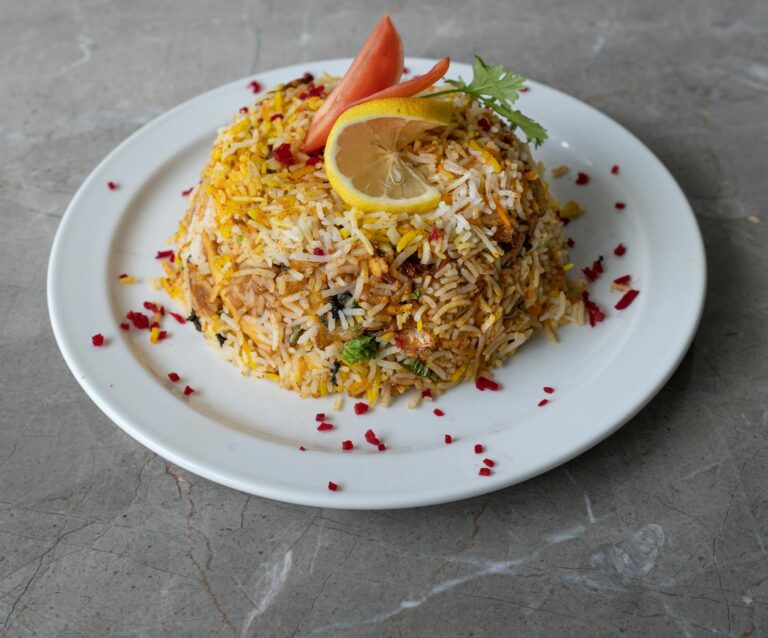
Compare Cochin’s spice stalls to London’s. Cardamom pods here burst with oil; there, they crumble to dust. That gap explains everything. Indian spices didn’t just season food—they rewrote recipes worldwide. Chili peppers from the Americas landed in India and became essential overnight. Try picturing biryani without them. Meanwhile, Europe used cloves as toothache drugs before aspirin existed. Turmeric traveled from Ayurvedic medicine to pharmacy shelves. Every sack of spice carried more than flavor—it held survival tactics, healing tricks, new ways to live.
The Tiny Steel Box That Conquered Kitchens
A masala dabba—that round, tiered spice tin—isn’t just storage. It’s a masterclass in global eating. Cumin, fenugreek, asafoetida: this combo sailed everywhere. British colonizers mashed it into curry powder, creating Anglo-Indian food. That’s why your chicken tikka masala tastes nothing like Chennai’s. Today, when you toss turmeric into smoothies or buy pre-mixed garam masala, you’re tapping into a 500-year-old machine. The difference? We’ve forgotten these were once worth fleets and bloodshed. Now they’re just Tuesday night dinner helpers.
Here’s the trick: skip the supermarket aisle. Find a seller who sources direct. Crush a clove between your fingers. That scent hitting your nose? That’s the real history lesson.