Tokyo
Tokyo Bangkok
 Seoul
Seoul Singapore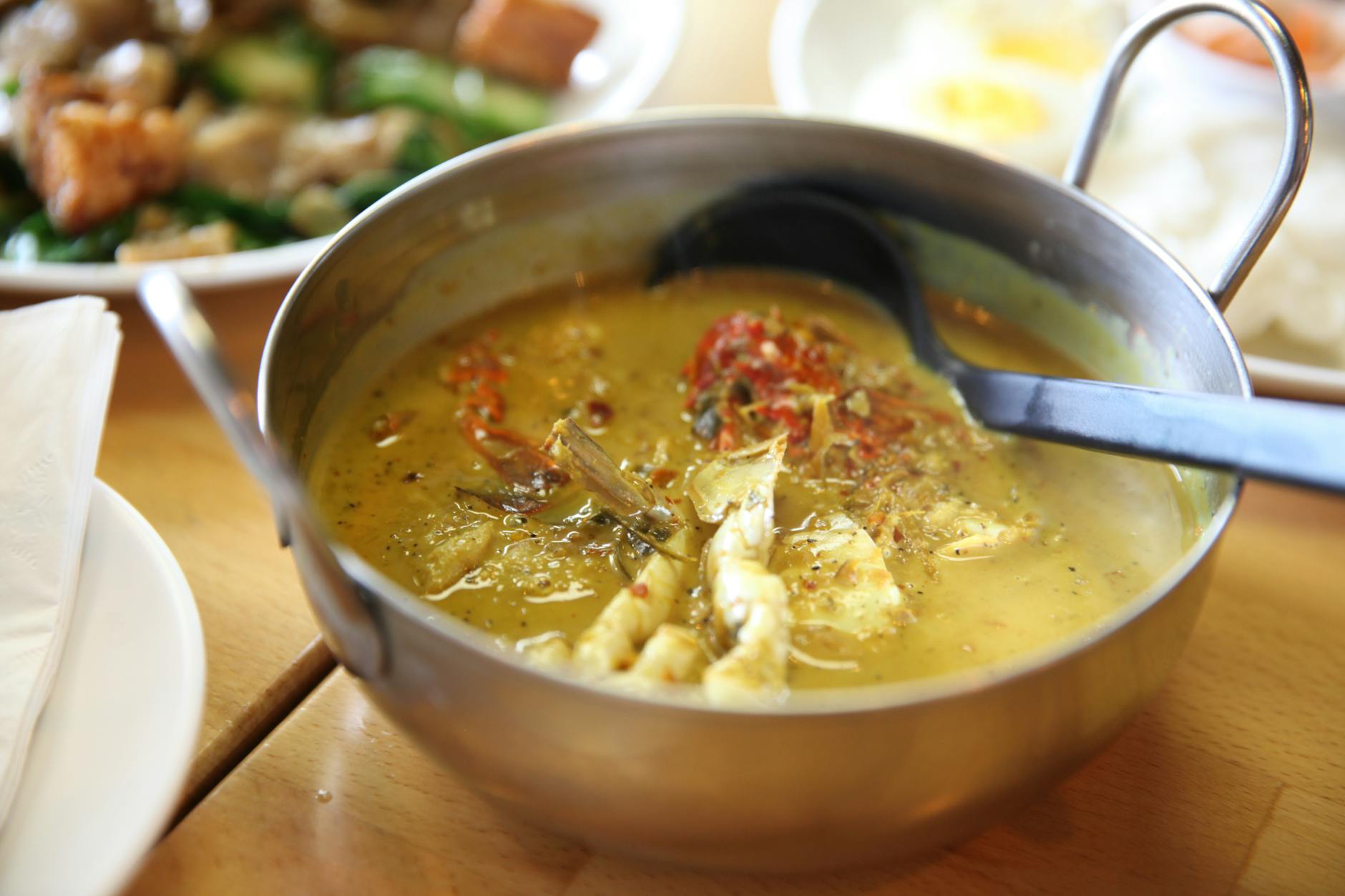
Thai Royal Cuisine: How Palace Kitchens Shaped Restaurant Menus
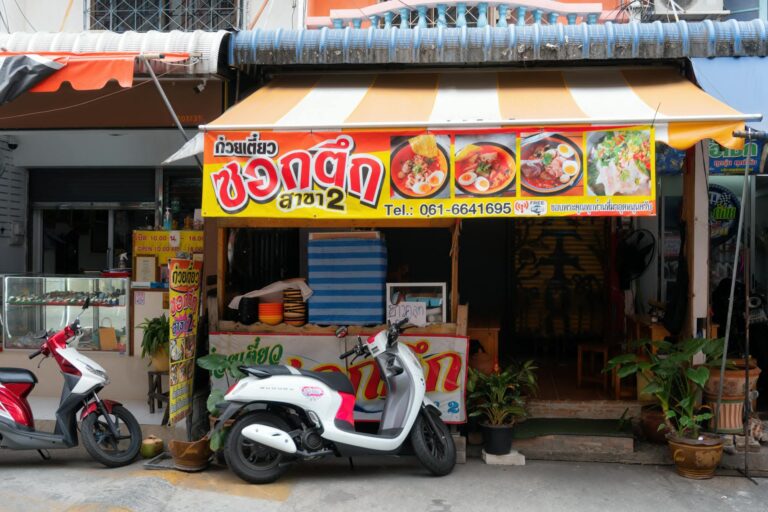
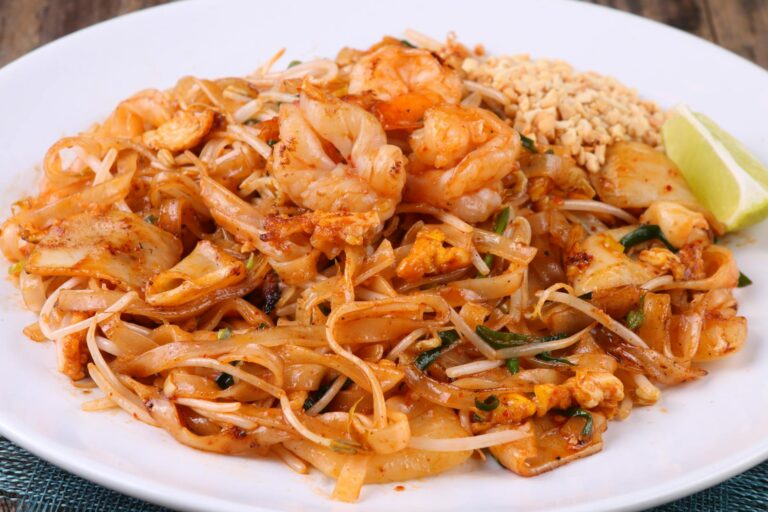
Bangkok kids like me never ordered pad thai at restaurants. We grabbed it from street stalls when rushing between school and work. The dishes we actually sat down for—the important ones—came from royal court chefs who defined Thai cooking techniques. That legacy still shapes every Thai restaurant menu worldwide, whether customers notice or not.
The Palace Kitchen’s Rules Still Govern How Dishes Get Built
Royal Thai cuisine wasn’t about feeding masses. Precision mattered. The Grand Palace kitchens created strict rules: exact vegetable cuts, precise timing for ingredients, clear flavor hierarchies. These weren’t suggestions—they became the standards professional Thai chefs still follow today.
Take fish sauce in red curry. Palace kitchens didn’t just make it salty. They used it to highlight galangal, chilies, and coconut milk separately while keeping everything cohesive. Every Thai chef—from Chiang Mai to Melbourne—follows this flavor system born in royal courts. Ingredients have roles. Respecting that makes cooking, not just mixing.
Dishes That Were Palace Exclusives Now Appear on Regular Menus
Some dishes stayed in palace kitchens for generations. Sour curry with fish and turmeric required rare ingredients and skills only royal cooks possessed. Same with certain larb and herb rice variations. Regular restaurants couldn’t make them.
Then everything changed in the 1950s. Palace chefs started restaurants in Bangkok’s Silom and Sukhumvit areas, bringing royal recipes with them. Suddenly, once-exclusive dishes appeared on everyday menus. That gaeng som you order in Chicago or London? It’s there because palace cooks shared their secrets. Good restaurants still follow their exact methods.
The Flavor Balance Philosophy Became the Foundation of Thai Restaurant Cooking
Royal kitchens did something revolutionary—they systematized Thai flavors. Sweet, salty, sour, and spicy shouldn’t just balance. They should argue, then make up. A great Thai dish leaves you slightly unsettled before pulling everything together.
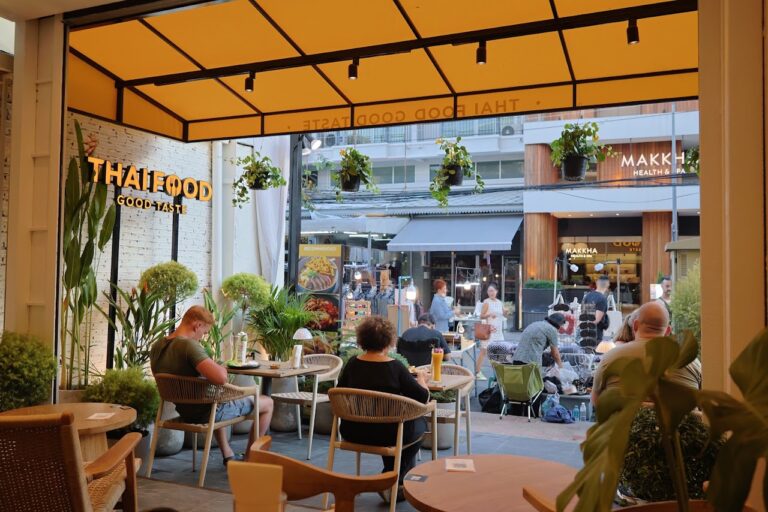
This thinking now drives Thai restaurants globally. Whether in Perth or Dublin, chefs build curries using principles from those palace kitchens. The best spots—where locals eat—stick to this framework. Their curries work because every flavor has purpose, not just complexity. That’s the royal kitchen legacy.
Next time you scan a Thai menu, don’t just see dishes. See a system—techniques and flavor relationships perfected in palaces, now taught in professional kitchens worldwide. When your meal tastes just right, you’re tasting centuries of royal culinary wisdom, adapted but never diluted.