Tokyo
Tokyo Bangkok
 Seoul
Seoul Singapore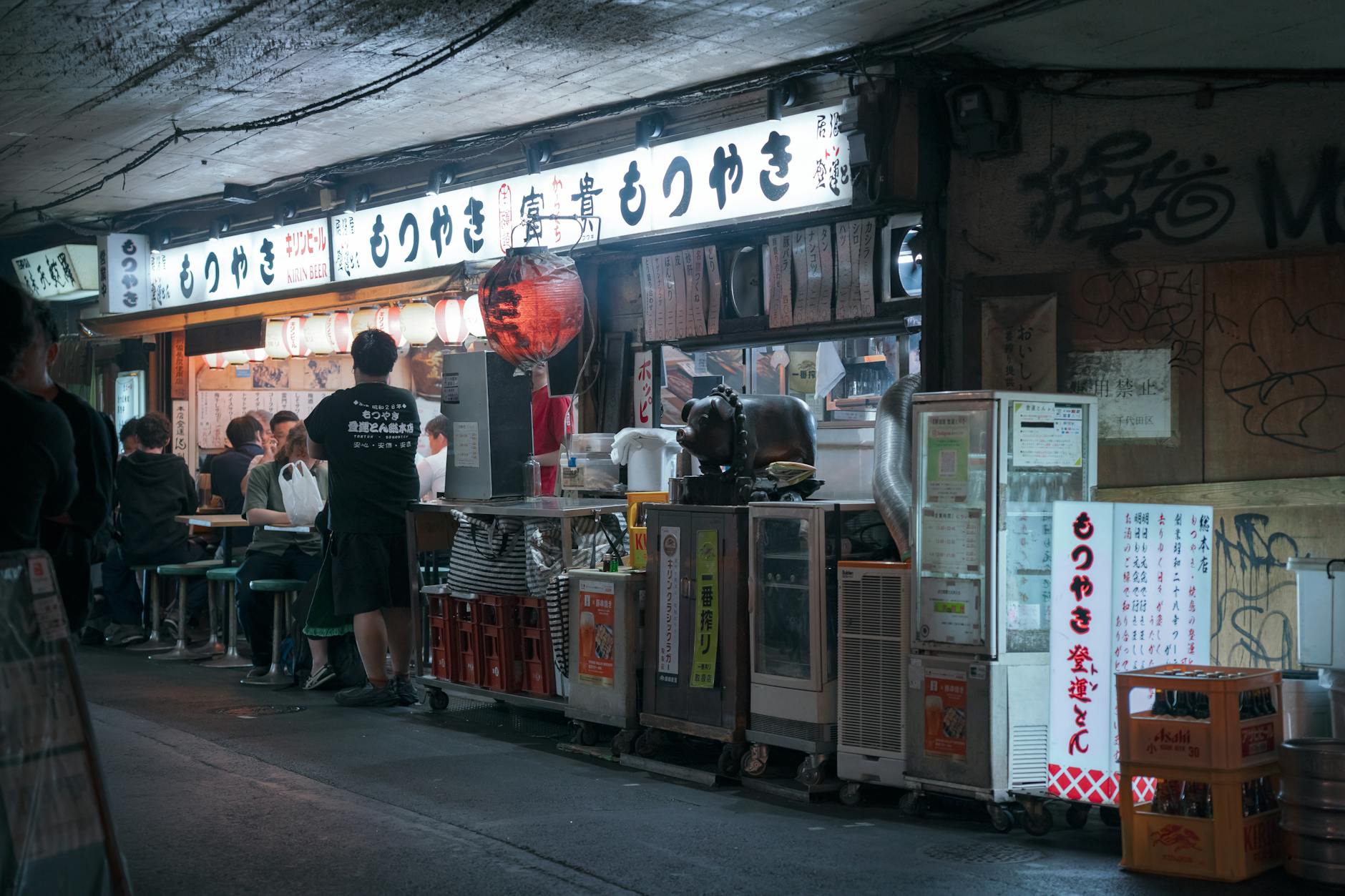
The Definitive Tokyo Food Guide: What Google Maps, Reddit & TikTok Actually Agree On
Tokyo’s food scene is a paradox: it’s the most reviewed, most photographed, yet least understood dining destination in the world. The gap between what algorithms suggest and what actually delivers has never been wider.
What Google Maps Ratings Actually Tell You About Tokyo Food
Tokyo has more 4.5+ star restaurants on Google Maps than any other city on the planet. That’s not a compliment—it’s a red flag.
When every tonkatsu counter and ramen stall averages 4.7 stars, the rating system becomes meaningless noise. What Google Maps does show, though, is *volume*. The restaurants that consistently top search results—Ichiran Ramen in Shinjuku, Gonpachi in Nishi-Azabu, Sukiyabashi Jiro in Ginza—share one thing: they’ve nailed both quality and consistency. These aren’t the best meals in Tokyo. They’re the most reliably good ones, served the same way hundreds of times a week.
The real insight in Google Maps data comes from spotting what locals and repeat visitors review in bulk. Tsukiji Outer Market stalls—especially the sushi spots near the main street and side alleys—hold 4.6+ stars across dozens of reviews because the fish is undeniably fresh and the process is transparent. You watch your meal being prepared. The price is clear. No surprises.
On the flip side, restaurants with ratings below 4.4 in central wards like Chiyoda, Minato, and Shibuya often suffer from a specific issue: they serve excellent food but maintain traditional customer-distance protocols. Western diners interpret this as coldness and leave three-star reviews titled “Felt Unwelcome.” These places are often worth visiting precisely because they’re less crowded with algorithm-chasers.
What Reddit Travelers Get Right (and Wrong) About Eating in Tokyo
The r/JapanTravel subreddit has developed a counterintuitive take on Tokyo dining that’s worth noting: skip the most photogenic spots.
Multiple threads from residents and repeat visitors agree on one thing—the most visible food destinations (Shibuya Crossing restaurants, Instagram-famous ramen shops in Harajuku, tower restaurants in Shinjuku) are technically food, but not necessarily *meals*. One highly upvoted post from a long-term resident pointed out that tourists often spend ¥3,000-5,000 per person for a 45-minute “destination restaurant” experience when ¥1,200-2,000 at an unmarked soba counter in a basement would offer better nourishment and authenticity.
They’re right. There’s a tier of Tokyo restaurants—often in Roppongi, sometimes in central Shinjuku—that have shifted their operations specifically for international tourists. Menus are tweaked. Portions are larger. Service scripts are adjusted. The food is competent but engineered. Reddit regulars who’ve lived in or frequently visited Tokyo flag these immediately.
But r/JapanTravel posters often overcorrect. There’s a recurring sermon about “authentic local spots,” followed by recommendations for ramen chains like Ippudo or Tonkotsu Ramen Yokocho—excellent, but not obscure. These suggestions often come from travelers who spent 48 hours in Tokyo and are extrapolating from a single meal. The authenticity gatekeeping, while well-meaning, often just becomes performative anti-tourism.
What Reddit nails: practical warnings. Multiple posts correctly point out that certain tourist-heavy areas have declined in dining quality because they’ve become tourist-centric. The advice to avoid the Shibuya/Shinjuku/Harajuku corridor during peak hours (11am-1pm, 5pm-8pm) is solid. Not because the food is bad, but because you’ll spend 40% of your meal waiting and 60% eating while standing.
The Tokyo Dishes Worth the TikTok Hype (and the Ones That Aren’t)
TikTok’s influence on Tokyo’s food scene is undeniable. Some dishes have been algorithmically boosted far beyond their actual significance in Tokyo food culture.
The “fluffy” Japanese pancake trend—where stacks of ultra-light, jiggly pancakes are set on fire and drizzled with condensed milk—has spawned thousands of videos and restaurant queues of 90+ minutes. The reality? These are desserts, enjoyable but no more essential to Tokyo eating than cronuts are to Paris. They’re optimized for video (the wobble, the flame, the reveal of the runny center). The actual eating experience lasts about 90 seconds.
Similarly, videos of conveyor belt sushi (kaiten-zushi) create the false impression that this is the go-to, authentic sushi experience in Tokyo. It’s partly true—conveyor belt sushi is everywhere and affordable (¥2,000-4,000 per person)—but TikTok videos leave out the context that it’s to omakase what chain hotels are to ryokan. It serves a purpose. It’s not the pinnacle.
What TikTok has actually gotten right, almost by accident: tonkatsu (breaded, fried pork cutlet). Videos of the golden crust, the knife slicing through to reveal the tender center, the dipping in sauce or salt—they’ve driven traffic to legit tonkatsu specialists like Tonki in Meguro (established 1939, no reservations, cash only, counter seating). The hype is deserved. The dish photographs well because it *is* striking, but it’s also fundamentally delicious—crispy shell, tender meat, ¥1,200-1,800 for a full meal with rice, soup, and pickles.
The Tokyo Food Intelligence: Where to Actually Eat
Tsukiji and Toyosu (Seafood, ¥1,500-3,500): Most Tsukiji Outer Market operations moved to Toyosu in 2018, a fact many guides miss. Toyosu Market has 100+ food stalls and vendors. Go early (7am-9am). The sushi isn’t marketed like destination-restaurant sushi, but it’s fresher and half the price. Stalls with consistent lines and visible knife skills are reliable. Budget ¥2,000-2,500 for sushi breakfast. This isn’t a tourist experience. It’s how Tokyo workers start their day.
Ginza (Fine Dining & Traditional, ¥8,000-25,000+): Sukiyabashi Jiro (omakase only, 20 seats, ¥30,000) gets the Google Maps attention, but it’s often booked 3+ months ahead. More accessible options in the same ward: Sushi Yoshitake (¥15,000-18,000, requires a Japanese phone number for reservations—use a hotel concierge) and Kanetanaka (¥12,000-14,000 for lunch, traditional counter format). These serve seasonal fish with the same precision as Jiro at half the wait. Ginza also has standing soba spots like Daikokuya (established 1916), where a full meal costs ¥900-1,200.
Shinjuku (Variety, ¥1,000-6,000): The ward has a bad rap among tourists, but it hides excellent neighborhood spots. Omoide Yokocho (Memory Lane) is a narrow alley of yakitori (grilled chicken skewer) stalls. Expect to stand, limited English, and high quality across the board. Budget ¥2,500-4,000 for 8-10 skewers and beer. The places with the shortest menus and oldest equipment are best. Ichiran Ramen is here and it’s good—¥900 per bowl—but Omoide Yokocho is the real local experience.
Shibuya (Modern Japanese, ¥2,000-5,000): Skip the tower restaurants. Instead: Omotesando (parallel to Shibuya’s main shopping strip) has dozens of small restaurants most tourists overlook. Nabezo (hot pot, ¥3,000-4,500) is consistent and packed with locals in winter. Gonpachi (izakaya with an extensive menu, ¥4,000-6,000) has multiple locations, but the Nishi-Azabu branch feels like a neighborhood spot despite its 4.7-star ratings.
Harajuku (Casual/Fast, ¥800-2,500): Meiji-dori is packed with tourist-optimized restaurants. The parallel streets (Omotesando and Cat Street) have legit neighborhood spots invisible to algorithm searches. Maisen (tonkatsu, established 1965) is here, ¥1,500-2,200, and serves what many consider Tokyo’s best version. Crepes on Takeshita-dori are genuinely popular with young people, but they’re dessert, not a meal. They’re also ¥500-800 and genuinely good—just plan accordingly.
Asakusa (Traditional, ¥1,200-3,500): The temple and surrounding streets are thick with tourists. The food is good precisely *because* it serves constant foot traffic—consistency is enforced by volume. Nakamise Street (the shopping arcade) has stalls that have been in the same spot for 50+ years. Ningyo-yaki (doll-shaped pastry), tempura, soba—all executed to institutional standards. Arrive at 7am-8am before the crowds or after 7pm when day-trippers are gone. Same food, 75% fewer people.
Ramen Properly Contextualized (¥800-1,200): Ramen is a part of Tokyo food culture, not its foundation. There are 6,000+ ramen shops in Tokyo. Ichiran, Tonkotsu Ramen Yokocho, and Ippudo are all genuinely good. They’re also chains or heavily trafficked. If you have time: find a ramen shop with exactly four seats, run by one person, in a neighborhood you’re already visiting. The odds of it being bad are slim. The odds of it appearing in any guide are even slimmer. This is the real local experience.
What to Avoid (Actual Anti-Tourist-Trap Guidance)
The hard truth: if a Tokyo restaurant has an English menu with photos, an English-speaking staff member at the entrance, and a Google Maps rating above 4.8, it’s been optimized for tourism. That doesn’t make it bad. It makes it engineered. The line between acceptable and excellent has been blurred.
Specific warnings: robot restaurants, most rooftop bars in Shinjuku, the “sushi boats” circulating through dining halls, and most yakitori-ya in the immediate Shibuya/Shinjuku corridor with more staff than seating. These places cater to tourists because tourists are the only ones who don’t know better.
Another trap: the “hidden local spot” that’s hidden because it’s mediocre. Reddit’s enthusiasm for obscure ramen shops sometimes borders on performative. A counterintuitive truth: many of Tokyo’s best meals happen at places that are *neither* famous nor unknown—they’re moderately well-known neighborhood spots that have been operating in the same location for 20+ years. These places don’t need Google Maps rankings because locals already know them.
Concrete Recommendation: What to Do Now
Book Nabezo in Shibuya (hot pot, ¥3,500 per person). Request the lunch slot (11:30am-1pm). Arrive 10 minutes early. Wear layers—the restaurant is warm from cooking, but the entry hall is cold. Sit at the counter if available. Don’t order everything at once; try two broths, let them cook, and taste the difference. This single meal will teach you more about Tokyo’s actual food culture than three weeks of algorithm-following. The restaurant is on Google Maps. It has a 4.6-star rating. It’s been busy every day for a decade because the food is right, not because it’s marketed well.
This is Tokyo food: not rare, not secret, not undiscovered. Just reliably good, executed consistently, at a fair price. Everything else is variations on this theme.