Tokyo
Tokyo Bangkok
 Seoul
Seoul Singapore
Cha Ca: Vietnam’s Best-Kept Street Food Secret

The first thing you notice on Cha Ca Street is the smell—turmeric smoke curling from charcoal grills, tangled with fresh dill and funky shrimp paste. By 7 a.m., vendors are already stirring pots of golden broth. Watch as a cook drops chunks of snakehead fish into the bubbling liquid with a satisfying sizzle. This is cha ca, a Hanoi specialty that’s been served here for generations but remains almost unknown beyond Vietnam.
Why Cha Ca Stays Hidden While Pho Gets All the Attention
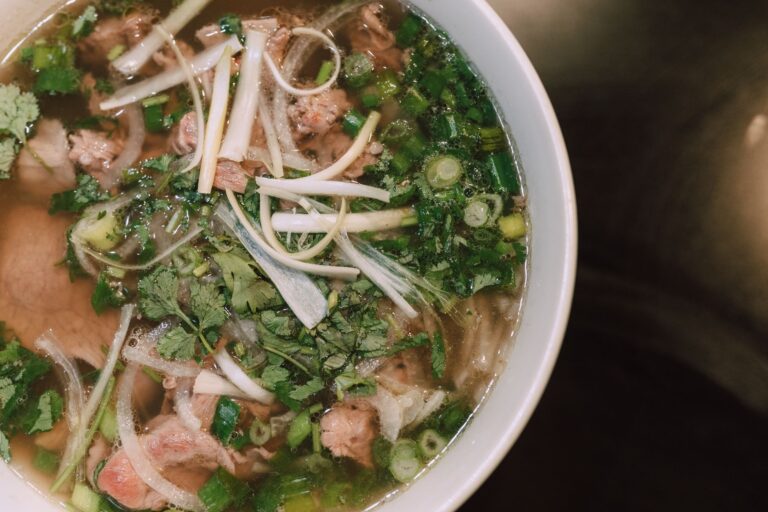
Here’s the thing: cha ca doesn’t travel well. It needs fresh ingredients, careful timing, and table-side cooking. You can’t mass-produce it. The fish must be cooked just before eating, the broth kept at the right temperature, the herbs added at the last second. Most restaurants want quick service; cha ca demands patience.
That’s what makes it special. While pho has gone global (and often gotten worse), cha ca stays true to its roots. At Cha Ca Thang Long—the most famous spot on the street—you’ll see the owner’s grandson learning the family recipe. Three generations, same location, same methods. No chains, no shortcuts, no fancy plating. Just perfect fish with dill and noodles.
The Actual Technique That Makes It Work
It starts with snakehead fish—firm, slightly sweet, and sturdy enough for long cooking. The fish gets marinated in turmeric and fish sauce before hitting the broth. Here’s the key part: you cook it yourself at the table. The vendor brings a personal pot, raw ingredients, and herbs—you control the heat.
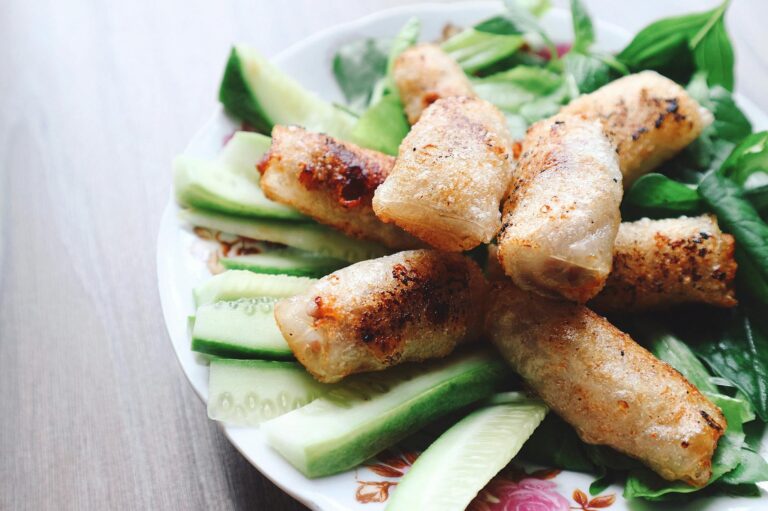
Add handfuls of fresh dill, green onions, and crispy shallots. Then the secret weapon: mam tom, that funky fermented shrimp paste. Tear off fish pieces with chopsticks, dip them in the paste, wrap everything in rice paper with herbs. The turmeric adds earthiness, the dill brings freshness, and the shrimp paste delivers a salty punch that keeps you eating.
Where to Actually Find It Done Right
Cha Ca La Thang on Cha Ca Street is the classic choice—they’ve been serving nothing but this dish since 1958. Go early, around 9 a.m., when the fish is freshest. A full meal with noodles and herbs costs about $4-6. In Ho Chi Minh City, try Cha Ca Saigon on Nguyen Hue Street—good, but not quite the Hanoi original.
Outside Vietnam? Forget about it. Cha ca hasn’t really caught on abroad. But if you’re in Hanoi, skipping it would be a mistake. This is street food at its best—deeply local, technique-driven, and impossible to replicate elsewhere. Skip the touristy pho spots. Head to Cha Ca Street instead.