Tokyo
Tokyo Bangkok
 Seoul
Seoul Singapore
Dakgalbi: Korean Spicy Chicken Guide & Regional Styles
Dakgalbi hits you fast—the sizzle of chicken thighs on a hot griddle, the punch of gochujang in the air. You’ll smell it before you see it at Chuncheon’s Myeongdong stalls, where vendors chop meat with rhythmic precision. This isn’t delicate dining. It’s messy, loud, and deeply satisfying. No wonder Korea can’t get enough.
Where Dakgalbi Actually Came From
Back in 1960s Chuncheon, a restaurant owner named Park Ock-sook changed chicken forever. Instead of stewing whole birds—a luxury back then—she hacked up thighs, slathered them in gochujang, and seared them on a griddle. Genius move. By the 80s, entire streets were dedicated to the dish. Chuncheon’s Dakgalbi Street still leads the pack, though you’ll find versions everywhere from Seoul’s Hongdae to Busan’s back alleys. The core recipe? Barely changed. Thighs, spice, heat. That’s the magic.
The Regional Divide: Chuncheon vs. Seoul vs. Beyond
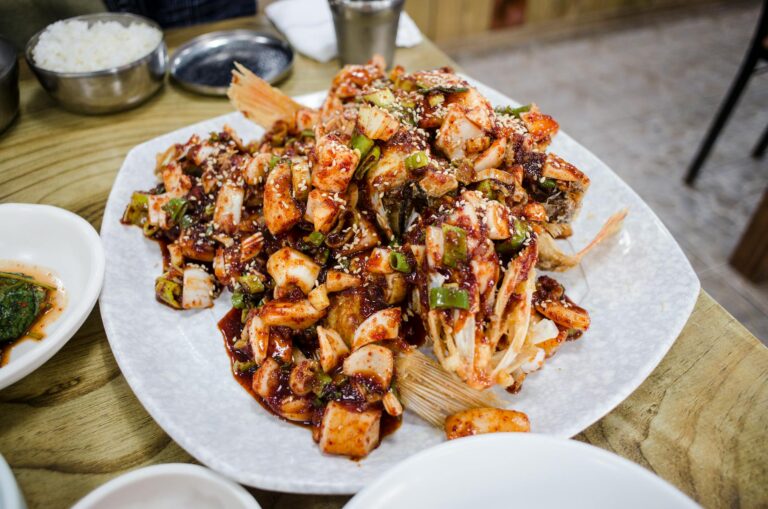
Chuncheon does it right: bone-in thighs charred hard, sauce thick enough to cling. They toss potatoes and perilla leaves straight onto the griddle—no frills. Seoul plays it safer with boneless cuts and saucier versions. (Tourists love it.) Busan throws seafood into the mix—shrimp or squid sizzling alongside chicken. Works surprisingly well. Daegu’s chicken breast version? Skip it. Thighs or nothing.
How to Eat It Like Someone Who Actually Lives There
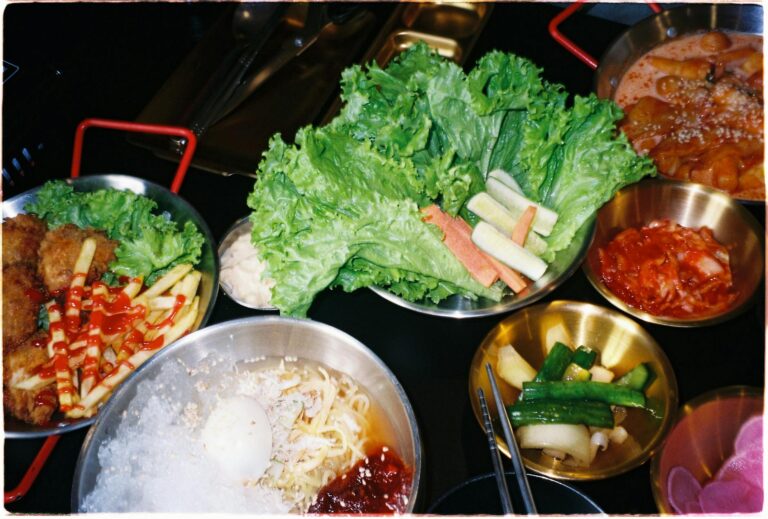
Share a portion. Always. Grab the scissors—chop the chicken on the griddle, don’t just stab at it. Wrap pieces in perilla leaves with a smear of sauce. Halfway through, get rice. Scrape up those crispy bits stuck to the griddle and mix them in. That’s the prize. Drink makgeolli or beer, not soda. Ask for extra gochugaru if you want heat; vendors won’t blink. Finish with tteokbokki or cheese tossed onto the griddle to mop up the last of the sauce. Not optional.
Friday night in Chuncheon is peak dakgalbi. Smoke, noise, a dozen griddles going at once. That’s when it clicks—you’re not just eating. You’re in the middle of something alive.