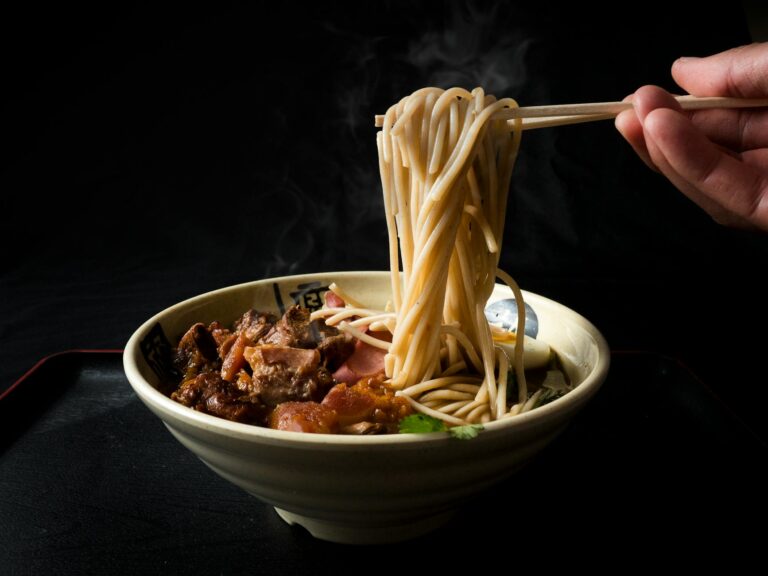
Tokyo
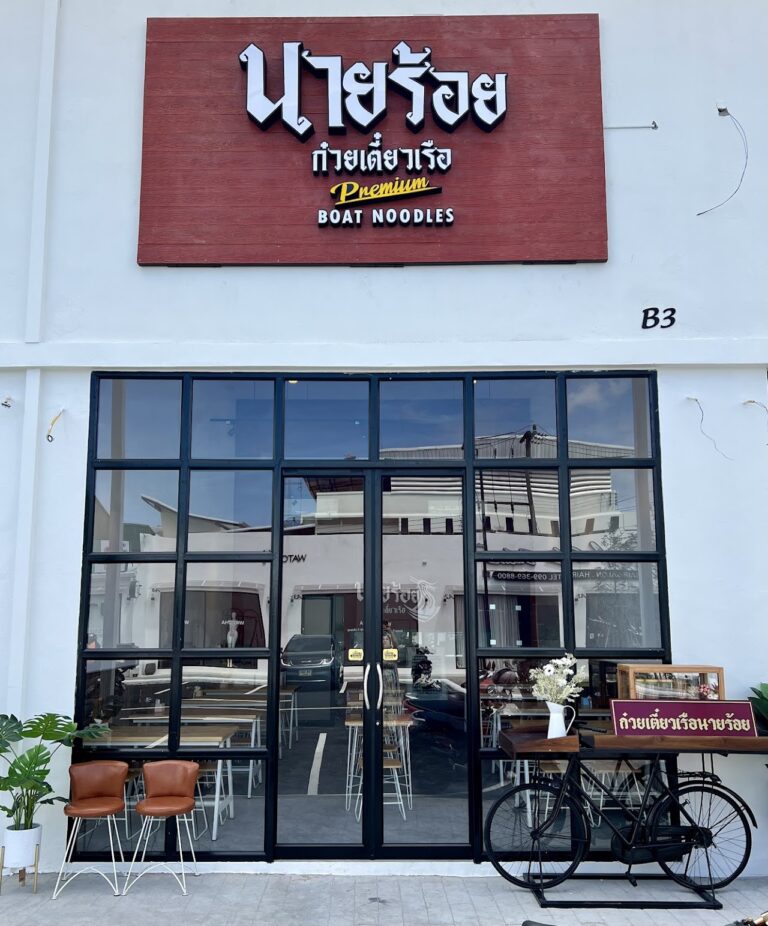
Tokyo Bangkok
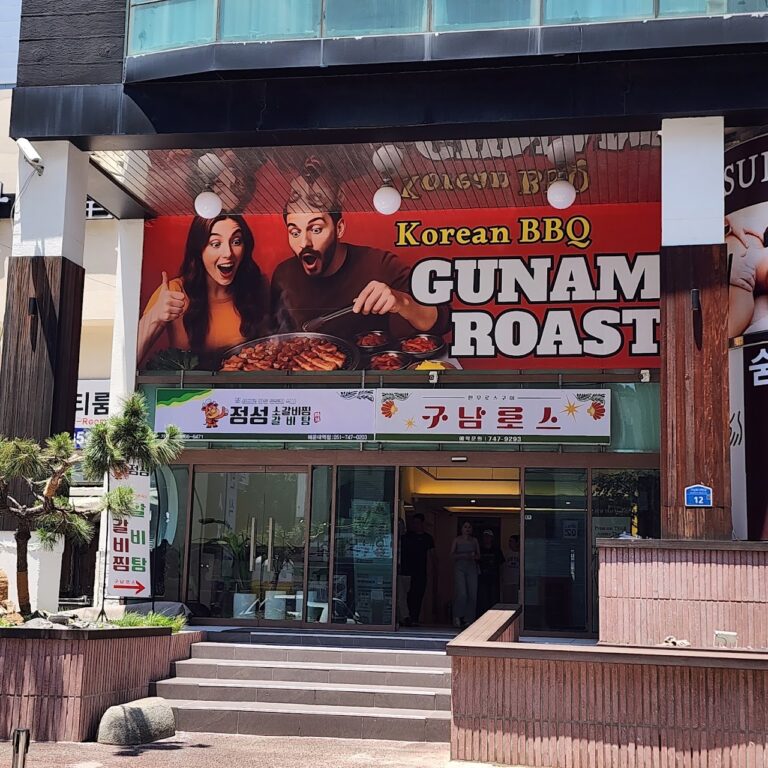
 Seoul
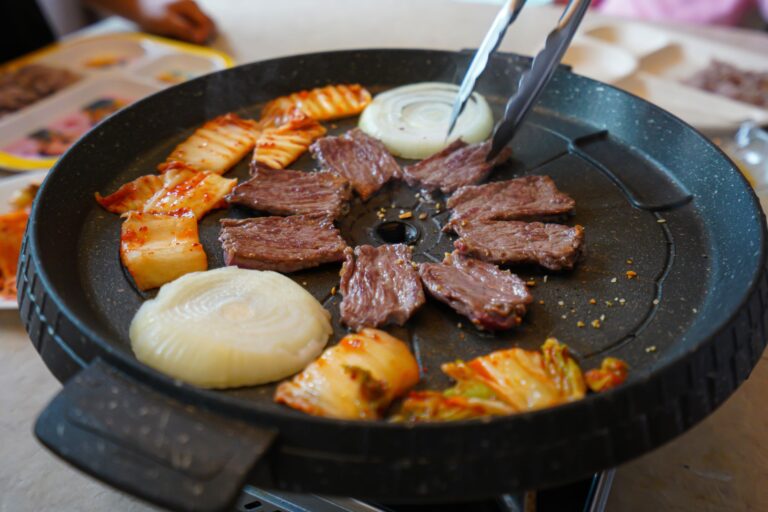
Seoul Singapore
Bun Thit Nuong: Vietnam’s Grilled Pork Noodle Bowl

At 6 a.m. in Ho Chi Minh City, neighbors grill pork shoulder over charcoal for breakfast—just an ordinary Tuesday. That’s when you realize how many Vietnamese dishes fly under the radar. Bun thit nuong isn’t fancy. It’s just a killer noodle bowl that’s been a staple for generations, no hype required.
The Bowl That Works for Every Meal
Bun thit nuong is all about balance: cool vermicelli noodles, smoky grilled pork, and a riot of fresh herbs and veggies. The formula is simple—pile noodles in a bowl, add charred pork (shoulder or belly), then surround it with lettuce, cucumber, carrots, mint, and cilantro. Finish with nuoc cham, the tangy fish sauce dressing every Vietnamese kitchen keeps on hand.
This dish bends to any schedule. Hanoi street vendors sell it at dawn for breakfast; Saigon night markets dish it out for dinner. It’s equally at home as a quick lunch or part of a feast. The magic’s in the marinade—fish sauce, sugar, garlic, shallots—and a quick sear that caramelizes the edges while keeping the meat juicy.
Why It Beats the Usual Suspects
Pho has its brothy drama. Banh mi got famous for being handheld. But bun thit nuong? It’s the workhorse of Vietnamese home cooking. No special gear needed—just a grill or hot pan. The noodles don’t demand perfect timing like pho. Prep takes 30 minutes if the pork’s marinated.
Best part? It rolls with whatever you’ve got. Swap herbs based on what’s fresh. Use rice noodles if vermicelli’s MIA. Add shrimp or tofu if you’re feeling fancy. Made it in tiny kitchens, on camping grills, even with a hotel room hot plate. The blueprint stays the same: grilled meat, cool noodles, crisp veggies, punchy dressing. The simpler you keep it, the better it tastes.
Making It at Home (It’s Easier Than You Think)
Grab pork shoulder or belly sliced thin—quarter-inch cuts work best. For the marinade, mix three tablespoons fish sauce, two tablespoons sugar, plus minced garlic and shallots. Let the pork soak up flavor for at least two hours (overnight’s ideal). When hungry, blast a skillet or grill on high and cook the pork two minutes per side until charred and done.
Boil vermicelli noodles, then shock them cold. Assemble bowls: noodles first, then pork, followed by lettuce, cucumber, carrots, and herbs. The dressing’s a mix of three tablespoons fish sauce, two tablespoons lime juice, one tablespoon sugar, and minced chili. Drizzle, toss, dig in.
Bun thit nuong won’t blow your mind. It’s not supposed to. This is real-deal everyday food—the kind that sticks around because it just works. Try it once and you’ll get why it’s lasted this long without fanfare.