Tokyo
Tokyo Bangkok
 Seoul
Seoul Singapore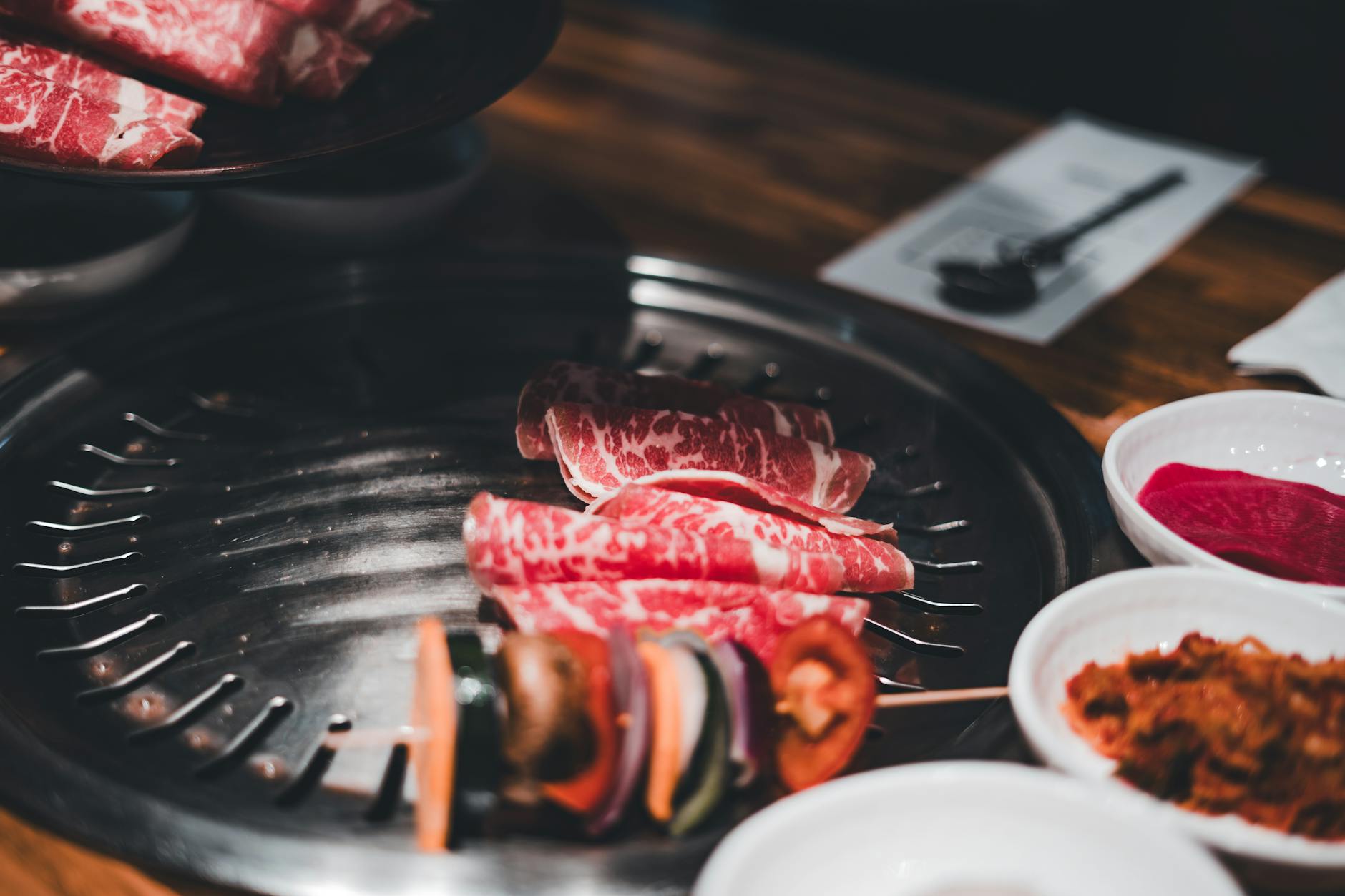
Korean BBQ Marinades: Bulgogi, Galbi & Spicy Pork
Friday night in Seoul smells like sizzling meat—office workers grabbing bulgogi after late shifts, families sharing galbi, students splitting the cost of spicy pork belly. These aren’t fancy restaurant dishes. They’re what Koreans actually cook when they want something fast, cheap, and satisfying. The secret isn’t some complicated recipe. It’s knowing how these three marinades work.
Bulgogi: The Sweet-Savory Workhorse
Every Korean home cook has bulgogi marinade memorized. For one kilogram of thinly sliced beef (chuck or brisket works), mix 6 tablespoons soy sauce, 3 tablespoons brown sugar, 2 tablespoons sesame oil, 1 tablespoon rice vinegar, 4-5 minced garlic cloves, 1 tablespoon grated pear or apple, and a teaspoon of black pepper. The fruit isn’t just for sweetness—it tenderizes tough cuts. Asian pear works best (it’s less sugary than Western varieties), but a tart apple does the job too. Mix everything, toss with the meat, and let it sit in the fridge for at least 4 hours. Overnight’s better. When it hits the grill, that soy-sugar combo caramelizes into the glossy crust you see at every BBQ joint. Sesame oil’s non-negotiable—it’s what makes bulgogi taste like bulgogi.
Galbi: The Soy-Sweetness That Demands Respect
Galbi means thin-cut short ribs, and its marinade packs more punch than bulgogi. For one kilogram of meat: 8 tablespoons soy sauce, 4 tablespoons brown sugar, 3 tablespoons sesame oil, 2 tablespoons rice wine (mirin’s fine), 6 minced garlic cloves, 1 tablespoon grated pear, 1 teaspoon ginger, and white pepper. The extra sugar and soy help the flavor penetrate the fattier meat. Marinate for 6-8 hours minimum—many Koreans prep it the night before. When done right, the edges char black while the inside stays juicy. That crispy-tender contrast? That’s galbi’s whole deal.
Spicy Pork: Heat Without Hiding the Meat
Spicy pork (dweji bulgogi) lives and dies by gochugaru—Korean chili flakes. For one kilogram of sliced pork shoulder or belly: 5 tablespoons gochugaru, 6 tablespoons soy sauce, 3 tablespoons sesame oil, 2 tablespoons brown sugar, 5 minced garlic cloves, 1 tablespoon ginger, 1 tablespoon rice vinegar, and 2 tablespoons water (helps distribute the chili evenly). Marinate 3-4 hours. It’s spicy, sure, but the heat should highlight the pork’s richness, not mask it. Weeknight staple in Korean homes—cheaper than beef, cooks faster, pairs perfectly with soju. Just don’t substitute regular chili powder. Gochugaru’s fruity kick makes the dish.
Start with bulgogi if you’re new to Korean marinades—it’s the gateway drug. Master the soy-sugar-sesame oil balance, and galbi/spicy pork will make sense. Cook them enough, and you’ll ditch the recipes. That’s when you know you’ve got it.