Tokyo
Tokyo Bangkok
 Seoul
Seoul Singapore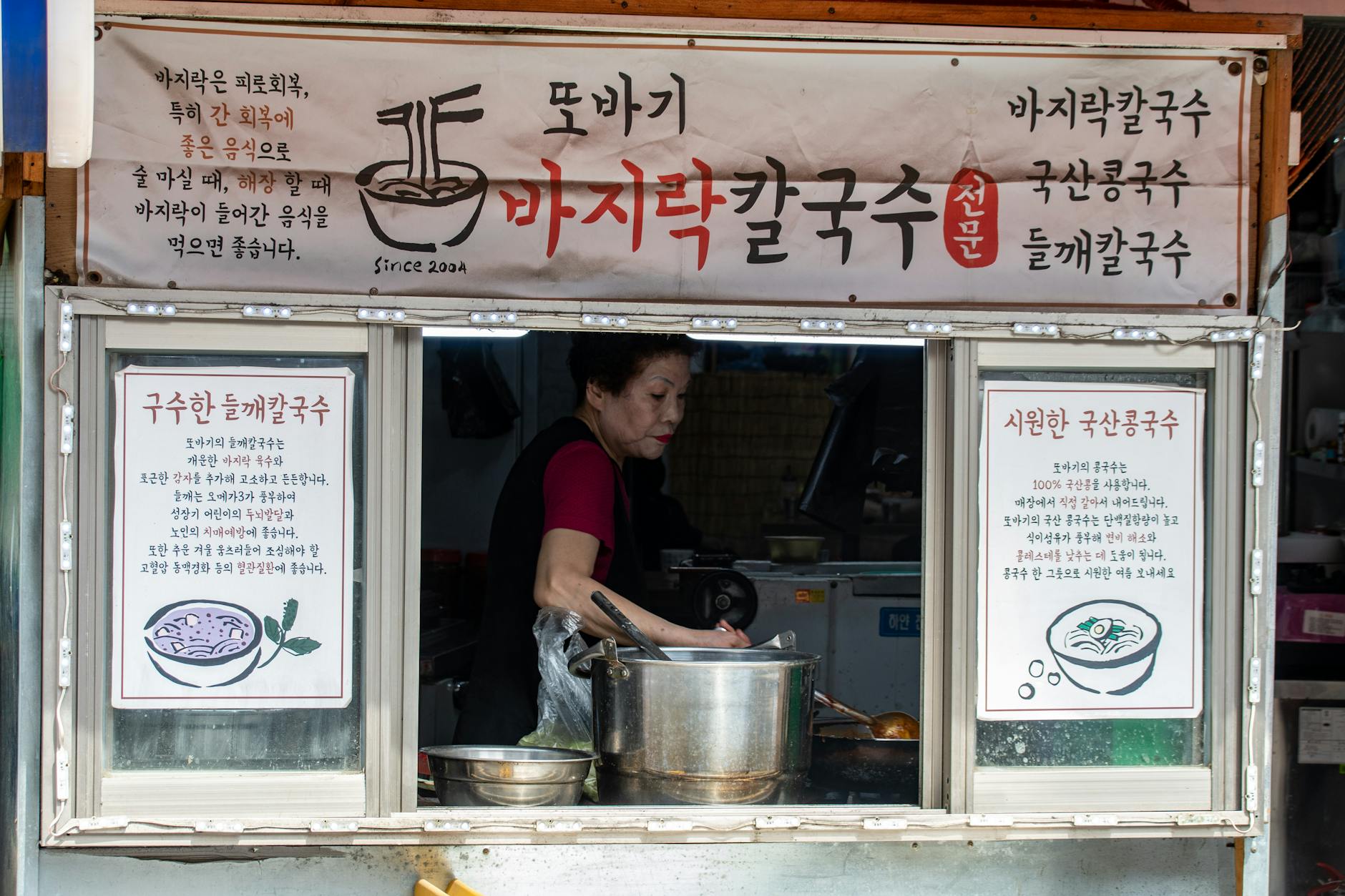
We Compared TikTok Food Videos to Google Maps Ratings in Seoul. Here’s the Truth.
Seoul’s food scene doesn’t need filters to impress, but TikTok has spent years pushing Korean BBQ sizzle shots and towering street food as the only must-eats. Meanwhile, locals are eating something else entirely.
The TikTok Version of Seoul Food
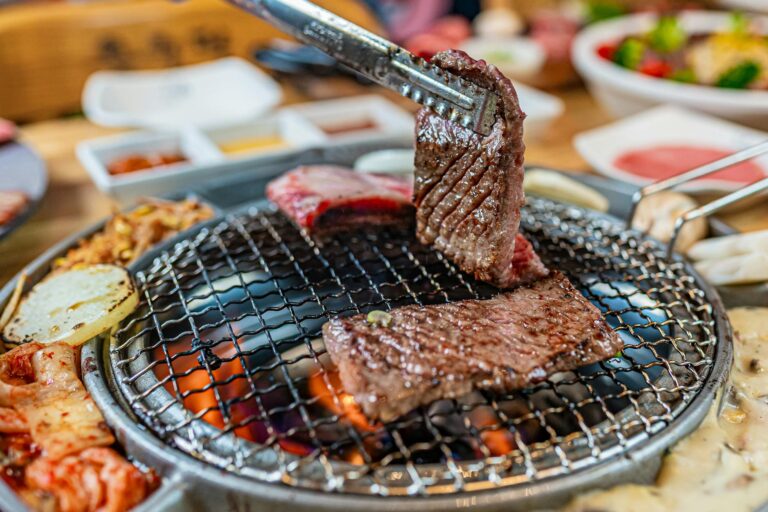
You’ve seen it a thousand times: slow-mo beef hitting a grill, that perfect cheese pull from tteokbokki, street vendors flipping kimbap like circus acts. Korean corn cheese—sweet, salty, and inexplicably viral.
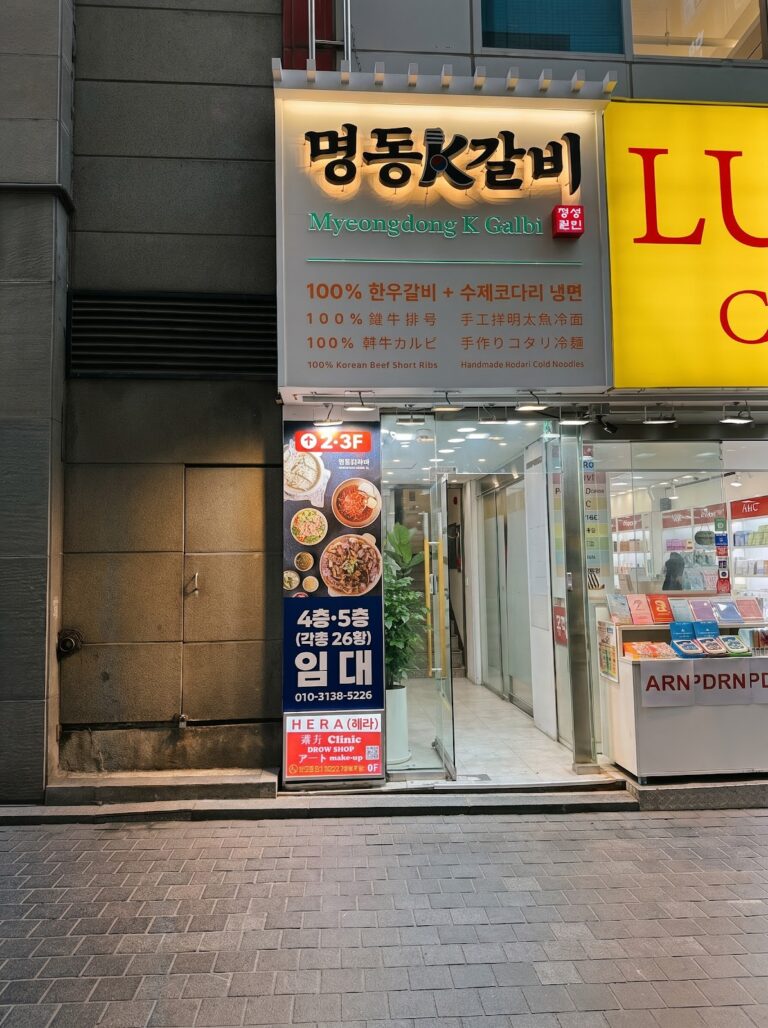
These clips rack up views because they’re built for it. Every sizzle is mic’d. Every plate is staged. And the locations? Usually the same tourist hubs—Myeongdong, Gangnam, Hongdae—where cooking for cameras matters as much as cooking for taste.
The implied promise: eat this, and you’ve had real Korean food. But real Korean food isn’t auditioning for your feed. Sometimes it’s messy. Sometimes it’s brown. Sometimes it looks like it was plated in the dark.
What the Ratings Actually Say
Google Maps paints a different picture. Seoul’s top-rated spots (4.6+ stars, thousands of reviews) are rarely TikTok famous. They’re tiny joints serving one thing perfectly: kimchi jjigae simmered for hours, pojangmacha tents slinging budae jjigae, family-run galbi jjim spots unchanged since the ’90s. Bad lighting. Zero Instagram appeal.
Here’s the kicker: viral Korean BBQ spots average 4.1-4.4 stars. Tourist-area tteokbokki stalls? Around 4.2. Meanwhile, a no-name tteokbokki shop in a residential alley holds a 4.7 with 2,000+ reviews. No hashtags. No theatrics. Just flavor.
The trend is clear: chasing virality often means sacrificing the obsessive focus on taste that earns loyal regulars. More likes, fewer five-star reviews.
Reddit’s Verdict: Where Travelers Land After the Hype
Over on r/koreatravel, posts gush about cherry blossoms and snowy palaces—but meal talk gets practical. Korean users drop blunt advice: skip tourist zones. Download Naver. Follow the lunch crowds. Notice where grandmas eat. Find the pojangmacha alleys no influencer has tagged.
What’s missing from their tips? BBQ. Tteokbokki. Corn cheese. Not because they’re bad—they’re great. But locals treat them as weekend treats, not daily staples.
The Reddit consensus: you’ll eat well in Seoul no matter what. But viral food isn’t *good* food. It’s food that looks good to people who aren’t eating it.
The Seoul Food Truth: What to Actually Order
Korean BBQ (Bulgogi/Galbi): TikTok’s not wrong—it’s amazing. Just avoid the Gangnam showstoppers. Hit a residential spot in Mapo-gu or Seodaemun-gu instead. Half the price, better meat, actual Koreans at your table. Ratings don’t lie: 4.2 at tourist traps, 4.6+ where locals go.
Tteokbokki: The viral version piles on cheese, corn, mayo—it’s a sugar bomb. Real tteokbokki is about spice, chew, and broth. Find a pojangmacha tent in a non-tourist hood. Look for the lunch line. $3-4 gets you a bowl that’ll reset your expectations.
Kimchi Jjigae: Never trends. Always slaps. Served in fluorescent-lit joints with plastic chairs. The best spots use kimchi fermented for months. Google “best kimchi jjigae Seoul” and pick any 4.7+ option with zero TikTok fame.
Miyeok Guk (Seaweed Soup): No one flies to Seoul for it. Everyone here eats it weekly. $2-3, healthy, deeply satisfying. The masters are family-run shops serving regulars for decades. Algorithms ignore them. Locals don’t.
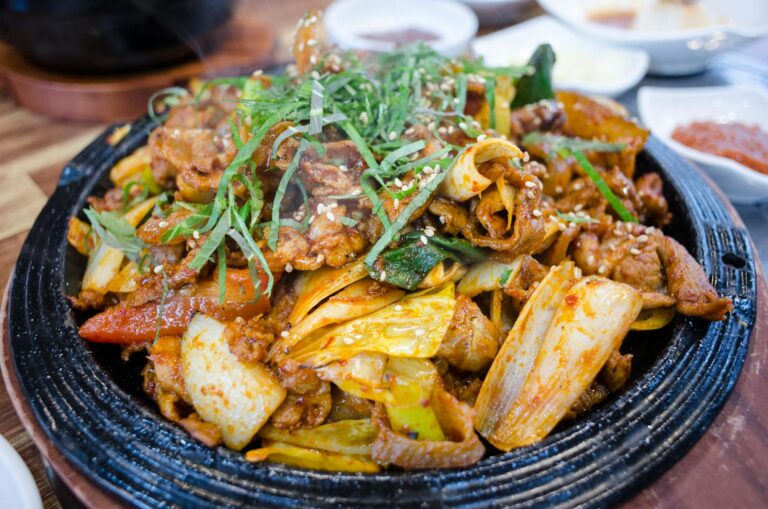
Samgyeopsal (Grilled Pork Belly): Less flashy than BBQ, more communal. Rare on TikTok, but Google Maps shows 4.5-4.7 ratings across old-school spots. It’s about the ritual, not the ’gram.
Kalguksu (Knife-Cut Noodle Soup): TikTok ghosts it. Seoul devours it. $5, served in 8 minutes, rated 4.6+ everywhere. This is how the city really eats—fast, cheap, no nonsense.
The Bottom Line
Seoul’s food rules because it cares more about flavor than flair. That’s why the highest-rated spots are often the least photogenic. Go ahead—try the viral stuff. Then wander your hotel’s neighborhood, open Naver, and eat where the locals are. That’s where the magic is: no ring lights, no edits, just greatness that doesn’t need your likes to exist.