Tokyo
Tokyo Bangkok
 Seoul
Seoul Singapore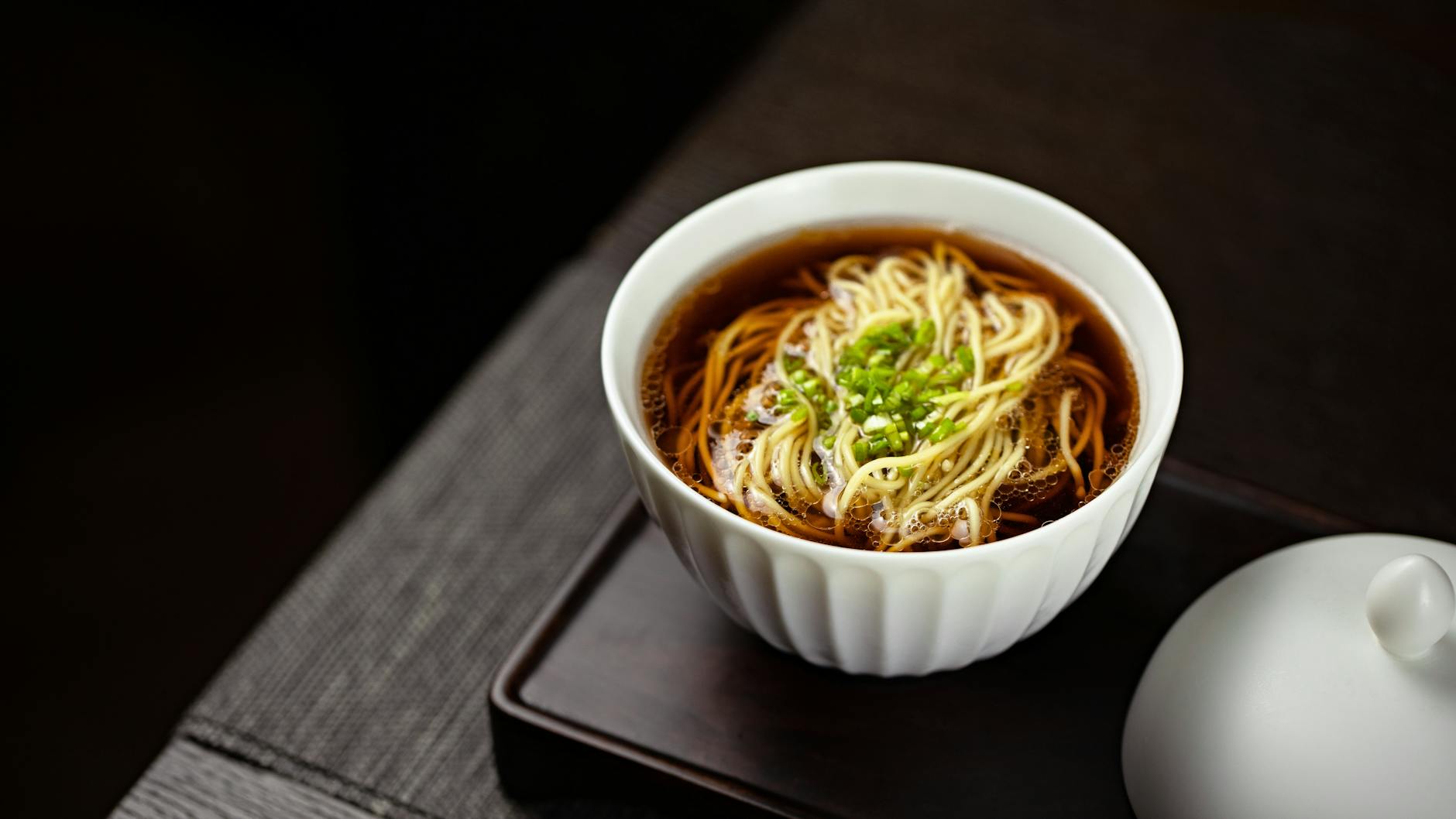
Tsukemen: Japan’s Dipping Noodle Dish Explained
Back in the 1960s, a Tokyo ramen shop owner named Kazuo Yamagishi had enough of customers whining about soggy noodles. His fix? Serve them apart. That small annoyance birthed tsukemen—now a cult favorite in Japan, but still flying under the radar elsewhere. The magic isn’t just separation. It’s about nailing every single bite.
Tsukemen Explained (And Why It’s Brilliant)
Tsukemen translates to “dipping noodles,” and the setup is simple but game-changing. You get a bowl of thick, reduced broth—usually pork, chicken, or seafood—kept piping hot. Noodles come cold on the side, often slicked with oil, piled high on a plate or bamboo mat. Grab a clump with chopsticks, dunk, eat. Simple, right? But there’s craft here. The broth packs a punch since it’s not watered down by noodle starch. Noodles need heft to survive repeated dips. And that temperature clash? Cold noodles meet scorching broth for a textural kick regular ramen can’t touch.
Regional Twists Worth Trying
Tokyo’s tsukemen leans on pork broth boosted with seafood—dried scallops, bonito flakes, kombu. Places near Tsukiji Outer Market simmer theirs for ages. Down in Fukuoka, they go heavier: tonkotsu broth, sometimes laced with chicken fat for a near-gelatinous richness. Chiba Prefecture swings seafood-heavy, with some shops tossing in truffle oil or curry powder. Noodles vary too—crinkled ones trap broth better, while straighter types offer chew. Toppings like chashu pork or soft eggs play backup. The real star? How noodles and broth collide.
Where to Score the Real Deal
Tokyo’s still the hub. Chains like Ippudo and Ichiran do decent versions, but hit Menya Musashi or Ramen Alley near Shinjuku for character. Fukuoka’s Ramen Yokocho—a cramped alley—treats tsukemen with sushi-level seriousness. Overseas, it’s catching on: London’s Bone Daddies holds up, Sydney’s Goro Ramen and Melbourne’s Ippudo deliver. New York’s Ichiran and Ippudo stick close to the script. Warning: quality swings hard. Skip places with factory-slick noodles or broth that tastes mass-produced.
If ramen’s your only reference, tsukemen’s a wake-up call. It’s not just another bowl—it’s a whole new noodle religion. Start basic (pork or seafood), then branch out. You’ll get why Japanese food nerds argue about tsukemen spots like sommeliers debate vineyards.