Tokyo
Tokyo Bangkok
 Seoul
Seoul Singapore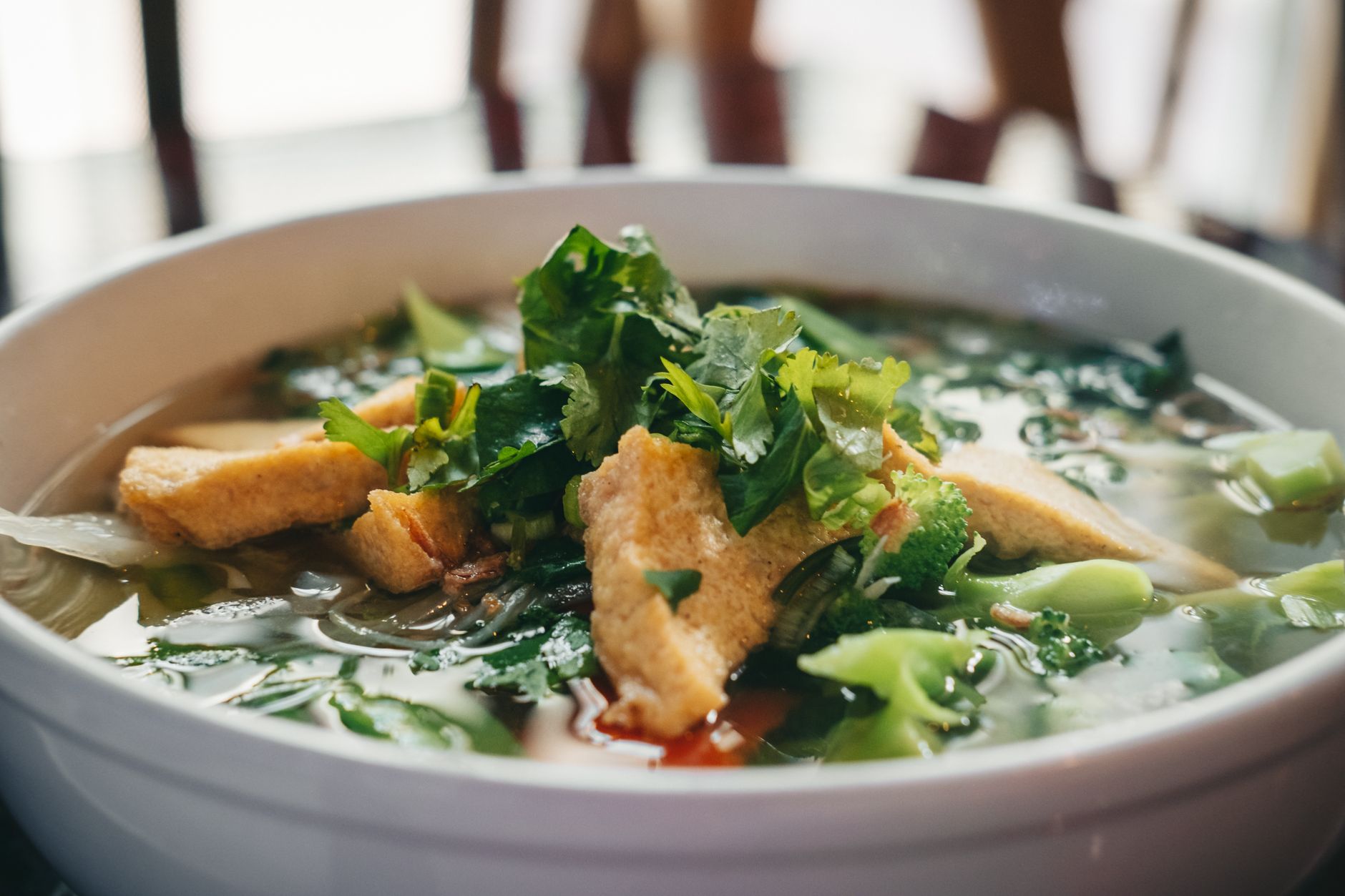
Canh Chua: Vietnam’s Sour Soup Beyond Pho

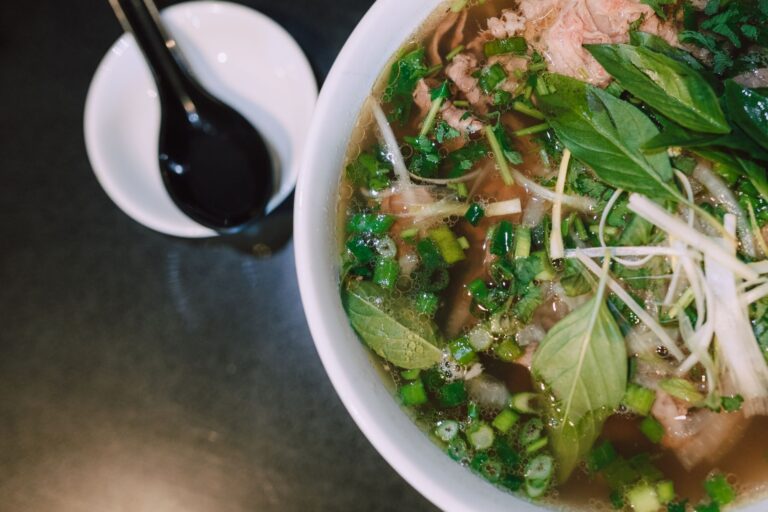
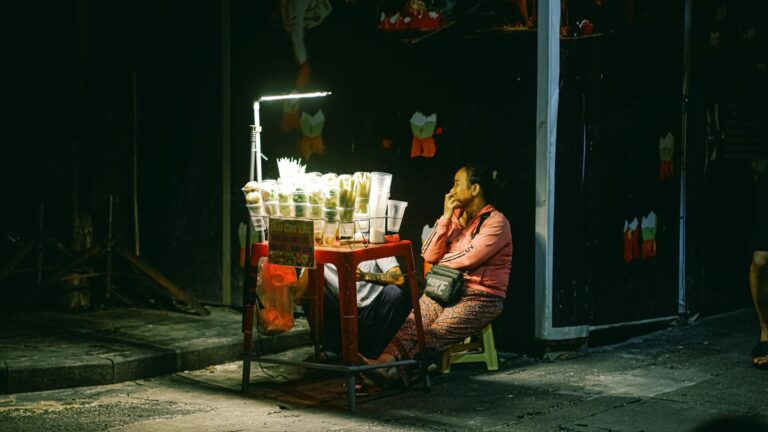
The first time I saw canh chua wasn’t at some fancy Ho Chi Minh City restaurant—it was a plastic stool setup in Binh Tay Market at dawn, where a woman in a worn-out áo dài poured brick-red broth over catfish and pineapple. The smell grabbed me first: punchy tamarind cutting through fish stock, with a weirdly perfect pineapple sweetness. That bowl rewired my whole idea of Vietnamese soup.
Why Canh Chua Still Flies Under the Radar
Vietnamese restaurants from London to New York always have pho. Banh mi shops are everywhere. But canh chua? Good luck finding it. This sour soup—hugely popular in the Mekong Delta—gets ignored overseas because it’s harder to sell. Regional, messy-looking, needs explaining. The name just means “sour soup,” which won’t trend on social media. Yet it’s more complex than pho—a tightrope walk between sour, sweet, salty and umami that takes lifetimes to nail. The real masters are market vendors who’ve made the same recipe for 30 years, tweaking tamarind and fish sauce by instinct.
How Tamarind and Fish Stock Make Magic
Canh chua’s base seems simple: tamarind paste, fish stock, time. But execution is everything. Near Can Tho’s floating market, one vendor started with catfish heads simmered for hours, then added thick tamarind paste—the gritty, concentrated kind. The sourness needs to be bold enough to balance the fish’s richness without overwhelming everything. Constant tasting, adjusting with fish sauce and sugar. Vegetables aren’t just decoration—pineapple, okra and tomatoes soak up the broth and add their own sweetness. Catfish is classic, but shrimp or snakehead fish work too. Each changes the game.
Where to Get the Real Deal (And What to Ask For)
In southern Vietnam, skip tourist areas—hit early markets or neighborhood lunch spots. Around Ho Chi Minh City’s Tan Dinh Market, stalls serve canh chua by mid-morning. In Can Tho, ask locals where to find “canh chua ca.” Go for catfish if possible, extra pineapple and okra. The okra gets gloriously slimy, drinking up all that tangy broth. Outside Vietnam, look for Mekong Delta-run restaurants—they actually know how to make it right. Some overseas spots will prepare it if you call ahead, but quality’s hit-or-miss. It should arrive steaming, packed with fish and veggies, never dull or too salty. Street vendors charge 30,000-50,000 VND (about $1.50-2.50)—cheap for something this technical.
Canh chua won’t dethrone pho globally. But if you care about Vietnamese food beyond the basics, this soup matters. Trickier than pho, less portable than banh mi, but way more interesting once you get it.