Tokyo
Tokyo Bangkok
 Seoul
Seoul Singapore
Samgyeopsal Guide: Korean Grilled Pork Belly History & Regional Styles
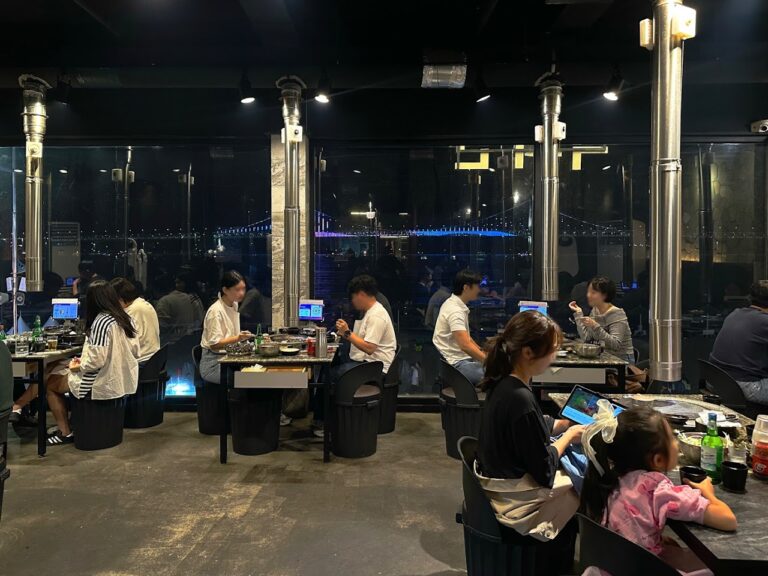
The scent of sizzling samgyeopsal at a Seoul pojangmacha after midnight hits different. Fat drips onto the grill with a rhythmic crackle while smoke swirls around groups of office workers unwinding over cheap soju. This isn’t some ancient culinary tradition—just damn good pork that’s fueled late-night cravings for generations.
From Butcher Scraps to National Obsession
Pork belly used to be the cheap cut nobody wanted. In 1960s Korea, working-class families bought it because they couldn’t afford better. Then someone threw it on a tabletop grill. Genius move. The fat crisps perfectly every time, keeping the meat juicy even if you overcook it. By the 1980s, samgyeopsal joints were popping up everywhere. Now Korea eats more pork per person than any Asian country—thanks largely to this unpretentious cut. No fancy skills needed. Just heat, meat, and timing.
The Regional Divide: Where Your Grill Matters
Drive two hours from Seoul and samgyeopsal gets a local twist. Jeonju serves it marinated in soy and pear—sweet, tangy, ready to grill. Busan swaps ssamjang for anchovy-based dips. Gwangju goes thick and spicy. Even the slices vary: Seoul prefers thin (5mm, cooks fast), while provincial spots serve thicker cuts with more crust. Grill types split opinions too. Charcoal adds flavor but makes a mess. Gas keeps things clean. You’ll find A5-grade pork for $80 in Gangnam and equally satisfying $6 portions at Daegu street stalls.
Eating Like You Know What You’re Doing
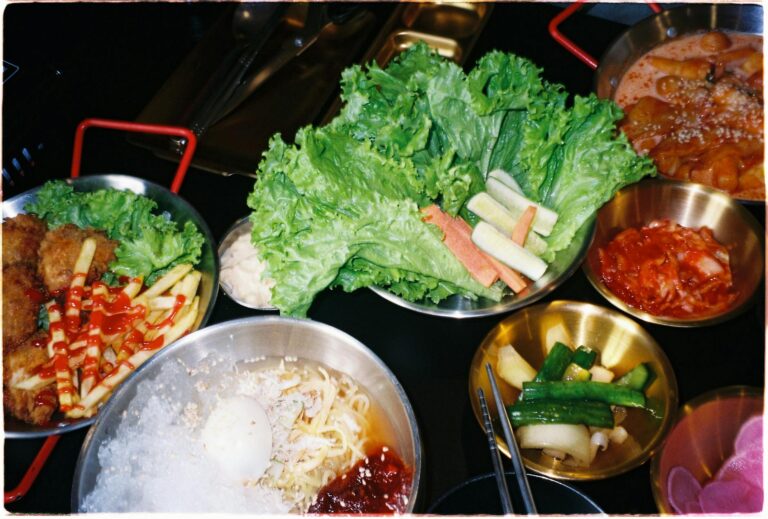
Tourists mess this up. Locals know: grill 3-4 pieces at a time, flip when edges curl. Never pre-cut the meat—it’ll dry out. Use those metal scissors after cooking. Wrap it right: perilla leaf, pork, ssamjang, maybe garlic or chili. One bite. Lettuce works too if you prefer crisp over earthy. Banchan refills never stop—kimchi, radish, spinach. Pro tip: grill raw garlic cloves for 30 seconds. Game changer. Drink soju or beer. Wine fights the flavors.
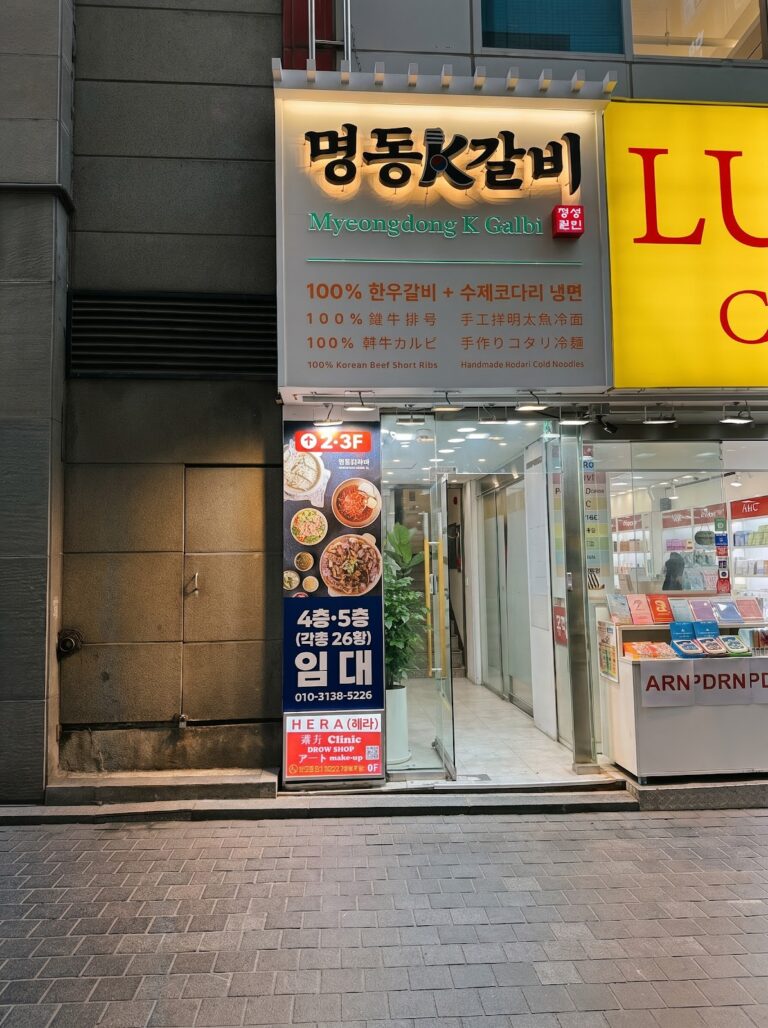
Skip Myeongdong’s tourist traps. Find a pojangmacha where the owner’s been grilling the same way since Bush was president. You’ll smell it before you see it.