Toasted vs Regular Sesame Oil: Korean & Chinese Cooking

The smell hits you first at the night markets in Seoul’s Myeongdong districtโ€”that deep, almost burnt aroma of toasted sesame oil rising from a vendor’s steel wok as he tosses spinach for a banchan side dish. It’s nothing like the pale, delicate oil you’ll encounter five hours later at a Sichuan street stall in Chengdu, where the cook drizzles something altogether different over freshly made mapo tofu. These aren’t the same ingredient. Most Western cooks don’t realize sesame oil comes in two distinct forms, and using the wrong one will sabotage your dish before it even reaches your mouth.

Why Korean Cooking Demands the Toasted Version

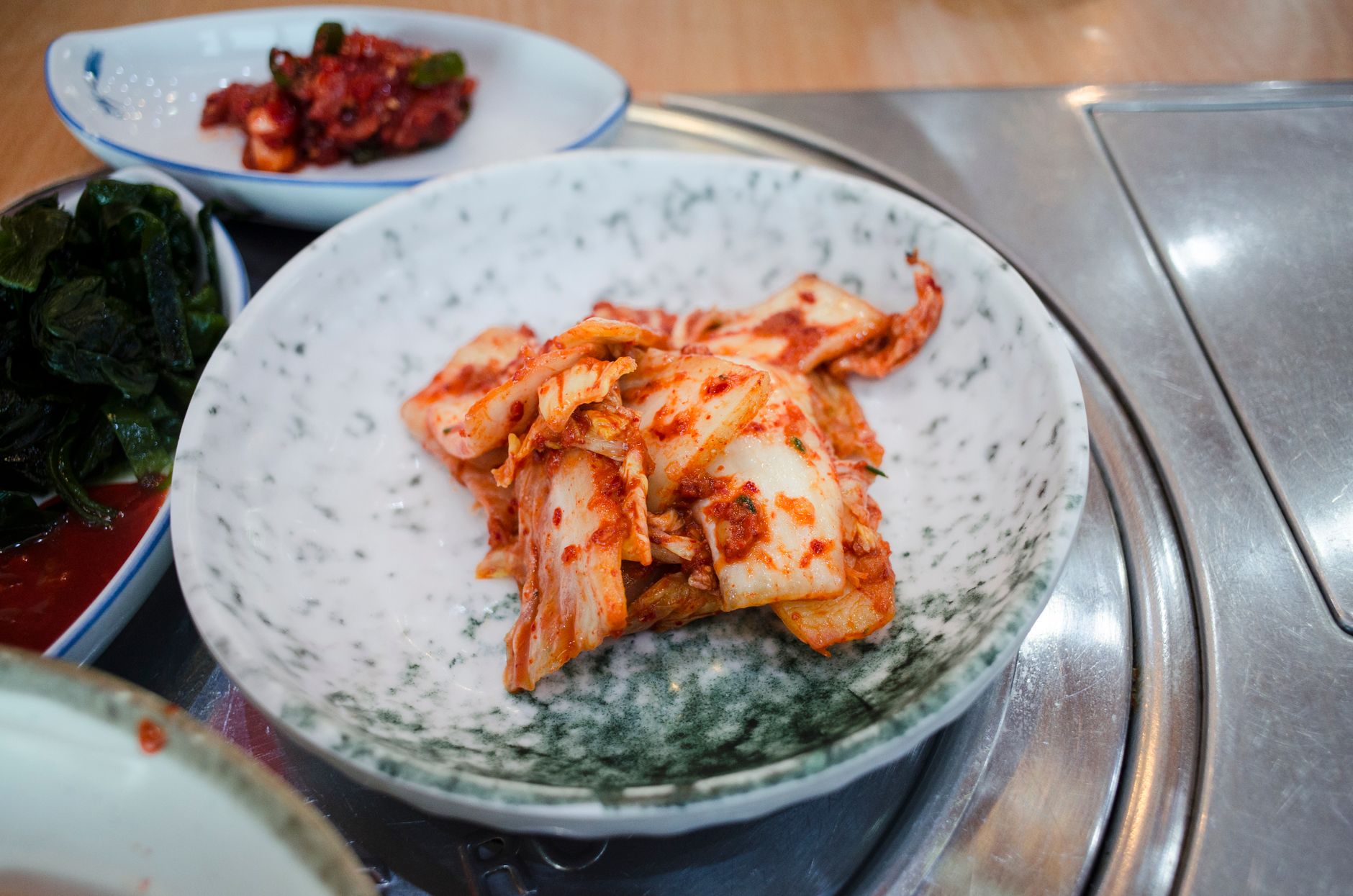
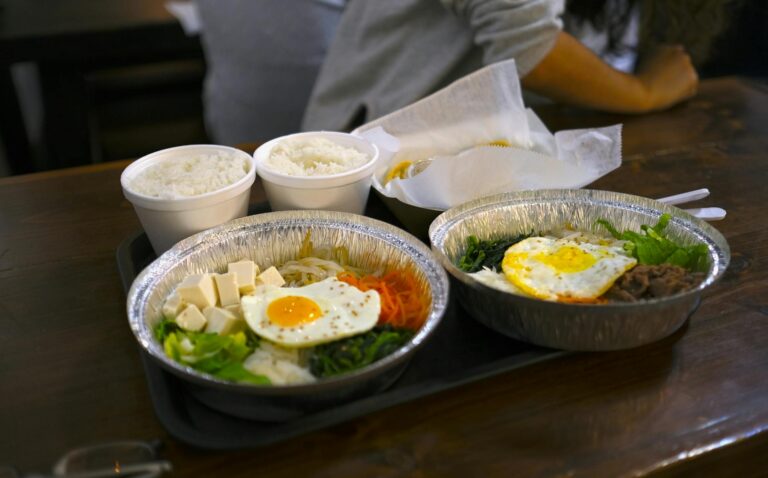
Walk through any Korean market in Seoul or Busan and you’ll find toasted sesame oilโ€”called “chamgireum”โ€”sitting front and center on every shelf. This oil is made from sesame seeds that have been roasted until they’re nearly black, then pressed. The result is a dark brown liquid with an assertive, almost smoky character that demands attention. Korean cooks use it as a finishing oil, not a cooking medium. I watched a vendor in Gwangjang Market dress freshly blanched bean sprouts with exactly one teaspoon of toasted sesame oil, a pinch of garlic, and saltโ€”nothing else. The oil’s roasted character became the entire point of the dish. You drizzle it over bibimbap seconds before eating, scatter it across seasoned spinach, mix it into gochujang for dipping sauces. Korean cuisine treats toasted sesame oil like a seasoning, similar to how you’d use soy sauce or fish sauce. It’s potent enough that a little goes a long way. Try cooking with it at high heat and you’ll destroy those roasted notes you paid forโ€”the whole reason you bought it in the first place.

Chinese Cooking’s Secret: Light Sesame Oil for Heat

In China, particularly across Sichuan and Hunan provinces, you’ll encounter a completely different product. Regular sesame oilโ€”made from raw or lightly toasted seedsโ€”is pale gold and mild. Chinese cooks use this in two ways: they cook with it at moderate temperatures, and they use it to balance heat from chili oil and Sichuan peppercorns. At a mapo tofu stall near Huimin Street in Xi’an, the cook added regular sesame oil directly into the bubbling broth alongside the numbing peppercorns. The oil’s neutral flavor didn’t compete; instead, it carried the spice across your palate and softened the intensity. This is impossible with toasted sesame oil, which would overpower everything. Chinese cooks also use regular sesame oil in cold dishesโ€”tossed through cucumber salads, mixed into dipping sauces for dumplings. The lighter profile lets other ingredients shine. You can actually cook with regular sesame oil at moderate heat without losing its character, making it far more versatile than its Korean counterpart.

How to Stock Your Pantry (And Not Waste Money)

Here’s my practical advice after years of cooking with both: buy toasted sesame oil only if you’re making Korean food or Japanese dishes. A small bottle lasts months because you use it sparingly. For Chinese cooking, grab regular sesame oil insteadโ€”it’s usually cheaper and performs better. Check labels carefully; toasted sesame oil will say “roasted” or “toasted,” while regular versions say “pure” or just “sesame oil.” Store both in cool, dark places; toasted sesame oil especially turns rancid quickly. If you’re serious about Asian cooking, keep both on hand. But if you can only buy one? Get regular sesame oil. It’s more forgiving, more versatile, and won’t ruin your food if you accidentally add too much. The toasted stuff is a specialist’s toolโ€”powerful, specific, and absolutely worth learning to use correctly.

Maya Chen
About the Author
Maya Chen

Maya Chen is WokFeed's founding editor and lead food journalist. She has spent 8 years eating her way through 40+ Asian cities, from hawker centres in Singapore to izakayas in Osaka. Her work focuses on street food culture, culinary history, and making Asian food accessible to international readers.

๐Ÿ“Š Data Sources & Editorial Standards
๐Ÿ“ Google Mapsโœ๏ธ Editorial Research

WokFeed's restaurant guides are compiled from real traveler data, on-the-ground research, and cross-verified across multiple platforms. Our editorial team fact-checks all recommendations before publication.

Similar Posts