Tokyo
Tokyo Bangkok
 Seoul
Seoul Singapore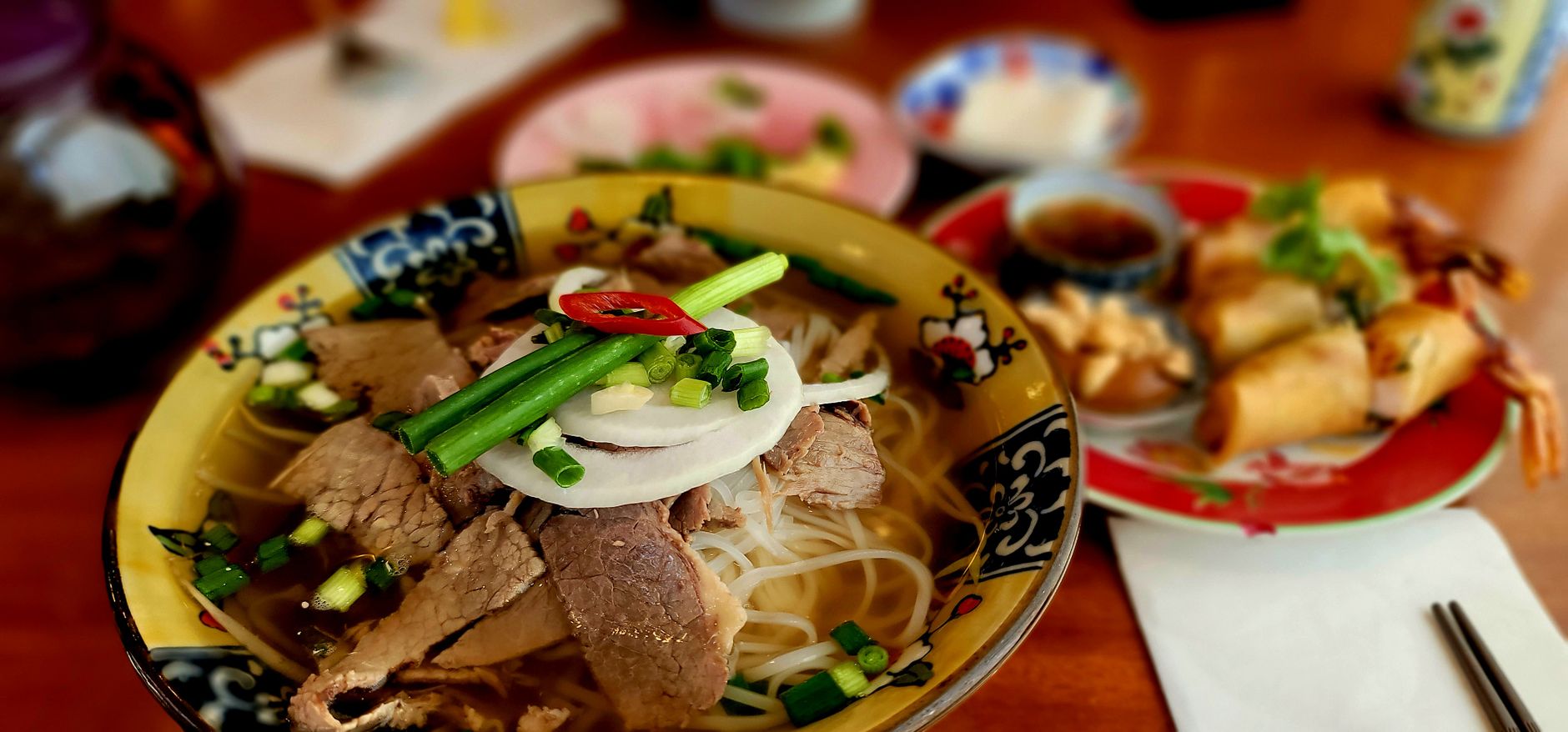
Pho Bo: Origins, Variations, and Where to Eat It

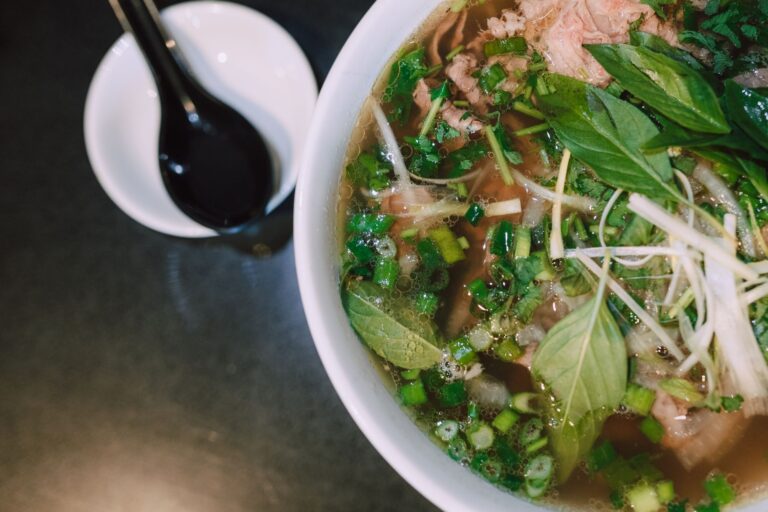
Pho bo is Vietnam’s iconic beef noodle soup—a bowl of rice noodles swimming in broth that’s been simmered for half a day or more with beef bones, charred onion, ginger, and warm spices like star anise and cinnamon. Thin slices of raw beef cook right in the steaming broth, topped with herbs, lime, and chilies. It’s a mash-up of Chinese noodle traditions and French colonial ingredients, but the result is purely Vietnamese: deceptively simple, technically demanding.
Origins and History
Pho bo first appeared in northern Vietnam around the early 1900s, probably in Hanoi. No one agrees on exactly how it started. The soup borrows from Chinese beef noodle dishes brought by traders, mixed with Vietnam’s own bone-broth techniques. Then the French showed up. Their love of beef meant more cattle—and suddenly, beef wasn’t just for the rich anymore.
By the 1920s, Hanoi’s Old Quarter street vendors had turned pho bo into an art form. Their trick? Blanching bones first to keep the broth clear, then tossing charred onion and ginger straight into the pot. That method became the gold standard. When war pushed people south, pho went with them. After 1975, refugees took it global.
Regional Variations
Hanoi Pho Bo sticks closest to the roots. The broth is light, almost clear, with subtle spice notes. Noodles are skinny. Herbs? Just scallions and cilantro. The beef arrives raw, sliced so thin it turns pink the second hot broth hits it. Most spots only serve pho, and only until they run out—usually by 10am.
Ho Chi Minh City (Saigon) Pho Bo went big. The broth’s sweeter, sometimes with caramelized onions. Noodles get thicker. Then there’s the herb explosion: basil, mint, bean sprouts, jalapeños—all piled high on a side plate. Reflecting southern tastes, these stalls often stay open all day and offer chicken pho too.
Da Nang Pho Bo splits the difference. The broth has more star anise punch than Hanoi’s but less sweetness than Saigon’s. Look for blood cake or tripe in the mix—a nod to the city’s port-town roots. The broth stays clean, with spices dialed back.
What Makes a Great Pho Bo
Three things can’t be messed up: broth, noodles, beef.
Broth needs time—12 hours minimum, better at 24. Bones do most of the work. Charred onion and ginger add depth, while toasted spices (star anise, cinnamon, cloves) should whisper, not shout. Over-spicing is the rookie mistake. The best broths taste like beef first, everything else second.
Noodles walk a tightrope: soft but with some bite. Fresh rice noodles beat dried every time. A quick cold rinse keeps them from clumping.
Beef gets sliced against the grain, about credit-card thickness. Perfectly cooked by the broth’s heat, it should blush pale pink. Herbs and lime juice cut through the richness.
Here’s the kicker: great pho bo barely needs salt. The flavor comes from marrow and slow reduction, not a heavy hand with the shaker.
Where to Try Pho Bo: City by City Guide
Hanoi is pho bo’s holy land. Pho Thin (Ly Quoc Su Street) has served the same beef pho since 1953—broth so clean you could almost see through it. Pho Bat Dan (Bat Dan Street) keeps it real with zero frills and maximum locals.
Ho Chi Minh City does modern pho right. Pho 2000 (Pasteur Street) got famous thanks to Bourdain, but the broth holds up. For street cred, hit the stalls near Ben Thanh Market at dawn.
Da Nang keeps it low-key. Stalls around Han Market serve lighter broths to workers grabbing quick breakfasts. Thirty thousand dong buys a bowl and a slice of local life.
Price Guide
Street pho runs 30,000-50,000 VND ($1.30-2.20) anywhere in Vietnam. Tourist spots in central Hanoi or District 1 might charge double. Fancy restaurants with table service? You’re paying for ambiance, not better broth. The truth: the best pho often costs less than a coffee back home.
Pho bo isn’t just soup. It’s Vietnam on a spoon—foreign influences boiled down into something that couldn’t exist anywhere else.