Tokyo
Tokyo Bangkok
 Seoul
Seoul Singapore
Vietnamese Street Food: Why Balance Beats Bold Flavors

Vietnamese street food isn’t about overpowering your taste buds—it’s about harmony. While other cuisines go big on flavor bombs, Vietnam’s sidewalk chefs master the art of contrast: tangy cuts through rich, spicy meets fresh herbs, crunchy plays with soft. This isn’t some minimalist trend. It’s a whole different way of thinking about what makes food satisfying. The West could take notes.
Fresh Ingredients First, Fancy Techniques Second
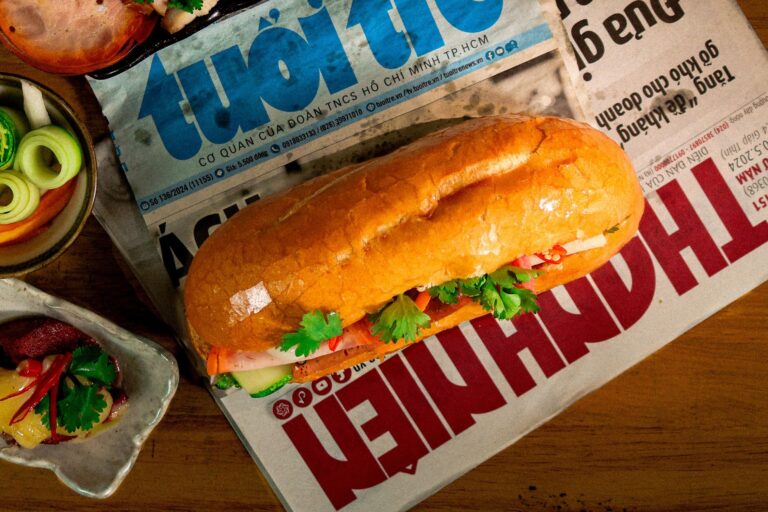
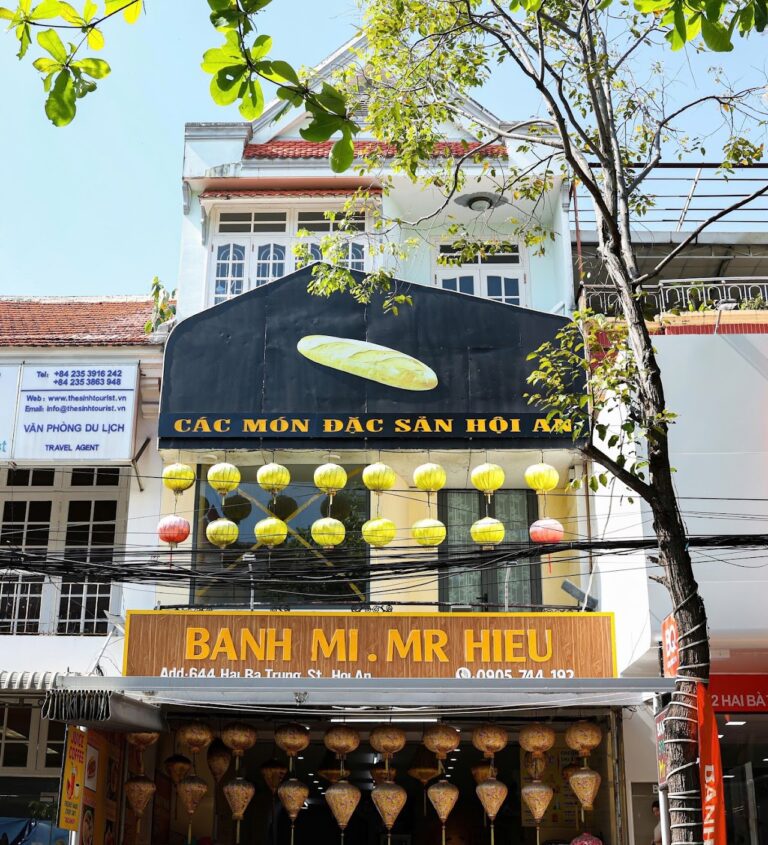
Dawn at a Vietnamese market shows how seriously they take produce. At Ho Chi Minh City’s Ben Thanh Market, vendors have decades-long relationships with specific farmers—not for nostalgia, but because quality matters. A proper bánh mì needs that perfect combo of pâté, pickled veggies, herbs, and crusty bread. There’s no faking it when each ingredient stands out.
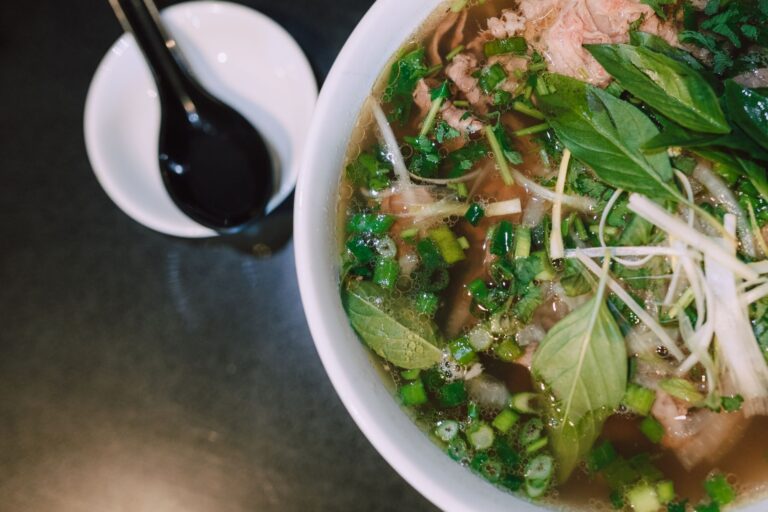
Street vendors don’t cover up mediocre stuff with complicated cooking. Sure, phở broth simmers for hours—but the real work happens before the pot even hits the fire. Choosing the right bones, balancing spices like star anise and cinnamon. Phở Hòa in Hanoi nails this: their broth tastes simple because every element is spot-on. Freshness isn’t optional here—it’s the whole game.
Contrast Beats Complicated Every Time
Vietnamese street food treats each plate like a tiny flavor symphony. Take Hanoi’s chả cá—just turmeric fish, dill, peanuts, and fish sauce at spots like Chả Cá Tàng Tiên. That’s it. But it sings because each part plays off the others: earthy turmeric with bright dill, crunchy peanuts against flaky fish, salty sauce tying it together.
They even play with temperature. Saigon’s bánh canh gives you piping hot broth to pour over room-temperature herbs. You control how much contrast you want—it’s interactive eating. No chef’s ego here, just what tastes amazing when you’re grabbing a late-night bite.
Freshness Isn’t Nice—It’s Necessary
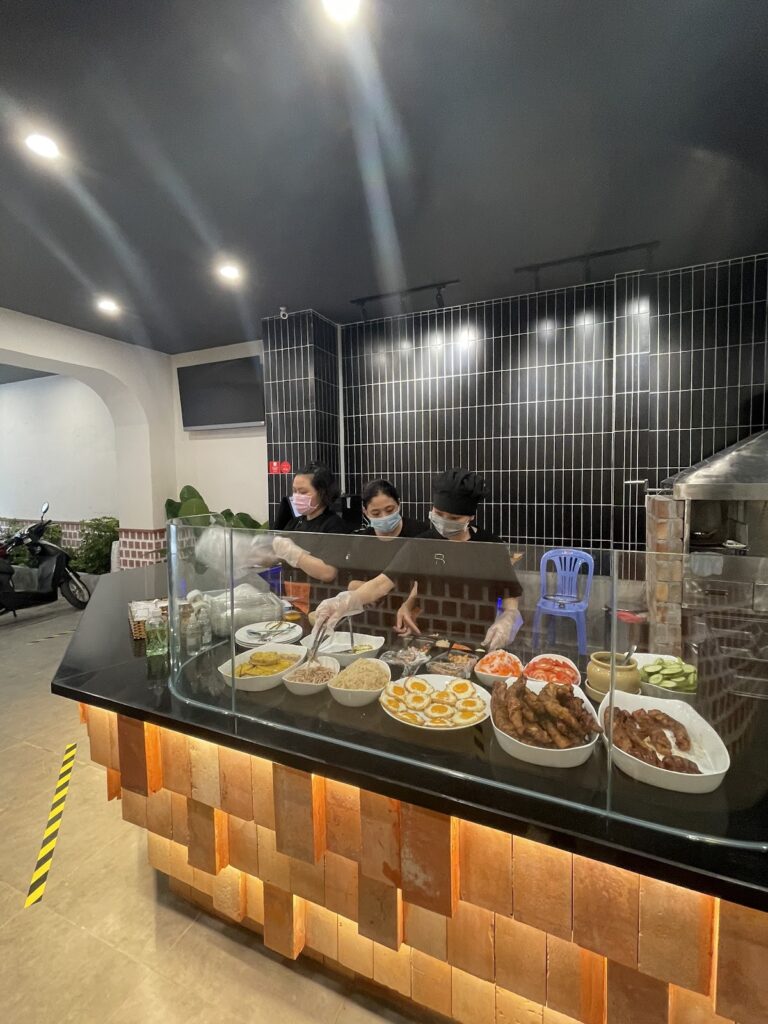
Nothing sits around in Vietnamese street food. That cơm tấm vendor? She’s grilling your pork and frying your egg right then. Rice stays warm without turning gummy. Eggs stay runny. In Vietnam’s heat, food goes bad fast—so vendors built systems where everything’s made to order.
The payoff? Food that actually tastes fresh. Herbs in your Hanoi spring roll were picked that morning. Rice paper hasn’t dried out. When you eat it there, you’re getting the real deal—not some shipped-in imitation.
The takeaway? Whether you’re in London or Los Angeles, look for Vietnamese spots that make small batches all day, pile on the herbs, and care about balance. That’s how you know it’s legit.