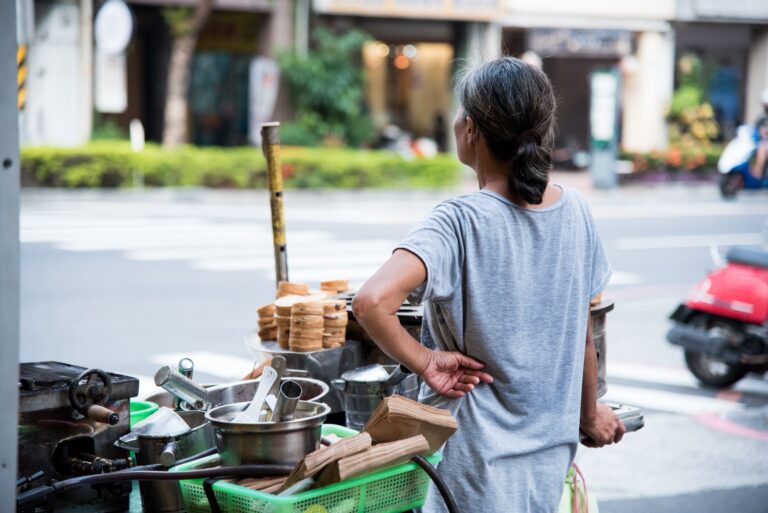
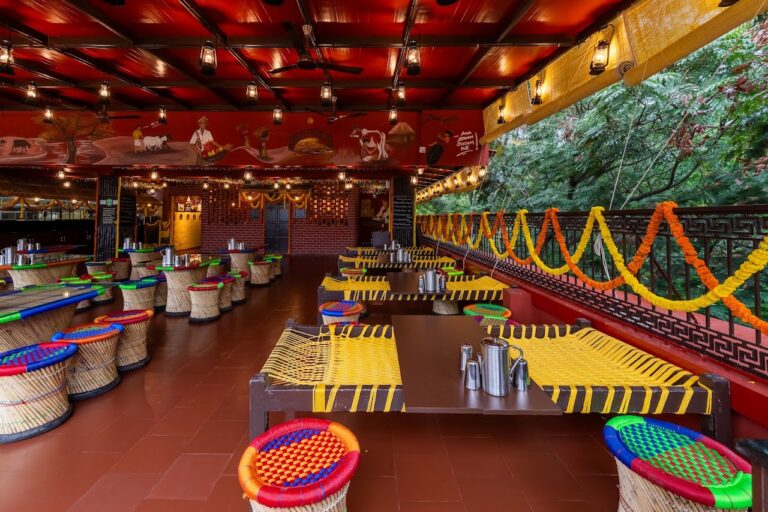
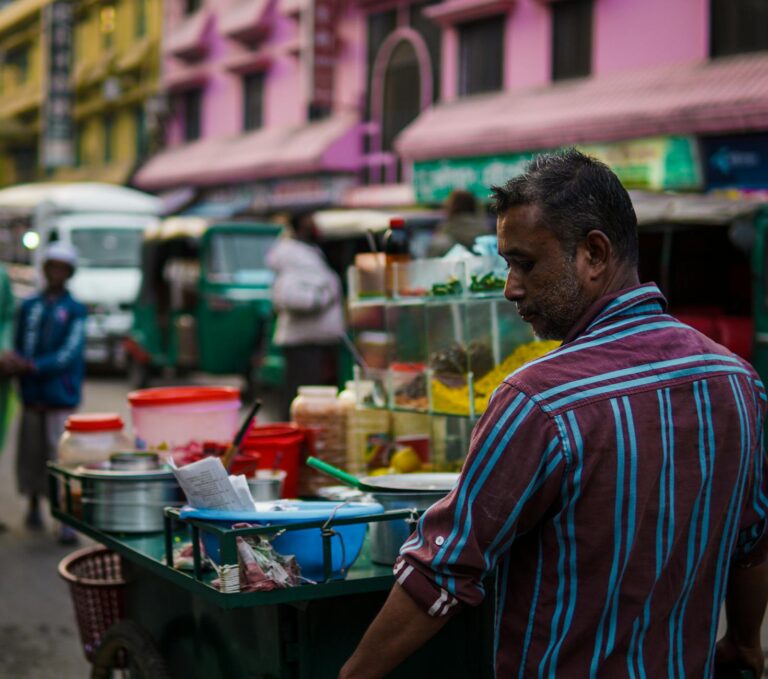
Tokyo
Tokyo Bangkok
 Seoul
Seoul Singapore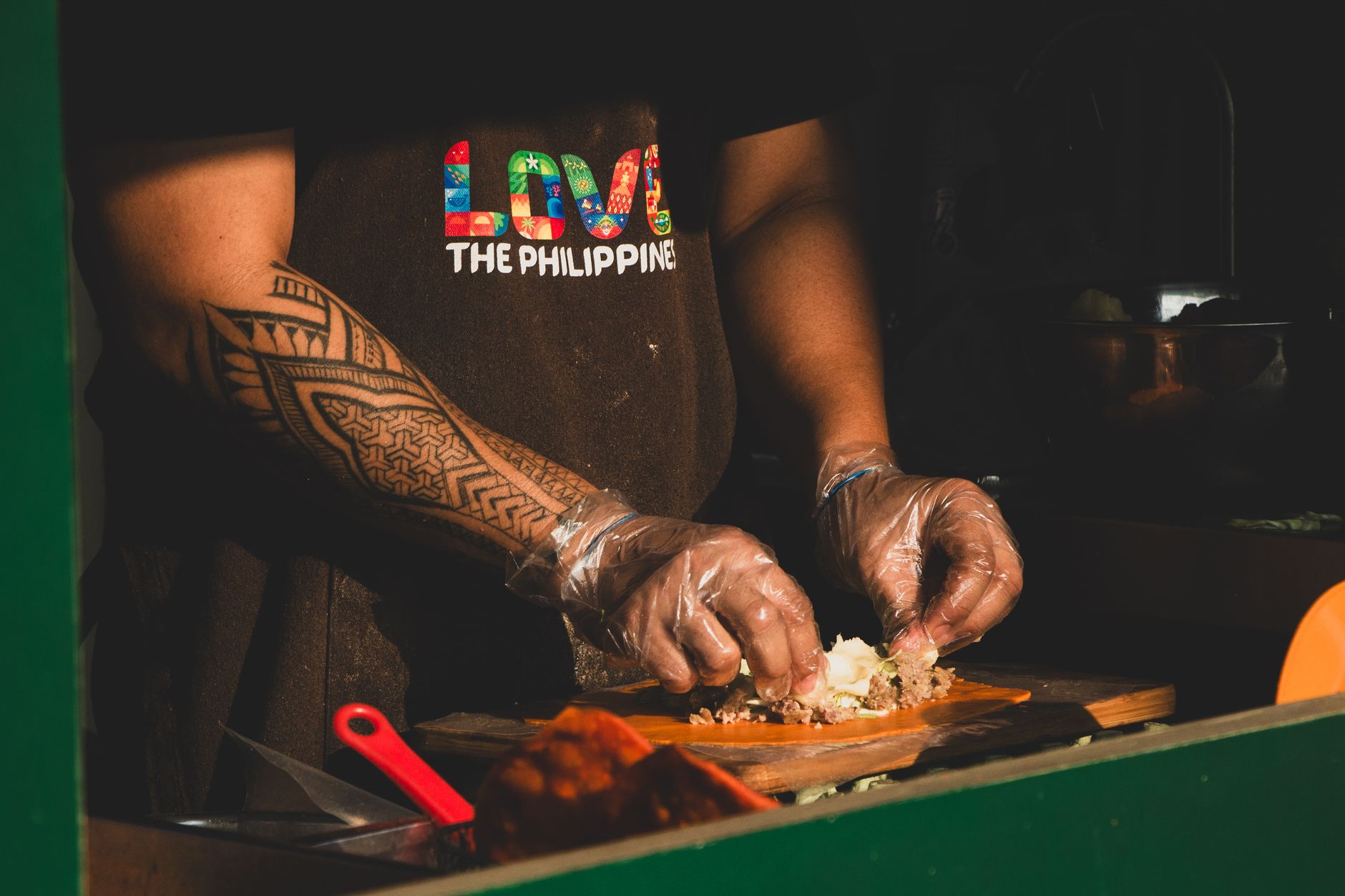
Filipino Fiesta Food: Why Lechon Rules the Celebration Table
When Spanish colonizers reached the Philippines in the 1500s, they brought roasting techniques that would shape lechon—little knowing they were creating a dish that would become synonymous with Filipino culture for centuries. Today, lechon isn’t just party food. It’s the star of every big event, from saint’s day fiestas to family reunions and even political rallies. Pigs, once a status symbol in pre-colonial times, became the ultimate shared meal when Spanish methods met local farming traditions.
The Lechon: Why One Roasted Pig Feeds a Whole Neighborhood
Lechon looks simple: a whole pig, stuffed with lemongrass and bay leaves, then slow-roasted over charcoal until the skin turns crisp and dark. But don’t be fooled. It takes serious skill—constant turning, basting with vinegar and salt, sometimes banana leaves. In Cebu, the lechon capital, recipes are family secrets. Some swear by their charcoal. Others by their vinegar mix. One pig feeds 30-50 people, perfect for a crowd. The meat stays juicy. The skin shatters. That crunch is why no celebration skips it. Dip each bite in lechon sauce—a tangy-sweet blend of pig liver, vinegar, and spices.
Kare-Kare: The Vegetable Stew That Demands Participation
If lechon steals the show, kare-kare is the soul of Filipino feasting. This peanut stew with oxtail, bok choy, and eggplant likely got its name from Spanish or French words, but it’s purely Filipino. The magic isn’t just in the rich, slightly sweet flavor. It’s in how you eat it—ladled from a shared pot, mixing in shrimp paste (bagoong) to taste. At fiestas in Manila or Tagaytay, families crowd around, bargaining for the best meat chunks. The sauce clings to tender veggies, making it hearty and celebratory at once.
The Fiesta Table: How Food Builds Community
Fiestas aren’t just parties. They’re thanks to patron saints, and the food table is where connections grow. Cooking massive amounts—lechon, kare-kare, lumpia—comes from a belief that abundance brings luck and shows generosity. Neighbors chip in dishes, spreading the work and cost. In towns like Lucban or Jaro, streets turn into open-air dining rooms. Everyone eats together, rich or poor. Passing plates, sharing pots—it’s a tradition that outlasted colonization. The fiesta table erases divides. Rivals swap stories. Kids learn recipes by watching elders.
Got a fiesta invite? Show up hungry—and early. The real tradition isn’t just eating. It’s knowing that in the Philippines, feeding people well is how you show love.