Tokyo
Tokyo Bangkok
 Seoul
Seoul Singapore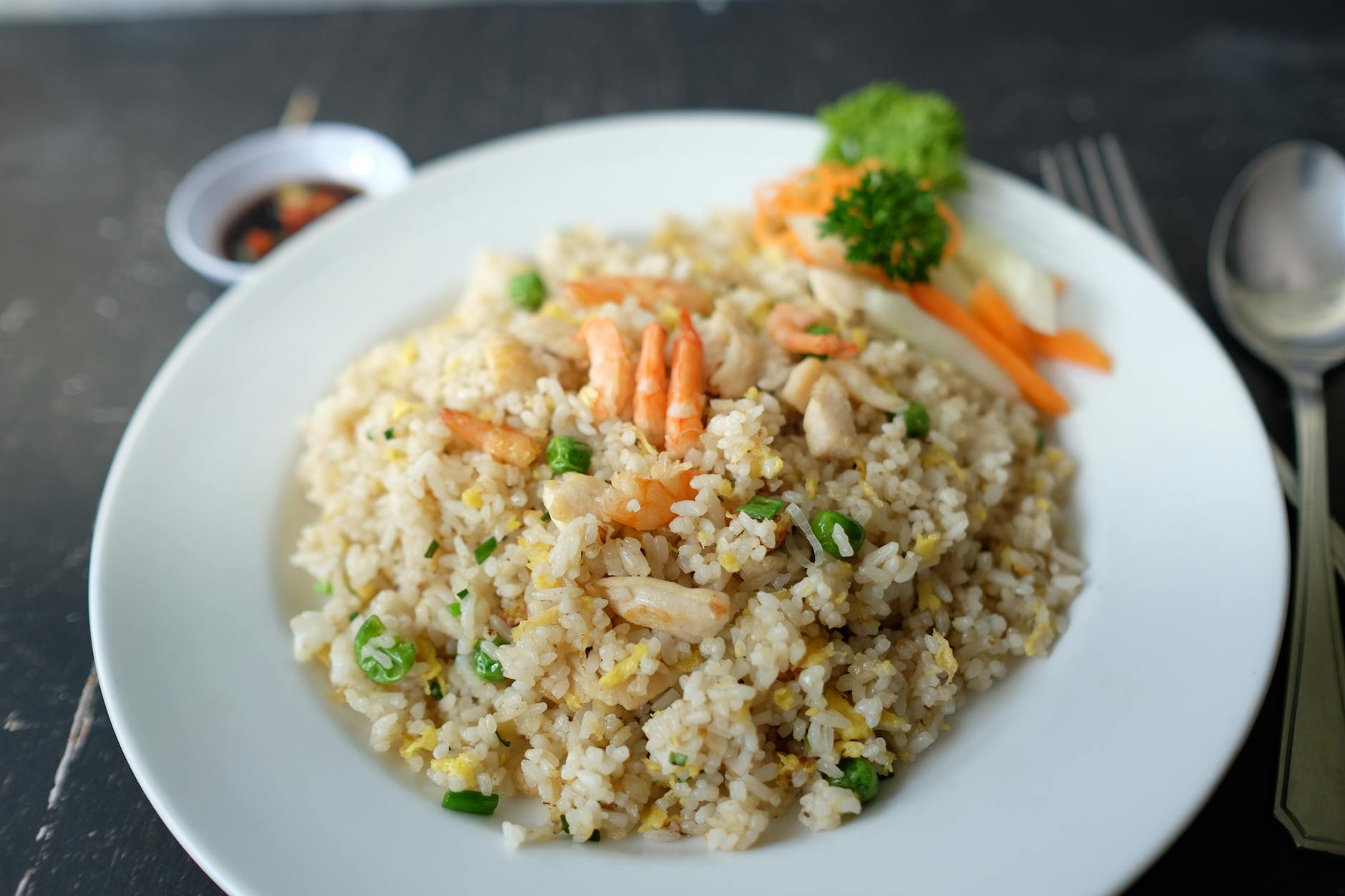
Egg Fried Rice: Regional Variations and Technique Guide

We’ve all had mediocre takeout egg fried rice and thought we knew the dish. Think again. Truly great versions hinge on three things most restaurants outside China ignore: rice temperature, wok heat, and regional style.
Why Egg Fried Rice Is the Test of a Chinese Kitchen
Egg fried rice seems simple – and it is. Rice, eggs, oil, maybe some aromatics. That’s why it matters. In Chinese kitchens, this dish exposes who understands heat control and wok physics. Bad versions turn gluey. Good ones have separate grains with egg ribbons woven through and a faint char underneath.
This dish exists for a reason: leftover rice. Day-old rice works better because fresh grains are too moist. This isn’t just tradition – it’s science. The rice needs to be cold and firm so grains stay distinct when tossed.
Regional differences come down to additions and finishing touches. Cantonese versions keep it simple – soy sauce, white pepper, maybe sesame oil. Yangzhou fried rice packs in shrimp, sausage and peas. Shanghai styles mix in barely-set egg for a custardy coating. These aren’t just variations – they’re entirely different dishes built on the same foundation.
Where to Eat Egg Fried Rice That Actually Teaches You Something
In Guangzhou, order egg fried rice as a main dish at lunch. Watch places like Jing An and Lian Xiang Lou cook it fresh – the wok action matters. Proper versions arrive steaming with visible char marks and eggs cooked just right. Watch how the grains move – they should flow, not clump.
Shanghai’s noodle shops in Huangpu District serve it differently. Get rice with broth on the side – that’s how locals eat it. Expect oilier rice with egg thoroughly mixed in. The broth contrast is intentional.
At home? Rice temperature is key. Use refrigerated rice (12+ hours). Break up clumps by hand first. Heat your wok until it smokes. Cook eggs separately, then add rice in batches. Let sections sit briefly – that sizzle creates the essential char. Stir constantly and you’ll get mush.
The Honest Truth About Egg Fried Rice Outside China
Most Western restaurants use fresh or improperly chilled rice – hence the mush. Their woks don’t get hot enough either. Home burners can’t match restaurant power, but you can still outdo 90% of takeout places with the right technique.
Here’s the thing: egg fried rice isn’t some gourmet destination. It’s practical cooking – a way to use leftovers and master wok skills. Restaurants that hype it as a specialty are often hiding weaker dishes. The spots with great fried rice? Their entire menu shines.
Try making it yourself first. Use day-old rice, maximum heat, and proper technique. You’ll suddenly understand why this dish has endured – and why most versions you’ve eaten missed the mark completely.