Tokyo
Tokyo Bangkok
 Seoul
Seoul Singapore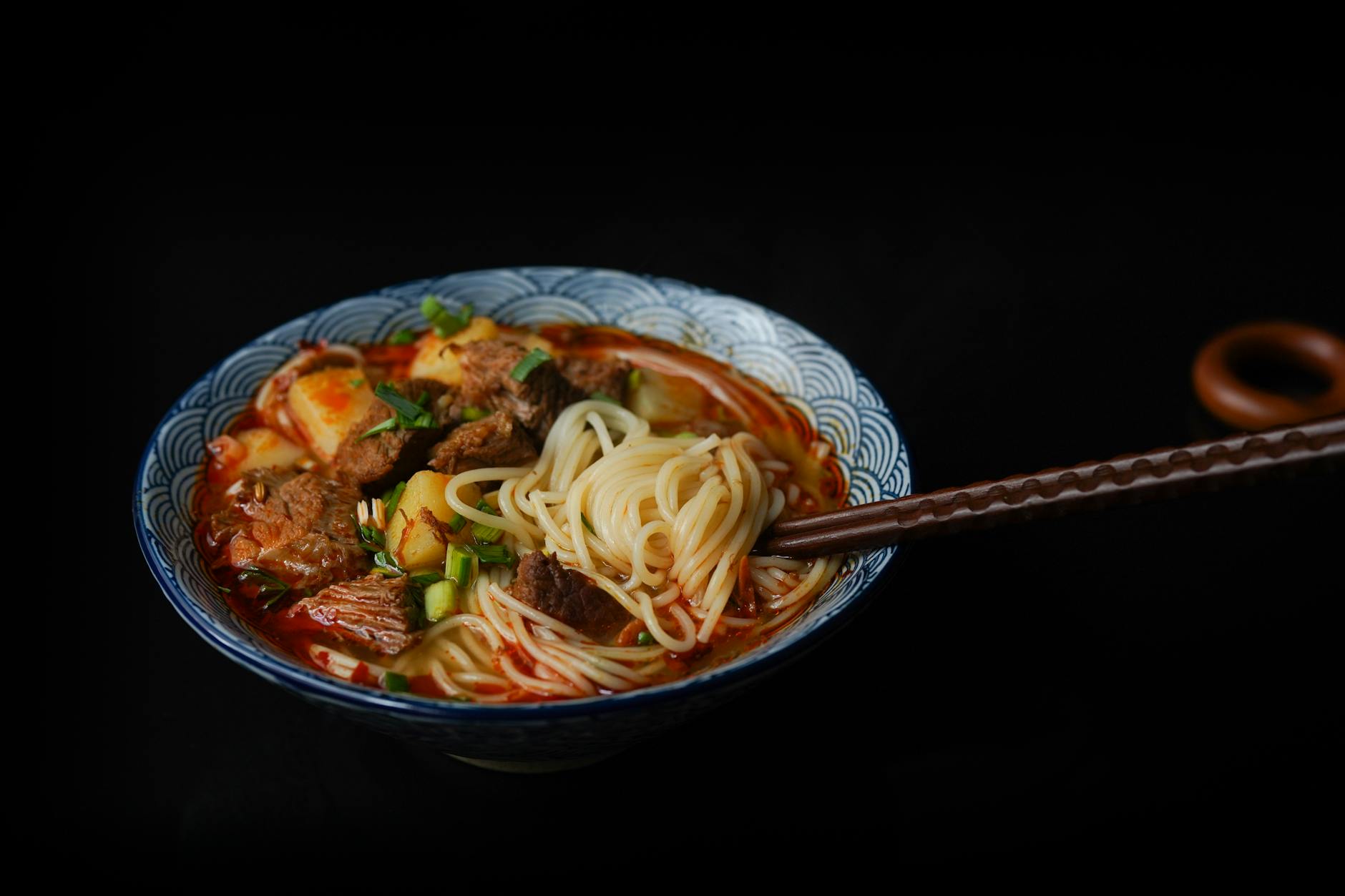
Wonton Noodle Soup: Master This Chinese Kitchen Essential

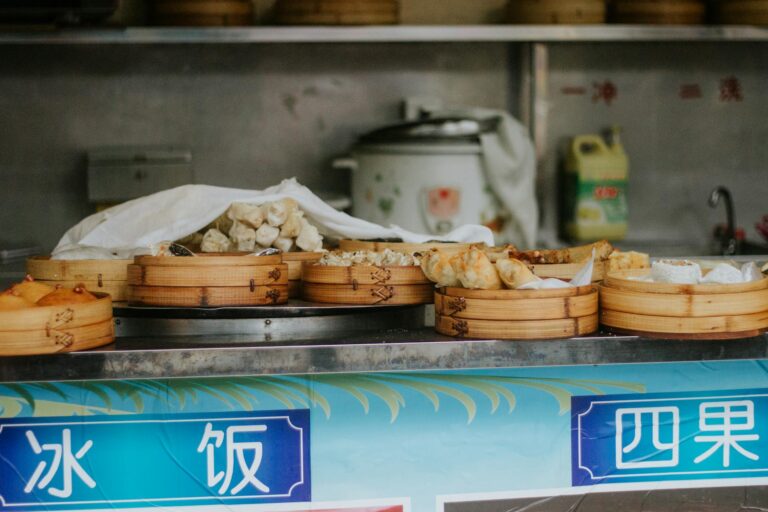
At 6 a.m. in a Cantonese dim sum kitchen, cooks rely on muscle memory—pinching wonton skins around shrimp and pork, each fold identical. By mid-morning, those wontons end up in bowls of broth that tastes like it simmered for hours (but didn’t). That’s the magic of Chinese home cooking: precision dressed up as simplicity.
Why Wonton Noodle Soup Demands Respect
This dish separates weekend cooks from people who actually feed households. Three things need to click: the wonton (tiny pork-shrimp bundles), the noodle (springy wheat strands), and the broth (clear, intense from shrimp shells and dried fish). Fail, and it’s hot water with floating bits. Nail it, and you’ve cracked the salt-fat-umami code.
It’s foundational. Get this right, and you’ve mastered stock-making, dumpling folding, and noodle timing. You’ll learn patience. You’ll learn shortcuts always announce themselves.
The Regional Twists
Cantonese-style—what most foreigners know—is the minimalist version. Pale broth, tiny translucent wontons, slender noodles. Hong Kong turned this into science: equal parts shrimp and pork in each dumpling, broth that whispers “seafood.” Find it in dim sum spots from Hong Kong to London to Sydney.
Guangdong plays looser. Bigger wontons, heartier broths, maybe bok choy bobbing around. Thicker noodles. Less fuss.
Sichuan’s take? Chili oil and tongue-tingling pepper in the broth. Same wontons, wilder ride. Rare outside China.
Start with Cantonese. It’s the toughest, so it teaches the most.
The Mistake Everyone Makes
People mess up wonton noodle soup by treating it like three separate recipes. Broth on Monday, wontons on Tuesday, noodles boiled like spaghetti.
Here’s the trick: The broth simmers while you fold. Noodles cook in plain water—the broth seasons them. Wontons take a quick swim right before serving. Timing turns ingredients into one cohesive dish.
Broth needs discipline. Shrimp shells, dried fish, and a little pork simmer for 30 minutes max. Longer turns it bitter. Go easy on salt—the filling and noodles bring their own. Aim for clean, slightly sweet, with a faint ocean breeze.
The folding? Methodical. Filling in the center, wet two corners, triangle fold, pinch the ends. Mess up 50 times, and your hands will figure it out.
Where It Belongs
Kowloon eats it for breakfast. Melbourne treats it as weeknight fuel. In U.S. cities, it’s comfort in a bowl. The best versions? Usually at places with unchanged menus, cooks who’ve made the same broth for decades, and zero pretension.
Home cooks: Find a version you love and dissect it. Is the broth shrimp-heavy? Are the wontons dainty or hefty? That’s your target.
The Real Takeaway
Wonton noodle soup isn’t some exotic project. It’s weeknight practicality—satisfying food made fast. Learn it not to impress, but so you can feed people well without breaking a sweat.
Try this first: Make the broth. Shrimp shells and dried fish, 25 minutes. Taste. If it makes you think of a clean ocean breeze, proceed. If it’s bland, add more shells. This one habit—tasting as you go—will upgrade every soup you ever make.