Tokyo
Tokyo Bangkok
 Seoul
Seoul Singapore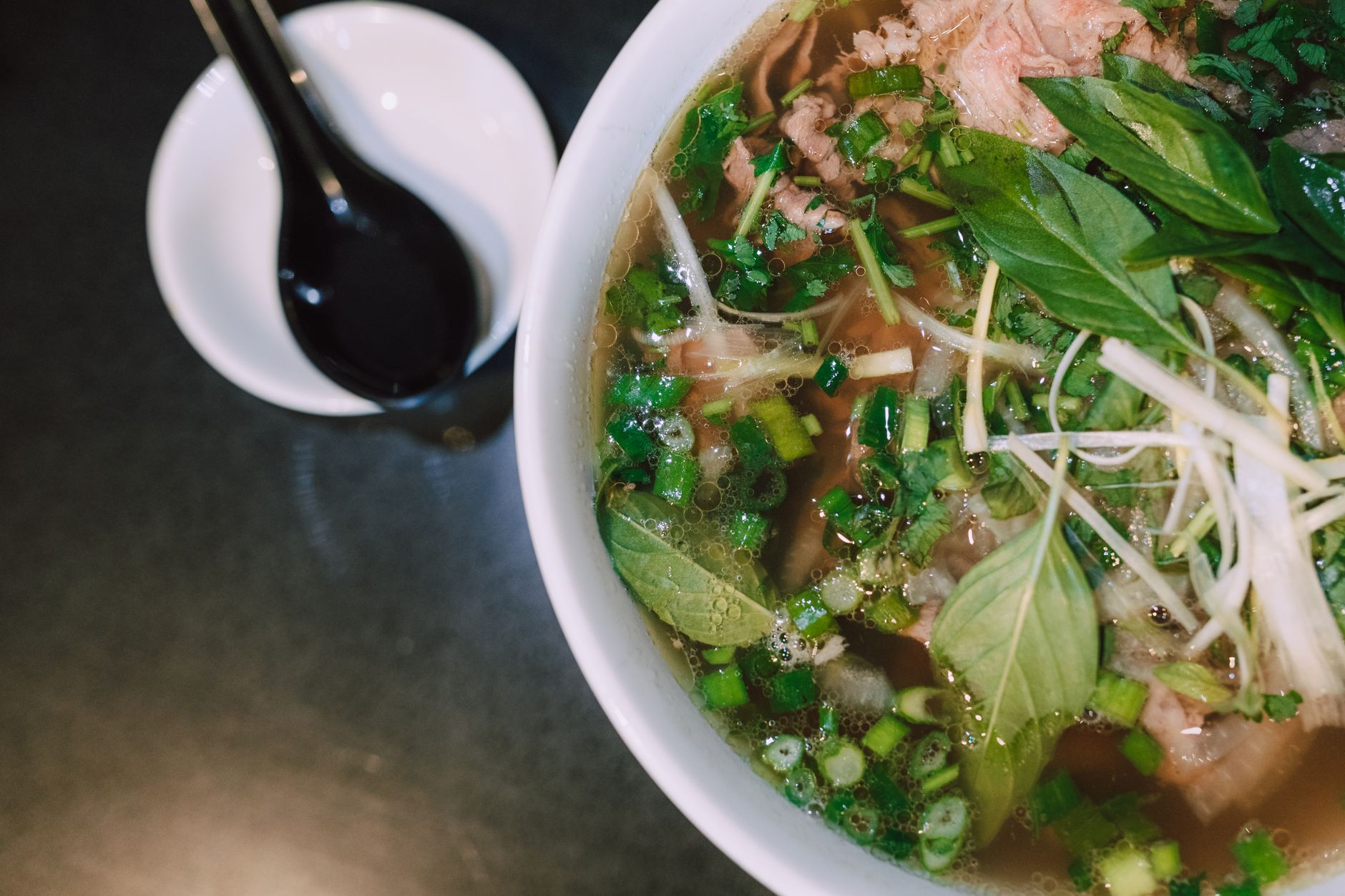
Canh Chua: Vietnam’s Sour Soup That Outclasses Pho

Everyone in Vietnam eats pho. Banh mi is a close second. But hardly anyone tries canh chua—which is exactly why you should. This tangy tamarind soup with fish, tomatoes, and pineapple fixes pho’s biggest flaw: it’s lighter, more unpredictable, and never tastes the same twice. Each kitchen tweaks the broth daily.
Why Canh Chua Deserves More Hype
“Sour soup” sounds boring. The ingredients—fish stock, tamarind, maybe shrimp paste—don’t sound exciting either. But done right? It’s like drinking the Mekong Delta. Sweet at first, then punchy sour, with umami that sneaks up on you. By the third spoonful, you’re hooked.
Expect whole fish (snakehead or catfish), tomatoes, pineapple, okra, and a heap of herbs you toss in yourself. That’s the magic—you tweak each bite. Pho locks you into one flavor. Canh chua lets you play. Bad versions taste like fish water with tamarind squeezed in. Good ones balance lime, fish sauce, and vinegar under that sharp tamarind kick.
Where to Get the Real Deal
In Ho Chi Minh City, hit District 1 or 3 lunch spots (open 10-2) or District 4 seafood joints near the river. Tourist zones? Skip them. The best places have cracked plastic stools and zero English menus. Try the alleys off Nguyen Hue Walking Street at noon—ask for “canh chua ca” to get the fish version. Shrimp or crab broths are weaker.
Hanoi’s Old Quarter near Hang Manh Street does a less sweet, shrimp-paste-heavy take. In Da Nang, hit seafood spots by Han Market—lunch only, when the fish is fresh off the boat.
Price check: 40,000-80,000 VND ($1.70-$3.40) is fair. Over 120,000 VND? They’re watering it down for tourists.
The Canh Chua Rules Nobody Explains
Eat it at lunch. Locals do 11-1:30 on weekdays. Nighttime canh chua means old broth—flavor’s faded, and it might not sit well. Morning broth has that bright, clean tang.
Fish choice is key. Snakehead (ca loc) gives the richest broth. Catfish (ca tra) works but muddies the flavor. Tilapia? Too thin. Always ask what’s in the pot.
Warning: this soup isn’t politely sour. It’s face-twisting, mouth-puckering sour. If that’s not your thing, steer clear.
Try this: Next Saigon trip, swap one pho breakfast for a noon canh chua ca in District 3. Confirm the fish type, eat it fast, and you’ll finally get why locals pick this over pho.