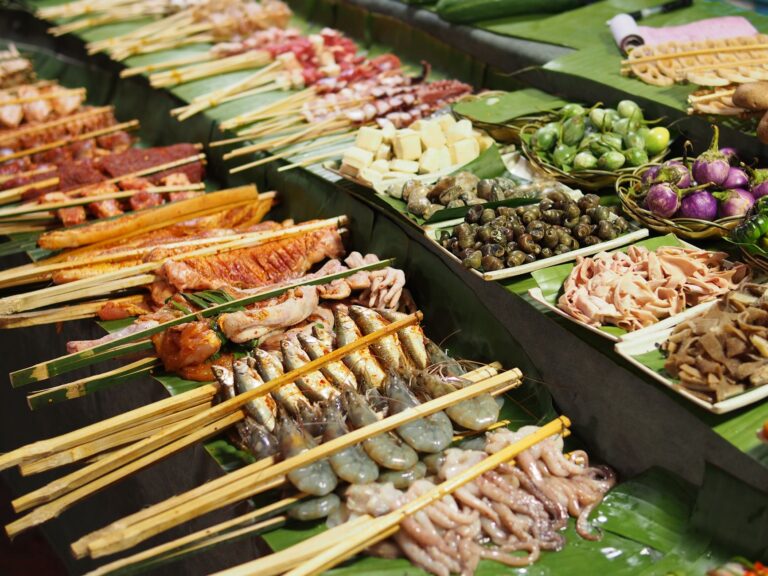
Tokyo
Tokyo Bangkok
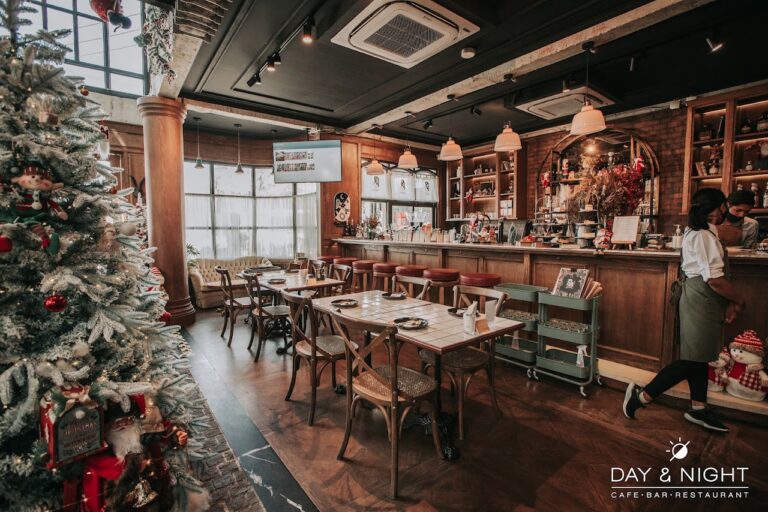
 Seoul
Seoul Singapore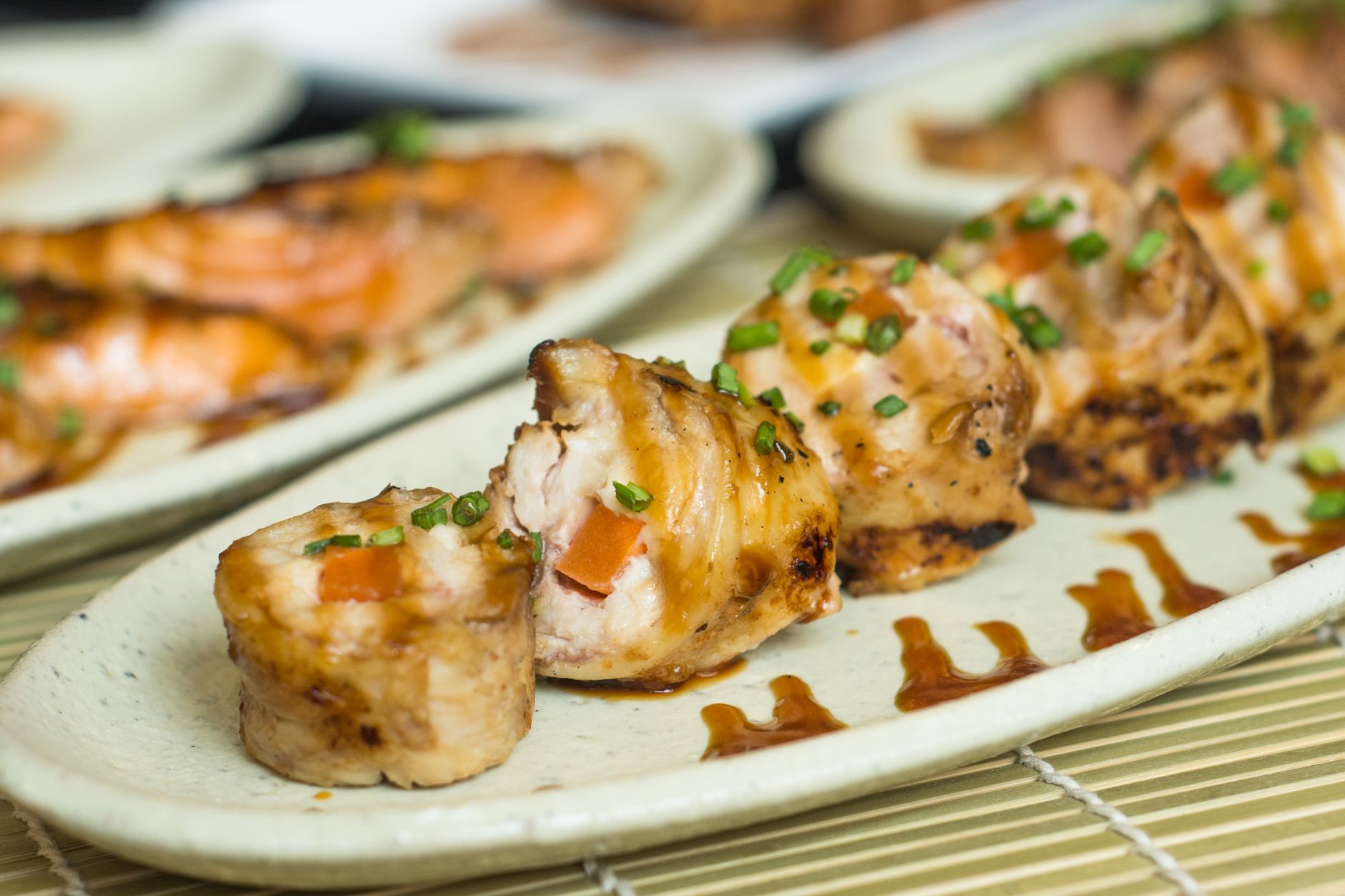
Best Asian Food in Los Angeles: Authentic Korean, Japanese, Thai, Vietnamese
Los Angeles didn’t become an Asian food powerhouse overnight. When immigration laws changed in 1965, waves of Asian immigrants transformed the city’s dining scene. By the 1980s, entire neighborhoods had become food hubs. Now you can taste Seoul, Bangkok, Hanoi, and Tokyo—often cheaper than flying there.
Koreatown’s Banchan Culture and Late-Night Grilling
Koreatown packs 150,000 Korean residents into just 2 square miles near Olympic and Western. This isn’t just where Koreans eat—it’s where they’ve rebuilt Korean dining culture from the ground up. Walk into any spot and you’ll get banchan, those little side dishes that come free with every meal. Originally from royal court cuisine, they’re now a neighborhood staple.
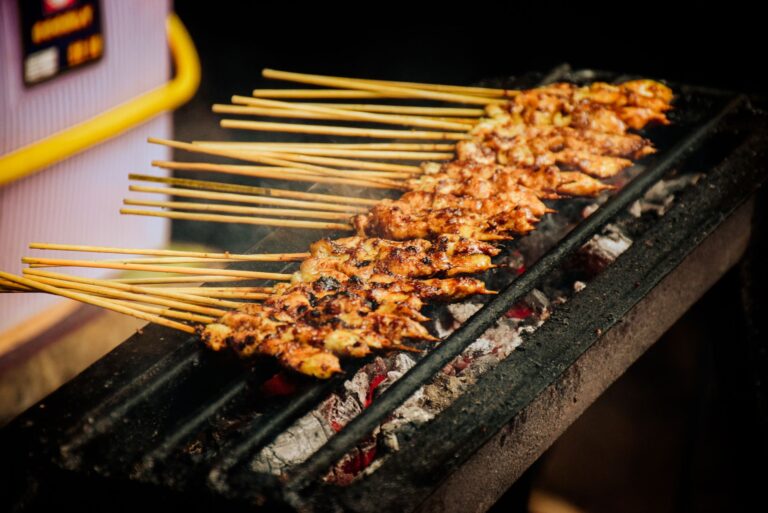
At Quarters Korean Steakhouse, they grill marinated short ribs right at your table. Kang Ho Dong Baekjeong does killer charcoal-grilled meats and spicy rice cakes. For something low-key, locals line up at Mom’s Tofu House for bubbling stone pot stews. The 24-hour dining scene? That started because Korean immigrants worked night shifts and needed late meals. The tradition stuck.
Little Tokyo’s Ramen Wars and Specialty Shops
Little Tokyo, squeezed between 1st and 2nd Streets, is LA’s oldest Japanese neighborhood. Unlike sprawling Koreatown, this compact district survived internment camps and rebuilt. Now it’s ground zero for serious ramen fans.
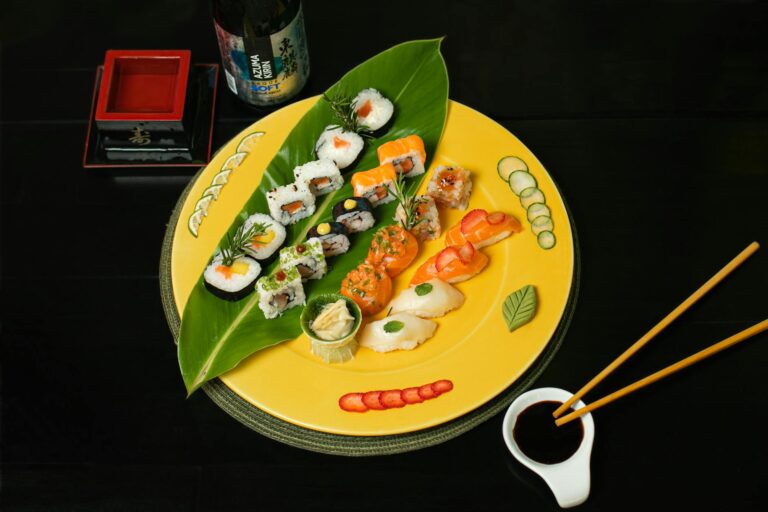
Ramen Yokocho crams five competing shops into one alley. Each has its thing: one does 18-hour pork bone broth, another nails soy-based ramen, another masters miso. The competition keeps everyone sharp. Beyond noodles, Sugarfish serves minimalist sushi (chef’s choice), while Daiso stocks Japanese groceries. The Japanese American Museum tells the story behind the food.
Thai Town and Vietnamese Enclaves: East Hollywood’s Aromatic Streets
Thai Town took over Hollywood Boulevard in the 80s, turning a fading area into a food destination. With 40+ Thai restaurants, it’s the biggest Thai community outside Thailand. The air smells like lemongrass and fish sauce here.
Pad Thai King and Renu Nakorn serve northern curry noodles and minced meat salads that rival Bangkok’s best. What makes Thai Town special? You can find every obscure ingredient—fresh Thai basil, tiny chilies, tamarind—in local markets.
Vietnamese food spreads differently across LA. Westminster’s got a huge scene, but East Hollywood’s University Avenue holds its own with pho joints and bánh mì spots. Don’t miss the broken rice specialists—these dishes tell stories of colonialism and migration.
LA’s real food scene isn’t in guidebooks. Hit these neighborhoods, follow the locals, and come hungry. No English menu? Even better.