Bangkok Food Guide: Yaowarat to Ekkamai Neighborhoods
Every Bangkok food guide recommends the same five restaurants, and most of them have declined since they made the internet lists. You need a neighborhood-by-neighborhood strategy, not a restaurant checklist. Yaowarat and Ekkamai represent two distinct Bangkok food ecosystems—one built on rapid-fire street eating, the other on serious regional Thai cooking—and knowing which one to hit based on what you actually want to eat will save you from tourist-packed disappointment.
Yaowarat: Why This Neighborhood Matters More Than You Think
Yaowarat is Bangkok’s Chinese district, and it functions as the city’s primary street-food engine. The neighborhood runs roughly one kilometer along Yaowarat Road and explodes into activity after 6 p.m., when shopfronts convert into open-air restaurants and the street becomes a single long dining corridor. What makes Yaowarat different from other Bangkok neighborhoods isn’t novelty—it’s volume and consistency. You can eat exceptionally well here for $3–5 per dish because vendors are working at scale, not for Instagram. The best version of Yaowarat eating involves skipping sit-down restaurants entirely and working the street stalls in sequence: one for noodles, another for seafood, a third for grilled meat.
What to Actually Eat in Yaowarat and Where to Find It
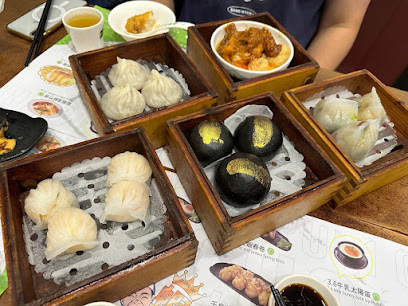
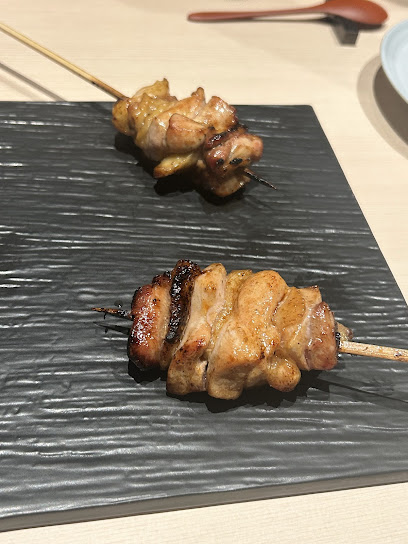
Start with rad noodles (crispy noodles with gravy) at any stall displaying a metal cart with a wok—you’ll spot them immediately. Move to the seafood vendors along the eastern side of Yaowarat Road near Soi 10; order by pointing at the tank. Grilled squid (pla-meuk yang) and shrimp are reliable. The stall called “Nai Mhai” (look for the red signage, roughly opposite Soi 12) has sold grilled pork neck for 30 years and still delivers properly charred meat without drying it out. For dim sum, arrive before 11 a.m. at Luang Prabang (the pushcart dim sum spot, not the restaurant)—afternoon crowds make it chaotic. Avoid the sit-down restaurants with English menus on Yaowarat Road itself; they’re priced for tourists and the food has softened. The eating happens on the street.
Ekkamai: Where Bangkok Cooks Eat When They Want Real Food
Ekkamai is a 2-kilometer stretch in eastern Bangkok where regional Thai restaurants cluster without tourist infrastructure. Unlike Yaowarat’s speed-eating model, Ekkamai operates on sit-down meals, often family-run, where the owner’s home region determines the menu. You’ll find Isaan (northeastern) restaurants, northern Thai shops, and southern Thai specialists operating side by side. The critical difference: these places cook the way they eat at home, not the way they think tourists want Thai food to taste. Dishes arrive properly spiced, often genuinely hot, and sometimes unfamiliar to Western palates. This is where you eat when you want to understand Thai food beyond pad thai.
Specific Restaurants and Dishes in Ekkamai Worth Your Time
Krua Apsorn Rangnam serves northern Thai food—order khao soi (egg noodles in curry broth) and sai oua (northern sausage). The khao soi here uses a darker, more bitter curry than the tourist versions. Somtam Nua is the Isaan specialist; their papaya salad includes dried shrimp and fermented fish that create a genuinely funky depth. Order it spicy (ask for “pet nit noi”). For southern Thai, Krua Nakhon serves massaman curry and kaeng tai pla (southern fish curry with turmeric) that tastes nothing like what you’ll find in central Bangkok. None of these places have extensive English menus. Arrive hungry, point at other tables, or use Google Translate on your phone. The staff is accustomed to this.
The Honest Truth: Timing and Neighborhood Selection Matter More Than Specific Restaurants
Bangkok’s food quality fluctuates based on customer type and time of day. Yaowarat works best between 7–10 p.m., when vendors are fresh and crowds are manageable. After 11 p.m., quality drops as vendors deplete inventory. Ekkamai works best between 11 a.m.–2 p.m. and 5–8 p.m., matching actual meal times for Bangkok residents. Avoid both neighborhoods during tourist lunch hours (noon–1 p.m.) unless you enjoy waiting in line. Most importantly: these neighborhoods work because they serve locals first and tourists second. That’s the entire reason they’re worth visiting.
Spend one evening working Yaowarat Street as a progression of stalls rather than choosing a single restaurant. Eat quickly, move often, and treat it like a practical meal, not an experience. You’ll eat better and spend less than anyone sitting at a restaurant table.