Bangkok Food Guide: Yaowarat to Ekkamai’s Best Eats
Bangkok’s food reputation rests on two neighborhoods that couldn’t be more different, yet both deliver the kind of eating that justifies a plane ticket. Yaowarat and Ekkamai represent the full spectrum of how the city actually feeds itself—one is controlled chaos at street level, the other is where chefs with real ambition set up shop. Between them, you’ll eat better than in most capital cities on Earth.
Yaowarat Is Where Bangkok’s Street Food Economy Actually Works
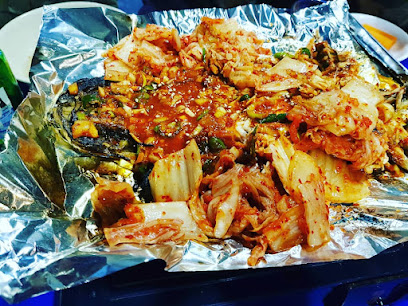
Yaowarat isn’t quaint or Instagram-ready. It’s a dense, narrow alley in Bangkok’s Chinatown packed with stalls, carts, and shopfronts where the economics of street food still make sense. A vendor can spend 30 years perfecting one dish—say, boat noodles or grilled pork neck—because there’s enough foot traffic and enough locals who know exactly what they want to keep that single stall viable. This is the opposite of tourist food courts. These are specialists.
The best time to go is 5 PM to midnight. Start with boat noodles at any stall with a line; the broth is made daily from pork bones and the noodles are served in a small wooden boat (hence the name). Move to grilled pork neck—pork collar, really—at any of the vendors with charcoal grills. The fat renders, the exterior chars, and it costs about $2. Finish with mango sticky rice from a dessert stall, but only if the mango is actually ripe and yellow, not green.
Ekkamai Is Where Bangkok’s Restaurant Scene Proves It Can Compete Globally
Ekkamai, on the opposite side of the city, is where you find restaurants that have trained under serious chefs, invested in technique, and built menus that respect tradition while pushing it forward. This isn’t fusion nonsense. It’s Thai food made by people who understand the fundamentals so well they can take risks.
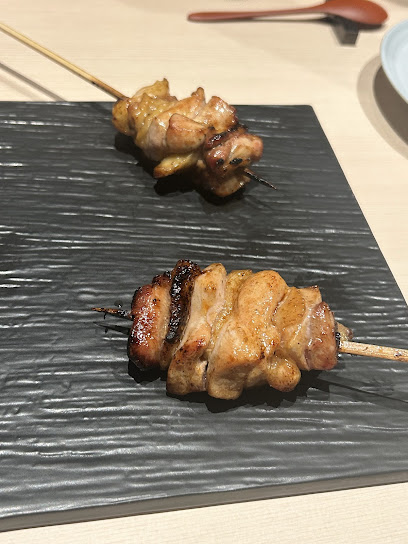
Eat at Err, a small restaurant focused on Issan cuisine from Thailand’s northeast. The larb—minced meat salad—here is made with actual attention to the balance of heat, acid, and umami. The khao soi (curry noodle soup) is the version you’d get in Chiang Mai if you knew the right person. Supanniga Eating Room, also in the neighborhood, does regional Thai cooking with similar precision. Order the massaman curry and the som tam, and understand that these are not simplified versions for export—they’re the real thing, cooked by people who grew up eating them.
The Honest Truth: You’ll Eat Better in Yaowarat, But You’ll Understand Food Better in Ekkamai
Most food writing presents these as equivalent experiences. They’re not. Yaowarat is about volume, speed, and the cumulative effect of thousands of small transactions that have optimized for flavor and price. A bowl of boat noodles in Yaowarat is exceptional because the vendor has made it 500 times this month. Ekkamai restaurants are exceptional because the chefs have thought about every element on the plate.
The real insight: Bangkok’s food culture doesn’t separate street food from restaurant food into a hierarchy. A Bangkok resident might eat boat noodles in Yaowarat on Tuesday and pay $25 for larb at Err on Saturday, and both are serious eating. Neither is a stepping stone to the other. They’re just different ways the city feeds itself.
Skip Yaowarat during the day—it’s crowded with tourists buying things they don’t want. Go at night when the stalls are packed with locals who know exactly what they’re ordering. Spend two hours eating five different things, spending about $15 total. Then, on another evening, make a reservation at Err, sit down, and order the khao soi. That combination—street-level specialization and restaurant-level technique—is the actual Bangkok food story.