Seoul Food Guide: Gwangjang Market to Hongdae
The smell hits you first at Gwangjang Market—not one smell, but layers. Sesame oil from the pajeon stall mingles with the iron-and-blood scent of raw beef tripe, while somewhere deeper in the market, someone’s grilling skewers over charcoal. It’s 10 a.m. on a Tuesday, and the narrow aisles are already packed with ajummas in visors, office workers on their lunch break, and tourists looking completely lost. This is where Seoul actually eats.
Gwangjang Market: Where Seoul’s Breakfast Crowd Still Gathers
You need to get here early—before 11 a.m.—if you want a seat at the bindaetteok stalls. These aren’t delicate pancakes. They’re thick, crispy discs of mung bean batter studded with kimchi, pork belly, and perilla leaves, fried in a shallow pan until the edges char black. Order one and the vendor will slide it onto a paper plate, cut into quarters with a metal spatula, and hand you a small dish of soy sauce mixed with vinegar and gochugaru. Eat it standing up, grease on your fingers, watching the vendor slap down the next batch.
Skip the tourist-oriented stalls near the main entrance. Head to the back, where the kalguksu vendors operate—they’re making knife-cut noodles from scratch, pulling dough and slicing it directly into boiling broth. The broth itself has been simmering since 5 a.m., built from dried anchovies, kelp, and chicken bones. One bowl costs about $6 and will stick to your ribs for hours. The real move: order the guksu (thin noodles) if you want something lighter, or the sujebi if you want the dough pieces thicker and chewier.
Myeongdong and Jung-gu: Street Food That Actually Tastes Like Something
Myeongdong gets a bad reputation, and it deserves most of it. But there are two stalls worth your time. First: the tteokbokki vendor near the subway exit—the one with the red awning that’s been there since the 1990s. Their rice cakes are cooked in a gochujang sauce that’s more complex than you’d expect—they’re using anchovy stock as the base, not just chili paste and sugar. The texture matters here: the rice cakes should be soft enough to cut with your teeth, not mushy.
Second move: find the hotteok stand (there are several, but the quality varies). Hotteok is a fried pastry filled with brown sugar, cinnamon, and sometimes chopped peanuts. The good ones are made to order—you’ll watch the vendor stuff the dough, seal it, then drop it into oil. The outside should crackle when you bite it, and the filling should be molten enough that you’ll burn your mouth if you’re not careful. Eat it immediately, standing at the counter.
For a sit-down meal, find a pojangmacha (street tent restaurant) in the side alleys near Namdaemun. These places serve tteokbokki, odeng (fish cake skewers), and bindaetteok alongside soju and beer. The food isn’t refined, but it’s honest—made for people who work nearby and need something filling and fast.
Hongdae: Where Seoul’s Younger Cooks Are Actually Experimenting
Hongdae is the neighborhood where you’ll find restaurants run by chefs who trained in Copenhagen or Tokyo, then came back to Seoul and decided to do something different. The food here isn’t traditional—it’s Seoul food filtered through a different lens.
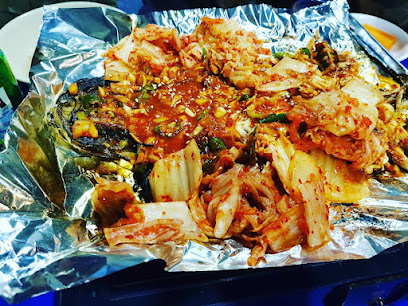
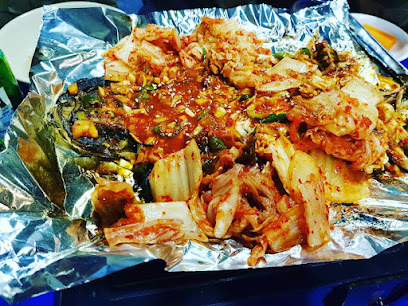
Seek out the smaller restaurants in the back alleys, not the Instagram-famous spots on the main drag. Look for places with handwritten menus and no English signage. One afternoon, I found a tiny restaurant run by a woman who was serving her version of kimchi jjigae—kimchi stew—but she was using homemade kimchi that was only three days old, still crunchy and sharp, combined with pork shoulder that she’d braised for six hours. The broth was almost black, and the depth of flavor suggested she was adding something unconventional—possibly fermented shrimp or fish sauce that had aged for years.
Hongdae also has the best Korean fried chicken in the city. Find a place called a chimaek bar—literally chicken and beer. Order half a chicken (either yangnyeom, coated in a sweet-spicy glaze, or gangjung, crispy and coated in soy and sesame). The chicken should be so crispy the skin shatters when you bite it, and the meat underneath should still be juicy. Pair it with a cold Cass or OB beer, and you’ve got one of Seoul’s most reliable meals.
The real Seoul isn’t in the guidebooks—it’s in these three neighborhoods, where locals still eat, where prices stay reasonable, and where the food tastes like someone actually cared about making it. Start at Gwangjang before dawn, grab street food in Myeongdong around lunch, and save Hongdae for dinner. You’ll eat better than you expected, spend less than you thought, and understand why Seoul’s food culture remains one of Asia’s most dynamic.