Hong Kong Food Guide: Dim Sum, Night Markets & Roast Meats
The smell hits you first—a thick cloud of char and rendered fat mixed with soy sauce and ginger that hangs over the narrow street like fog. You’re standing outside a roast meat shop in Mong Kok at 7 a.m., watching a vendor pull a lacquered duck from the window, its skin crackling under the knife. This is Hong Kong’s breakfast, and it’s nothing like what you eat at home.
Start Your Day With Dim Sum Carts and Endless Tea
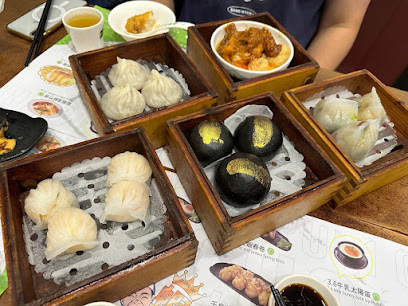
Forget coffee. In Hong Kong, breakfast means pushing into a dim sum hall while it’s still morning and letting servers wheel trolleys past your table. Luk Yu Tea House in Central is the real deal—white tablecloths, elderly regulars reading newspapers, and carts loaded with har gow (shrimp dumplings) that actually have translucent wrappers you can see through. Order siu mai (pork and shrimp dumplings), char siu bao (barbecue pork buns), and cheung fun (silky rice noodle rolls). The game here is volume and speed. You’ll pay around HK$80-120 per person, and you’ll eat more than you thought possible. The tea—usually pu-erh or jasmine—keeps flowing, and no one rushes you out. Pro tip: go early, before 10 a.m., when the carts are full. By noon, you’re picking through leftovers.
Night Markets Where Chaos Feeds Your Hunger
Temple Street Night Market in Jordan is controlled madness. Neon signs flicker over stalls selling everything from bootleg DVDs to grilled squid, and the noise is constant—vendors shouting prices, sizzling woks, tourists asking questions. This is where you eat standing up, moving between stalls like you’re working a shift. Get stir-fried clams with black bean sauce from the older couple running the corner spot. Try fish balls on a stick—bouncy, slightly sweet, dipped in chili sauce. Grab a bowl of congee from any stall with a line. The real treasure is the grilled seafood: prawns, scallops, and razor clams brushed with garlic butter. Everything costs HK$30-50 per item. Ladies’ Market in Mong Kok has food stalls too, but Temple Street is where locals actually eat, not just browse. The energy doesn’t peak until 9 p.m., so don’t show up early.
Roast Meats That Define Hong Kong Eating
Roast meat shops—cha siu shops—are where Hong Kong’s cooking DNA lives. You’ll recognize them by the hanging ducks and pigs in the window, their skin glistening under heat lamps. Go to Kam’s Roast in Causeway Bay or Tai Cheong Bakery for roast pork that’s been cooked low and slow until the fat renders into something almost liquid. The skin crackles. The meat pulls apart. This isn’t fancy; it’s technical. Order a half-roast duck with a side of rice and pickled ginger. The duck’s been hanging for hours, so the skin is paper-thin and crispy, while the meat stays pink near the bone. Roast goose is richer, almost gamey, and pairs better with beer. A full roast duck runs around HK$180-250. These shops usually close by 8 p.m., so plan accordingly. Eat at the counter if there is one, standing shoulder-to-shoulder with construction workers and office staff. That’s the real Hong Kong experience.
Hong Kong’s food scene isn’t complicated—it’s just honest. You wake up, drink tea and eat dumplings, work through the day, then hit a night market when the sun drops. By 9 p.m., you’re gnawing on roast meat and wondering how you’ll eat this much tomorrow. That’s the rhythm. Skip the tourist restaurants in Central and eat where locals actually go. Your stomach will thank you.

James Liu covers Chinese and East Asian cuisine for WokFeed. A food anthropologist turned journalist, he specializes in the regional diversity of Chinese cooking — from Sichuan's fiery flavors to Cantonese dim sum culture. Based between Hong Kong and San Francisco.