Tokyo
Tokyo Bangkok
 Seoul
Seoul Singapore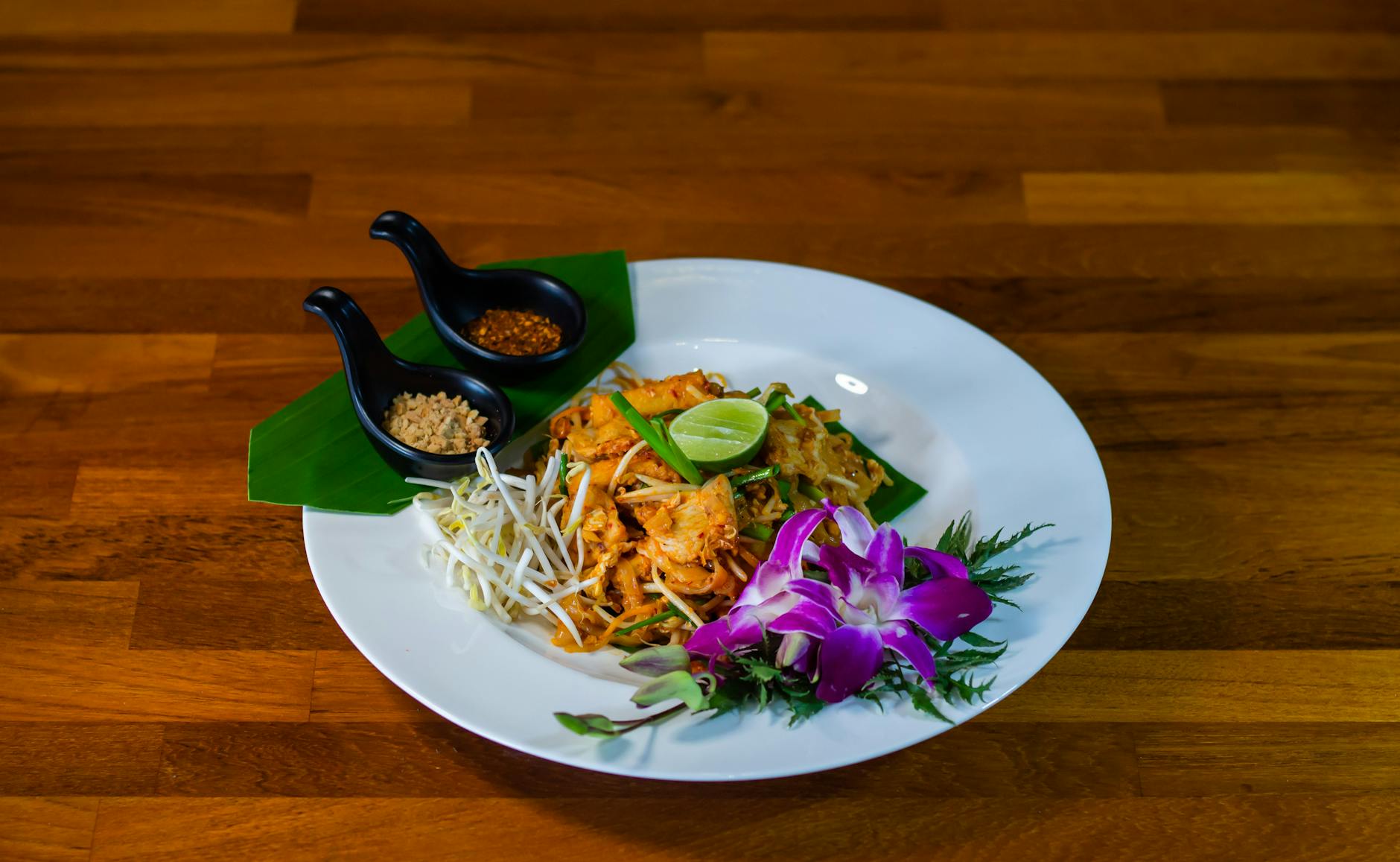
Ramen vs Pho vs Pad Thai vs Laksa: The Ultimate Asian Noodle Showdown
Asia’s Greatest Noodle Soups Face Off
These aren’t just bowls of food—they’re edible history. Tokyo’s ramen shops, Hanoi’s pho stalls, Bangkok’s pad thai carts, and Singapore’s laksa stands all tell stories through steam and spice. Four iconic dishes, countless regional variations, one delicious debate.
Broth: The Soul of the Bowl
Every great noodle soup starts with liquid gold. The differences? They’re deeper than you’d think.
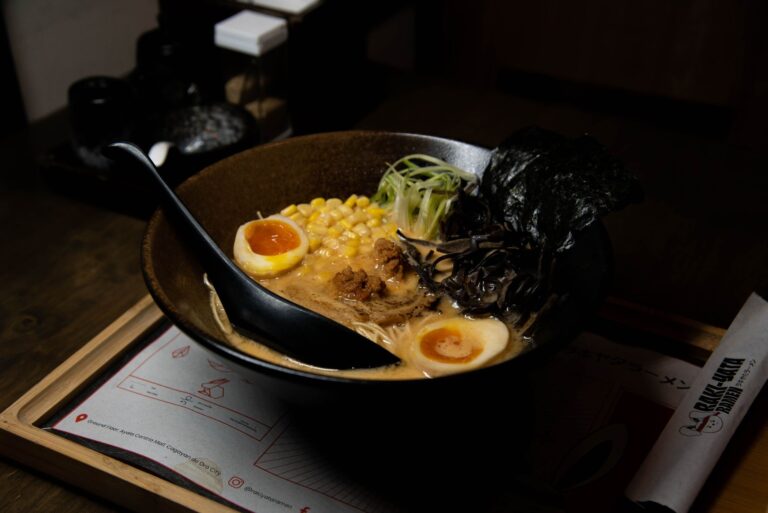
Ramen broth means business. Pork bones bubble for half a day minimum, turning the liquid creamy and rich. Some shops let it roll for 48 hours straight. The payoff? Umami that hits like a flavor truck.
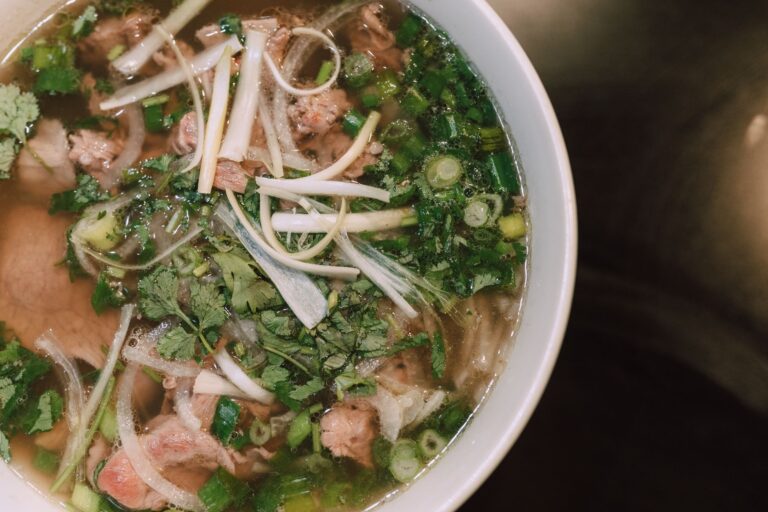
Pho broth plays it cooler. Clear, fragrant, and spiced just right—star anise and cinnamon do most of the talking. Beef bones get 8-12 hours to work their magic. It’s lighter than ramen, designed for mornings when you need clarity.
Pad thai sauce (let’s be real, it’s not really broth) brings the party. Tamarind’s tang, fish sauce’s funk, palm sugar’s sweetness—all fighting for attention in your wok. Messy? Maybe. Delicious? Always.
Laksa broth doesn’t whisper. Coconut milk smooths out the chili heat, but make no mistake—this curry-packed liquid means war. Turmeric stains everything yellow. Sambal brings the fire. No half measures here.
Noodles: The Unsung Heroes
Texture changes everything. Ramen noodles bounce. Pho noodles melt. Pad thai noodles char. Laksa noodles swim.
Ramen’s wheat noodles contain alkaline salts for chew. Pho uses flat rice noodles that practically dissolve. Pad thai prefers skinny dried rice noodles—sturdy enough for the wok’s abuse. Laksa goes two ways: thin vermicelli or egg noodles that hold their own against coconut onslaught.
Pro tip: Slurp ramen fast. Sip pho slow. Pad thai? Attack immediately. Laksa? Bring napkins.
Toppings Tell the Tale
What goes on top says everything about where it’s from.
Remen’s precise. A single ajitama egg, two chashu slices, one nori sheet—arranged like edible architecture. Pho gives you the reins. Pile on herbs, squeeze lime, drown it in sriracha if that’s your thing. Your bowl, your rules.
Pad thai comes with crunch—peanuts, bean sprouts, that weird dried shrimp you either love or hate. Laksa? More is more. Tofu puffs, hard-boiled eggs, fried shallots—they’re not garnishes, they’re necessities.
Who Wins? Trick Question
Comparing these is like rating sunsets. Ramen’s your midnight craving. Pho’s your morning reset. Pad thai’s that friend who always delivers. Laksa? Pure adventure in a bowl.
The real move? Try them all. Hit that 24-hour ramen joint. Find the pho spot that opens at dawn. Master pad thai in your own kitchen. Let laksa stain your favorite shirt. No wrong answers here.