Tokyo
Tokyo Bangkok
 Seoul
Seoul Singapore
Thit Kho: Vietnam’s Caramelized Pork Deserves Your Attention

Western diners obsess over pho and banh mi, but Vietnam’s real comfort food champion flies under the radar. Thit kho—pork slow-braised in caramelized sugar and coconut juice until it’s fall-apart tender—isn’t flashy or photogenic. It’s just stupidly good. The genius? It delivers deep, complex flavor without the all-day simmer or industrial-sized cookware most braises demand.
The Caramel That Changes Everything
Thit kho’s magic starts with what looks like a kitchen disaster. Sugar hits a scorching pan, turning into a dark, smoky caramel—none of that light golden stuff. This is the real deal: thick, fragrant, with a hint of danger. Pork shoulder chunks dive in, sizzling as they pick up that bittersweet crust. Shallots and garlic join the party. That caramel isn’t just color—it’s the flavor bomb that keeps the dish from tasting like candy.
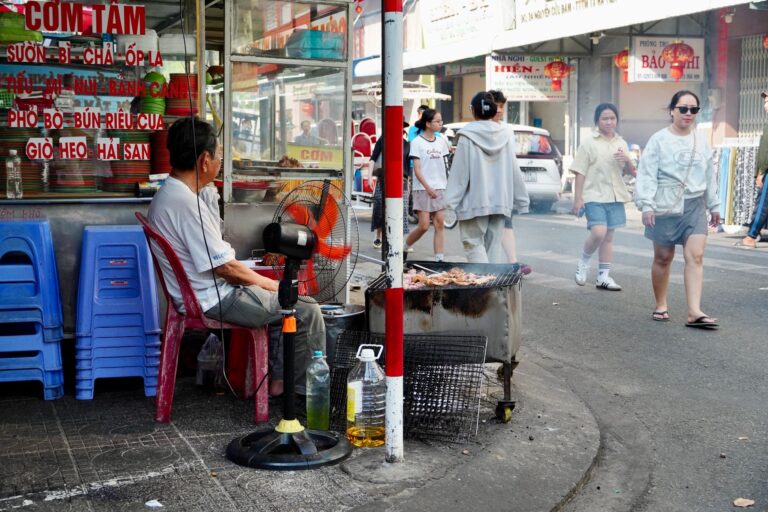
In Ho Chi Minh City’s District 3, where every corner joint serves thit kho, cooks know the caramel’s make-or-break moment. Too pale? Not enough depth. Too dark? Bitter mess. Once the pork’s seared, coconut juice (not milk) glugs in with fish sauce and maybe a star anise. Then it’s low heat until the pork turns spoon-soft.
Why Coconut Juice, Not Milk, Matters
This is where recipes go wrong. Coconut milk makes everything heavy and sweet. Thit kho needs the clear, slightly tangy juice from young coconuts—it brightens the dish instead of weighing it down. That’s why you can eat this weekly without feeling like you’ve overdone it. The sauce reduces to a sticky glaze, clinging to the pork without being gloopy. Fish sauce works its quiet umami magic. The flavors just…fit.
Some versions throw in hard-boiled eggs that soak up the sauce like sponges. Others add potatoes or daikon. Regional debates get heated—this is Vietnam’s answer to barbecue rivalries.
A Dish Built for Real Life
Pho needs a dozen components. Banh mi requires the perfect baguette. Thit kho? One pot, minimal fuss. It actually improves overnight, which is rare for Vietnamese food. The taste hits that sweet spot: not too spicy, not too plain, rich but not exhausting. All it needs is rice and maybe some greens.
Skip the home attempt at first. Order it at a legit Vietnamese spot. See how the pork shreds at a glance, how the sauce coats each bite. Then give it a shot—it’s hard to mess up, and it might just dethrone pho in your personal rankings.