Tokyo
Tokyo Bangkok
 Seoul
Seoul Singapore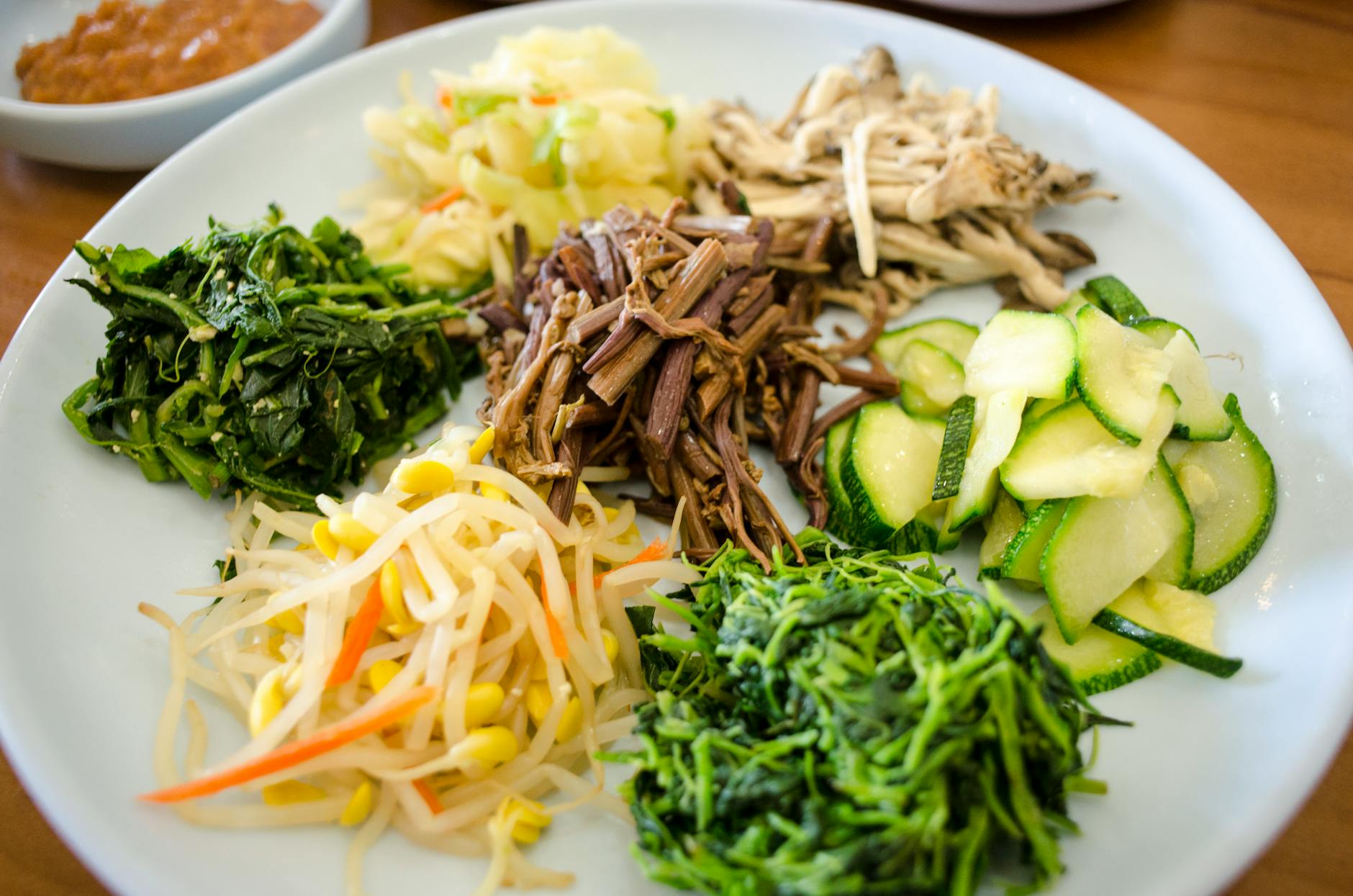
Why Korean Meals Come With 10 Tiny Dishes (And Why That’s Genius)
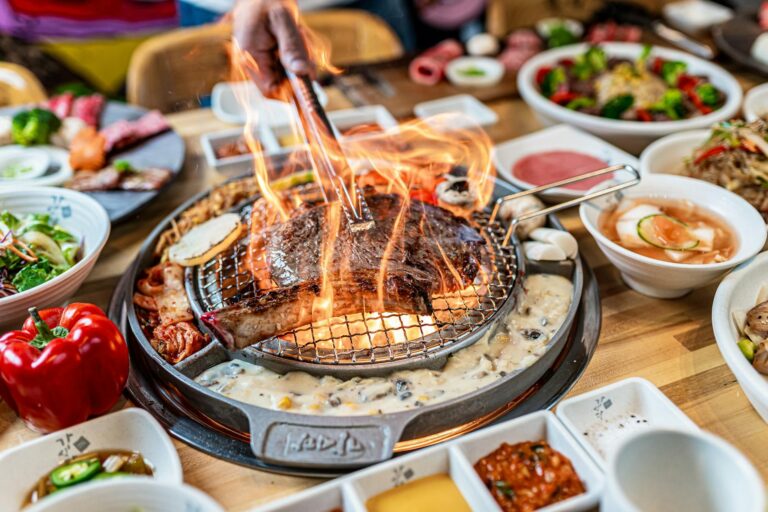
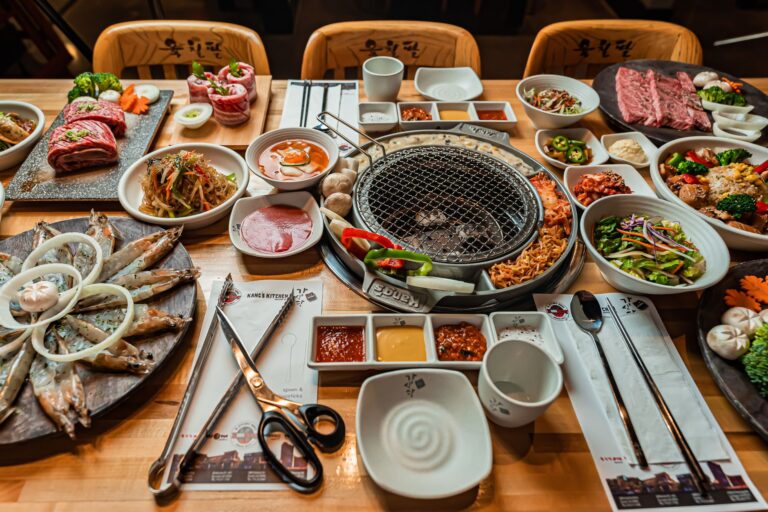
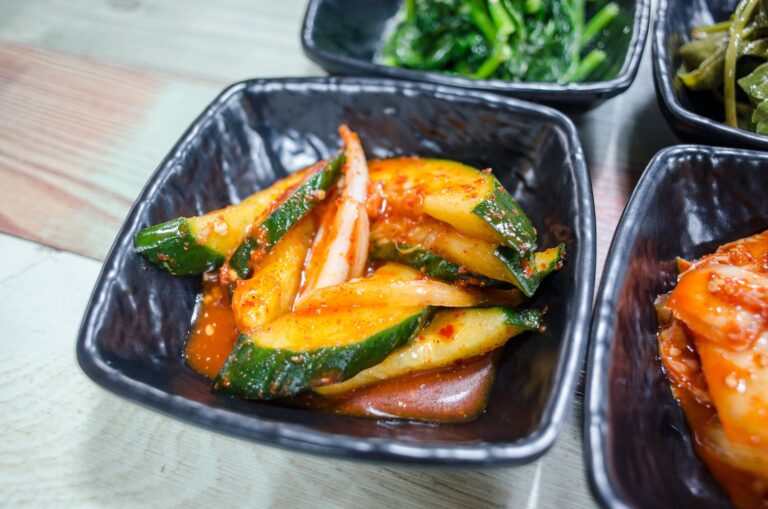
Korean meals don’t come on a single plate. They arrive as a whole spread—dozens of small bowls packed with kimchi, pickled veggies, seasoned greens, fermented pastes, and mysterious items you can’t quite place. This isn’t just showing off. It’s a smart system that makes Korean eating completely different from most other cuisines.
The Economics of Eating Small
Banchan—those free side dishes—started from necessity, not luxury. After the war, Korea couldn’t afford big meat portions, so cooks stretched meals with vegetables, fermented foods, and preserves that didn’t need fresh ingredients. Walk into any pojangmacha (street tent restaurant) in Myeongdong or fancy Gangnam spot, and you’ll see the system perfected: rice, one main dish, and anywhere from five to fifteen banchan. The trick? Portion psychology. You’re not getting less food—you’re getting more variety. A simple banchan like spinach (sigeumchi namul) or pickled radish (danmuji) adds texture and flavor without expensive protein. That’s how Korean spots serve full meals at prices that would shock Western restaurants charging $28 for one dish.
Flavor Complexity Without Complexity
Every banchan has a job. Kimchi brings heat and funk. Seasoned greens add earthiness. Soy-braised veggies pack umami. Salted fish gives mineral notes. It’s all planned. At Tosokchon Samgyetang near Gyeongbokgung Palace, their famous ginseng chicken soup comes with eight sides: fresh ginger, jujubes, garlic, perilla leaves, pickles. None overpowers the soup. Each one creates a different way to eat it. Try it plain, then wrapped in perilla, then with kimchi. Three meals in one bowl. Banchan also fix something Western meals ignore: flavor fatigue. After a few bites of anything, your taste buds get bored. Banchan shake things up. A bite of spicy kimchi wakes your mouth before you go back to the main dish.
Preservation Meets Practicality
Originally, Koreans preserved vegetables through fermentation and pickling because winters were harsh and fresh food disappeared. What started as survival became tradition. Today, even in summer, Seoul restaurants serve the same banchan rotation because it works—not because they have to. A Gangnam kitchen can prep banchan in big batches: bean sprouts (sukju namul), braised potatoes (gamja bokkeum), different kimchis that keep for days. This efficiency lets restaurants maintain quality while keeping prices low. The variety also means they can handle dietary needs without special orders. Vegetarian? Most tables have six to eight plant-based banchan already. The system adapts.
If your Korean meal doesn’t cover the table in small bowls, something’s off. This isn’t just for looks—it’s a practical way to eat that respects both your budget and your taste buds. Next time you’re at a Korean restaurant, pay attention to the banchan. They’re not just sides—they’re the real stars, just in smaller packages.