Tokyo
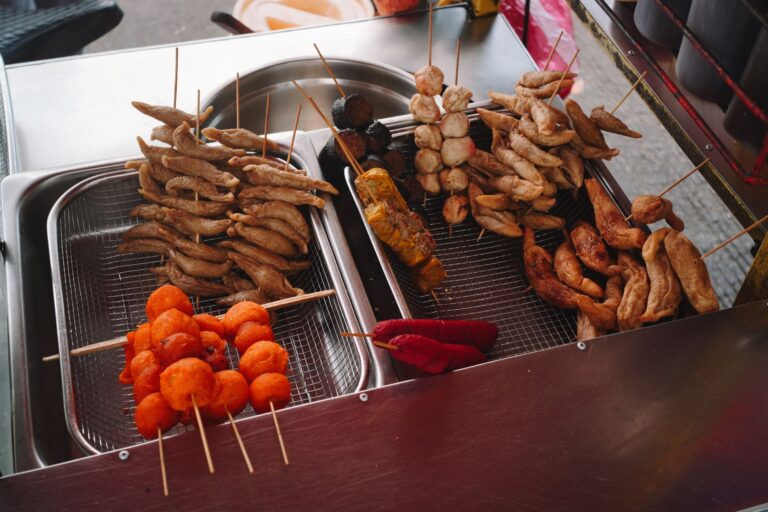
Tokyo Bangkok
 Seoul
Seoul Singapore
Seoul’s Best Pojangmacha: Where Street Food Meets Perfection
Why Seoul’s Pojangmacha Scene Owns Asia’s Street Food Game
Seoul doesn’t just have street food—it breathes it. Those glowing tent stalls called pojangmacha? They’re not just late-night snack spots. Office workers blow off steam here over soju and tteokbokki. Students hash out life plans at 2 AM between slurps of kalguksu. This is where Seoul’s real conversations happen. Unlike Bangkok’s orderly night markets or Singapore’s hawker centers, Seoul’s pocha exist in a delicious gray zone. No permits, no polish—just killer food and raw energy.
Seoul’s Top 5 Pojangmacha Right Now
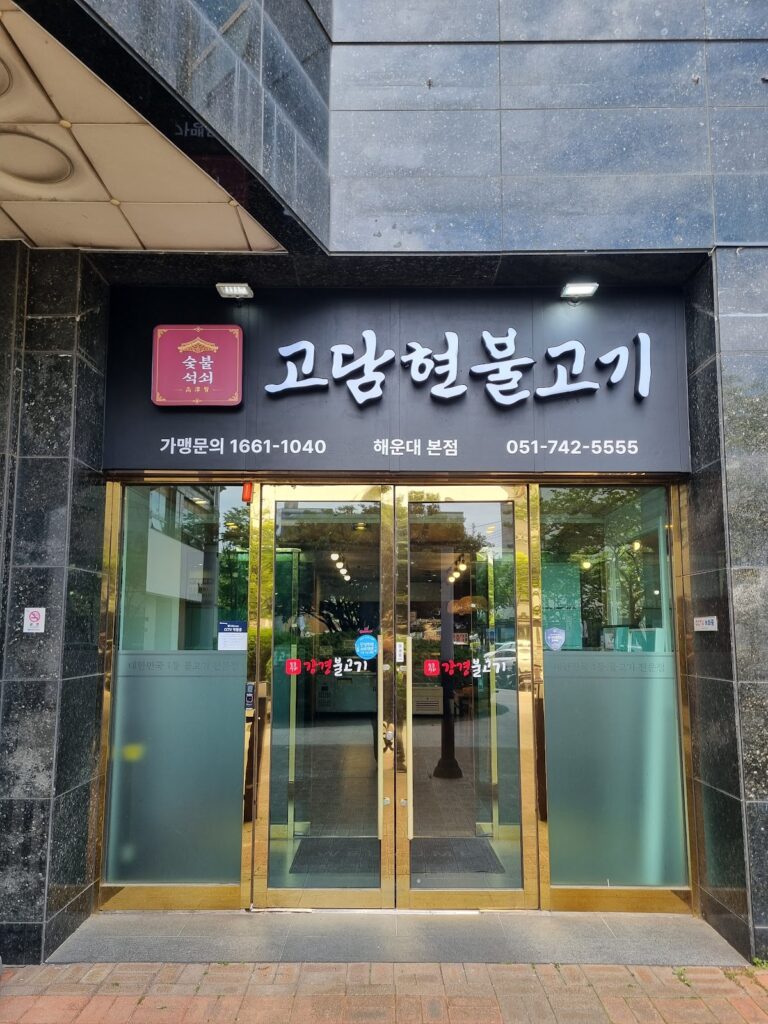
1. 벚꽃38 야장 포차 (Beotkkot 38 Night Pocha) — Geumcheon District | 5.0★ (30 reviews)
Find it at 32-37 Beotkkot-ro 38-gil. Thirty perfect ratings don’t happen by accident. The owner nails every order—no shortcuts. Night market pros know their crowd: perfect portions, drink pairings that hit right, food timed for when you actually want it. No frills, just flavor.
2. 동문포장마차 (Dongmun Pojangmacha) — Yangcheon District | 5.0★ (2 reviews)
Address: 목동 602-3번지. Only two reviews, but both flawless. In Seoul’s cutthroat pocha scene, that means locals love it enough to keep quiet. The kind of spot regulars protect fiercely.
3. Mapo Pocha Street — Mapo-gu | 5.0★ (1 review)
170-15 Yeomni-dong. A whole street of stalls flying under the tourist radar. One glowing review suggests you’ll be eating with neighbors, not tour groups. The real deal.
4. Donhwamun-ro 11-gil Pocha Street — Jongno District | 4.9★ (11 reviews)
Jongno’s sweet spot—accessible but not watered down. Eleven reviews averaging 4.9 stars means they’ve got rhythm. You’ll spot savvy travelers, long-term expats, and regulars who’ve been coming since dial-up internet.
5. 역전포장마차 영등포점 (Yeokjeon Pojangmacha Yeongdeungpo) — Yeongdeungpo District | 4.9★ (10 reviews)
11 Yeongdeungpo-ro 50-gil. A mini-chain that somehow keeps the soul intact. Near the finance district, so they’ve mastered feeding both suits and streetwise regulars.
Why Seoul’s Pocha Stand Apart
Bangkok’s street food feels permanent. Seoul’s pojangmacha? They thrive in the tension. Semi-legal, appearing like clockwork when the sun dips. That edge makes every bite taste more alive.
The menu plays different too. Bangkok vendors perfect one dish. Seoul pocha are equal parts kitchen and living room—tteokbokki, kimbap, soju all flowing together. The food’s just the excuse. You’re really here for the three-hour chats and fifth round of drinks.
Watch the crowd. Grandmas who’ve run stalls for decades share counters with young chefs testing new recipes. Bankers and construction workers elbow-to-elbow. No VIP sections here.
How to Pocha Like a Local
Time it right. Hit between 10 PM-midnight. Earlier: post-work chaos. Later: night owl vibes. Most don’t open until dusk—no lunch runs.
Cash only. Bring 50,000-100,000 won per person. Meals run 5,000-12,000 won, drinks 3,000-5,000 won.
Order without overthinking. Point at what looks good. Tteokbokki, kimbap, gyeran mari, plus soju or beer. Classics became classics for a reason.
Read the room. This isn’t fine dining. Share space. Chat if others are game. Busy? Eat, enjoy, then let the next group in.
Why This Belongs on Your Seoul List
Pojangmacha aren’t meals—they’re the city’s pulse. 벚꽃38 야장 포차 and those Jongno pocha streets? You don’t post them. You return until they know your usual. That’s when you’ve tasted real Seoul.