Tokyo
Tokyo Bangkok
 Seoul
Seoul Singapore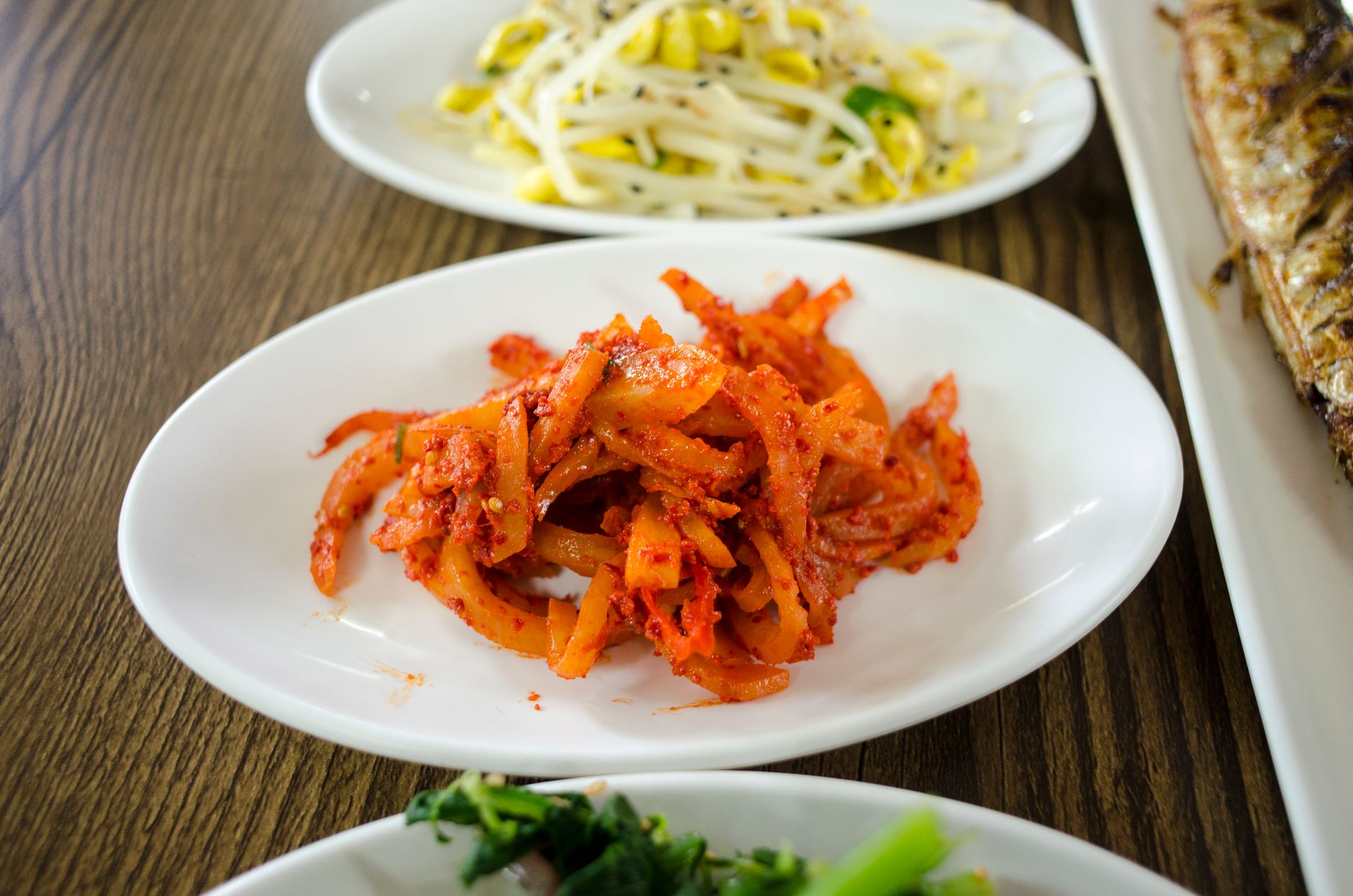
Bossam: Korean Boiled Pork Beyond the Restaurant Hype
Bossam might not win any awards for presentation, but that’s what makes it special. While tourists flock to fancy barbecue spots, locals cram into hole-in-the-wall joints late at night, wrapping juicy pork in crisp leaves and chasing it with soju. This isn’t fussy cuisine—it’s real-deal eating that brings people together.
From Peasant Food to Seoul Staple
Bossam started as peasant food during Joseon times, using every part of the pig the rich folks threw away. Heads, feet, organs—all boiled together with just enough seasoning to make it tasty. The name says it all: “bossam” comes from “bosda,” meaning to wrap, which is exactly how you eat it.
Everything changed in the 90s when Seoul restaurants put bossam on the map. What used to be street food suddenly got the restaurant treatment, especially in Hongdae and Gangnam. These days, places like Bossam Sikdang in Jongno-gu serve it proper—steaming pork delivered straight to your table with fresh leaves and rotating sauces.
How Korea’s Regions Do It Differently
Seoul’s version gets all the attention, but regional styles tell their own stories. Jeolla goes all-in on pork belly with spicy gochujang dip—none of that head meat nonsense. Busan throws in squid or shrimp like they’re making a seafood taco. Up in Gangwon’s mountains, they swap cabbage for wild greens you’ve never heard of.
The pork itself changes too. Country spots use fatty heritage breeds while city restaurants go for leaner cuts. Incheon mixes things up with both belly and head meat, just like you’d expect from a port city that’s seen it all.
The Right Way to Eat Bossam (Hint: It’s Messy)
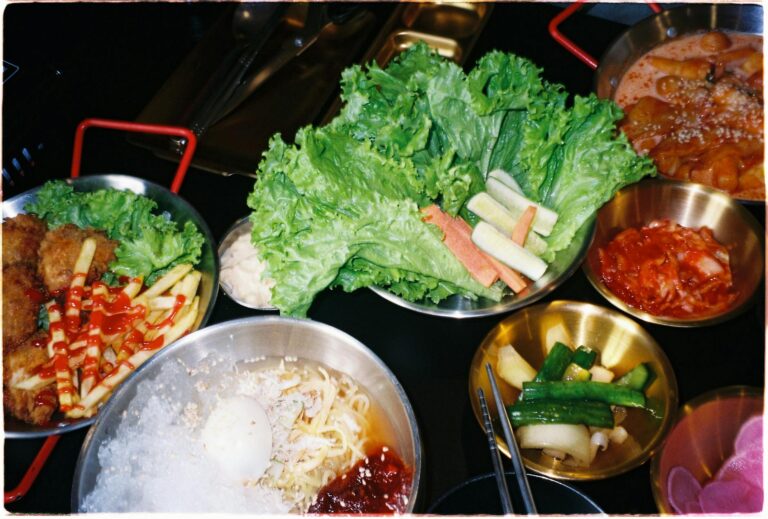
Forget dainty bites. Real bossam eating is grab-and-go. Tear the meat with your hands. Pile on whatever looks good—fatty pieces, chewy bits, crispy skin. The leaves are just there to hold everything together while you dunk it in sauce.
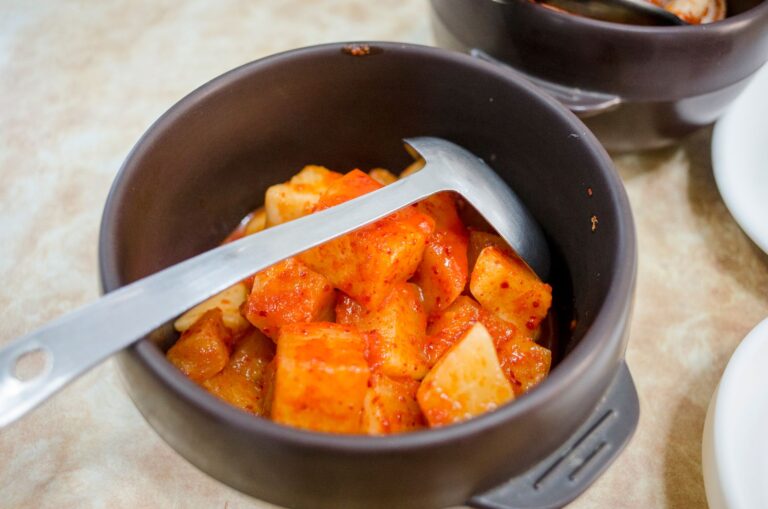
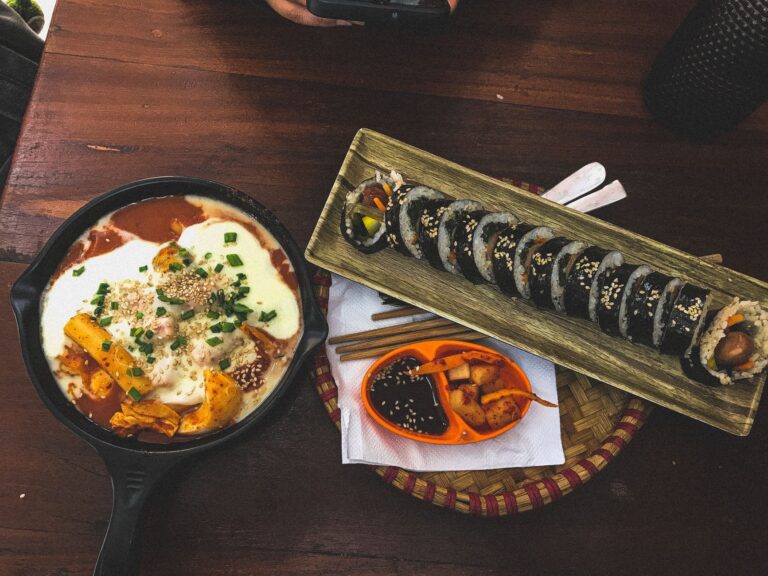
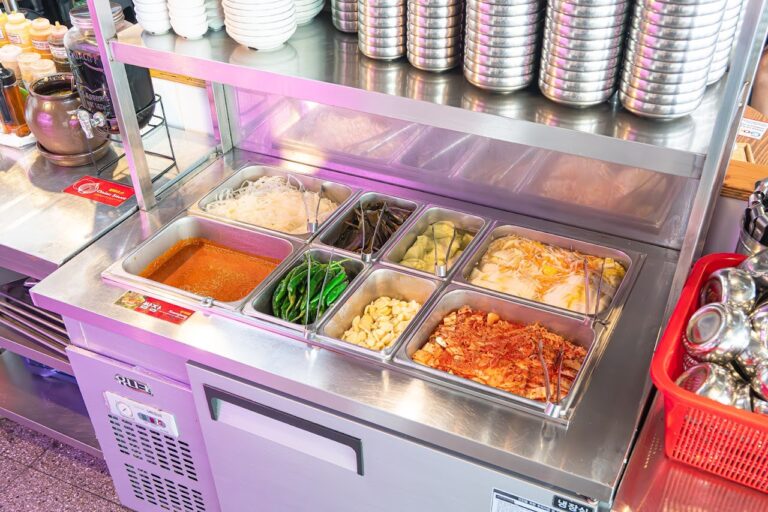
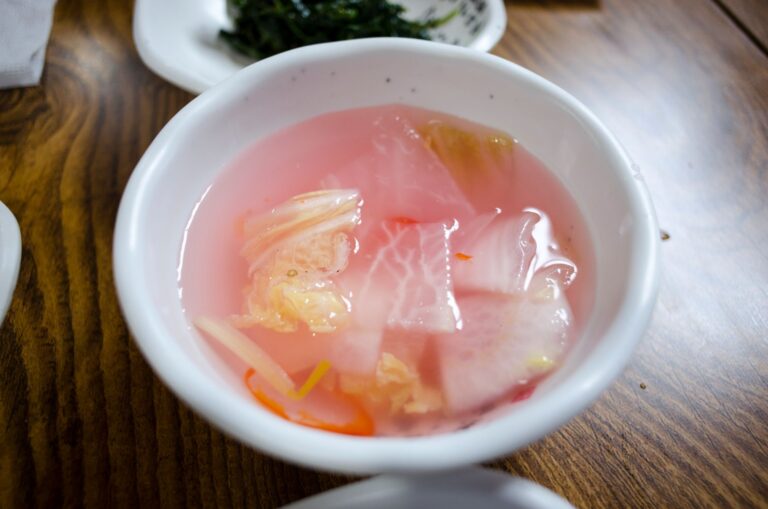
Side dishes aren’t afterthoughts—they’re crucial. Kimchi kicks things up, while soybean stew keeps things deep and savory. That pile of raw garlic? It’s not decoration. And drink soju or beer, because wine just can’t hang with this food.
Skip the tourist traps in Myeongdong. Hit a local joint in Hongdae or near Gangnam Station instead. Go for the head meat if they’ve got it—the cheeks and ears beat plain belly any day. Build your wrap fast, dip it deep, and eat it hot. This isn’t food for thinking—it’s food for living.