Tokyo
Tokyo Bangkok
 Seoul
Seoul Singapore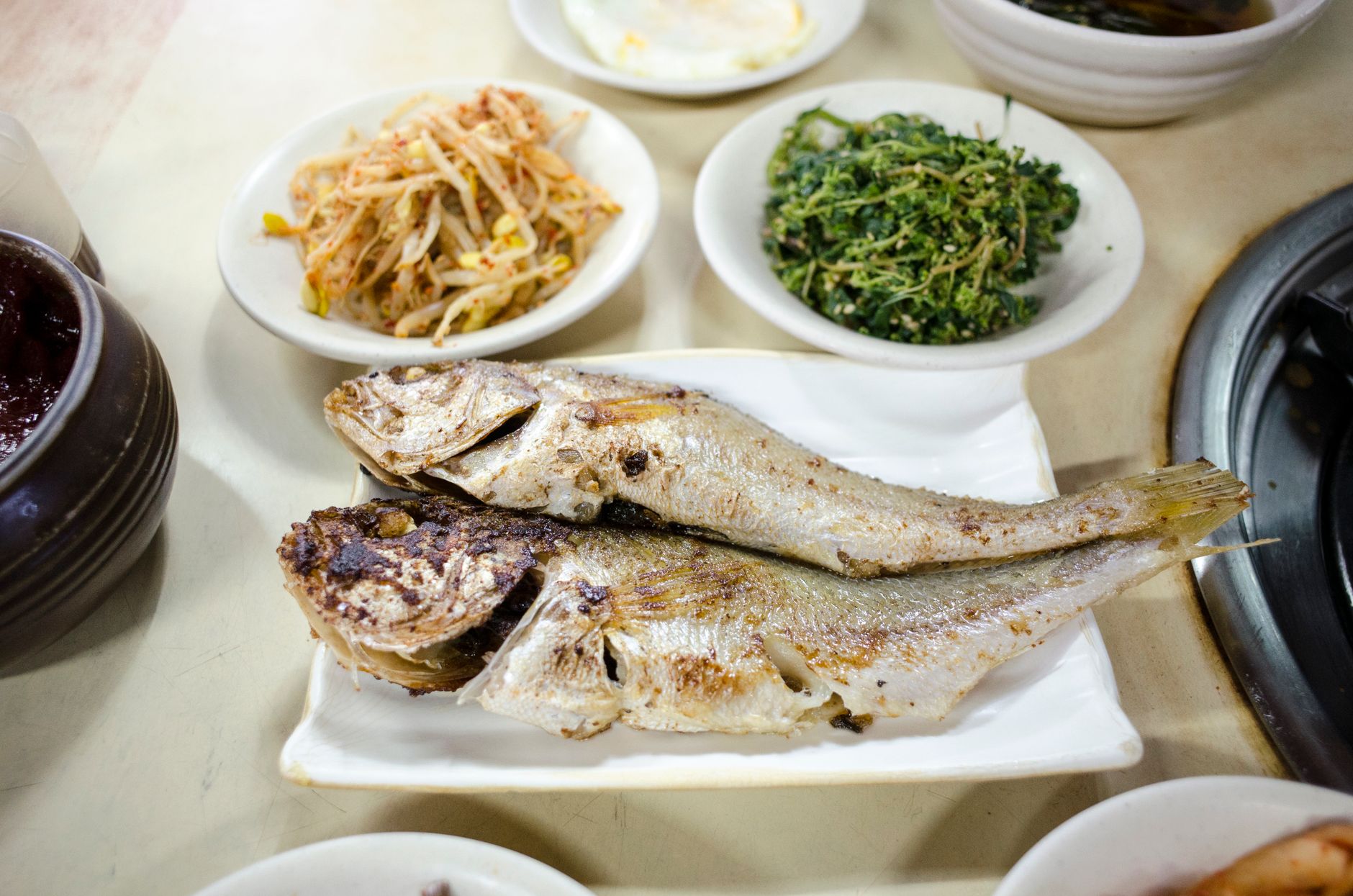
Korean Banchan: Why Every Meal Comes With 10 Small Dishes
A woman sits alone at a Korean restaurant in Seoul, ordering just rice and grilled fish. Minutes later, her table overflows: kimchi, spinach, radish, steamed egg, mushrooms, squid, bean sprouts, seaweed, soup, shrimp paste. None requested. All devoured. She pays for one dish.
This is banchan—those little side dishes that appear like magic at Korean meals. Not a performance. Not faux generosity. Pure logistics.
Banchan Works Hard
“Side dish” doesn’t capture banchan’s job. These small plates do triple duty: reset your palate, anchor flavors, and round out nutrition. Rice or meat alone feels incomplete. Add something sour, funky, crunchy, soft—now it’s a meal.
Count varies. Lunch spots serve three or four. Proper restaurants? Eight to twelve. Quality shows in freshness, not quantity. Limp kimchi, soggy veggies, store-bought sauce—red flags. Good banchan takes daily work. Morning-blanched greens. House-fermented items. Seasoning that makes you reach for more.
Banchan stays affordable because most are veg-based and batch-prepped. One big spinach batch covers dozens of tables. Costs pennies. Feels lavish.
Where Banchan Shines
Skip Westernized spots. Look for places where English menus feel like an afterthought. In London, hit Koba in Holborn or Jjim in Fitzrovia. New York? Flushing’s Main Street between 37th and 41st Avenue. Sydney? Strathfield’s Korean joints.
Order cheap. Braised ribs. Stew. Grilled fish. Watch the spread arrive. Don’t overthink it—just eat. Banchan explains Korean dining better than words. Notice how nothing dominates. Everything complements. Rice, then meat, then kimchi, then rice. The dance between dishes matters more than any single one.
The Rules No One Says Out Loud
Finish some banchan. Leave some. That’s normal. Empty bowls can seem desperate or rude—like portions were skimpy. Western guilt about “wasting” uneaten banchan? Unnecessary. You’re doing it right.
Refills? Standard. Kimchi gone? Signal for more. Restaurants plan for this. Something tastes off? Send it back—no fuss. They’ll swap it.
Truth is, banchan isn’t fancy. It’s how Korean places feed you well without breaking the bank. Like bread baskets, but actually nutritious.
Try This Next Time
Order one main. Let banchan happen. Eat slow. Don’t analyze. Just notice how each bite changes the last. That back-and-forth? That’s the point.