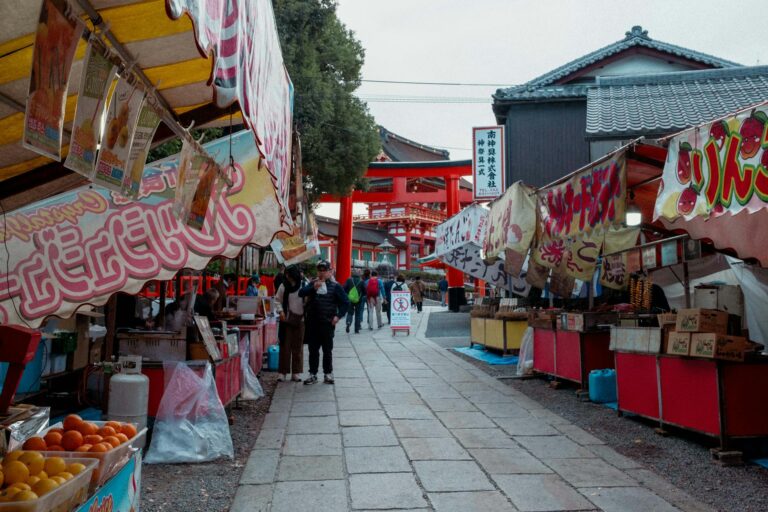
Tokyo
Tokyo Bangkok
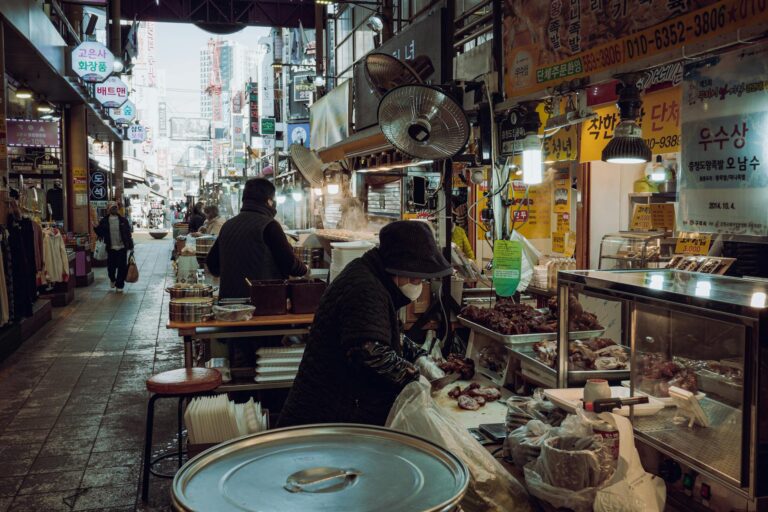
 Seoul
Seoul Singapore
Best Asian Food in Toronto: Korean, Japanese, Thai, Vietnamese
Toronto’s Asian food scene has leveled up—no longer just strip-mall takeout, but holding its own against Vancouver and San Francisco. The trick? Neighborhoods matter as much as the dishes.
Koreatown Is Where Korean Food Gets Serious
Bloor West between Christie and Bathurst feels like Seoul dropped into Toronto. This isn’t some tourist zone—it’s where Korean families eat. Restaurants here don’t soften flavors for outsiders. Expect bold fermented sides, unapologetic offal, and soups that might take some getting used to.
Jungsik nails the details: hand-folded pork-and-kimchi dumplings, perfectly grilled meats, kimchi jjigae that tastes like generations of refinement. But Gyu-Kaku steals the show. Cook marinated short ribs and pork belly right at your table. Their galbi marinade? Sweet, salty, sesame-packed perfection.
Little Tokyo Delivers Precision and Restraint
Spadina between Dundas and College packs in Tokyo-quality eats. Where Korean food shouts, Japanese whispers—it’s all about knife skills and pristine ingredients.
Rikishi’s tonkotsu broth simmers for 18 hours minimum. Creamy, porky, lightyears beyond instant ramen. At Katsutori, chicken skewers get the royal treatment: salty charred thighs, barely-cooked livers, crackling skin. Then there’s Sushi Masaki Saito. No menu, just omakase. The chef picks the day’s best fish and crafts each piece like jewelry. Pricey? Yes. Mind-blowing? Also yes.
Thai Food in Toronto Remains Underexplored by Most Visitors
Most guides miss this. Tourist crowds go for pad thai on Spadina, but real Thai flavors hide elsewhere. Sukhothai on Bloor West balances lime, fish sauce and chili properly—no dumbed-down sweetness. Their larb? Warm, herby, crunchy with toasted rice. Then there’s Khao Man Gai Pratunam. One dish only: poached chicken over rice with ginger sauce. Simple. Perfect. The Thai equivalent of pho done right.
Vietnamese Food Clusters Around Spadina and Kensington
Pho Hung’s broth tastes like it’s been brewing since the 90s (probably has). Bánh Mì Boys nails the sandwich formula: crisp baguettes, tangy pickles, rich pâté, fresh jalapeños.
Here’s the truth though: Toronto’s Vietnamese scene can’t match Montreal or Ottawa. Some spots have closed. Others went fusion. Treat it as a preview—get decent pho here, then book flights to Vietnam.
The Actual Insider Move
Skip the food tours. Call ahead. Korean joints rotate offal specials. Japanese spots change fish daily based on deliveries. Thai kitchens adapt to ingredient availability. Toronto’s best Asian eats come from places that operate like real restaurants, not tourist attractions.
Start at Gyu-Kaku. Experience Korean barbecue as communal dining, not just food. Then explore from there.