Tokyo
Tokyo Bangkok
 Seoul
Seoul Singapore
Best Authentic Asian Food in New York: Korean, Japanese, Thai, Vietnamese
New York’s best Asian food isn’t where you’d expect. Forget fancy downtown spots—the real action happens in neighborhoods where immigrant communities actually live. We’re talking flawless ramen, pho with broth that’s been simmered for days, and Korean BBQ that puts Manhattan to shame. These places often look unassuming, with menus in their native languages and zero Instagrammable decor. That’s how you know they’re legit.
Korean Food: Flushing Queens Has Surpassed Koreatown
Manhattan’s Koreatown had its moment. Now, Flushing is where it’s at. Walk down Murray Street and you’ll pass more top-tier Korean spots in two blocks than you’d find in all of Midtown. Why? Three massive Korean grocery stores within spitting distance. Restaurants here get daily deliveries—no week-old gochugaru losing its kick. At Mapo Galbi, the galbi gets that perfect crust because they know exactly how hot the grill should be. Their doenjang jjigae uses aged soybean paste that tastes like it’s been brewed in someone’s backyard. Kang Suh, right across the street, proves good food doesn’t have to cost a fortune.
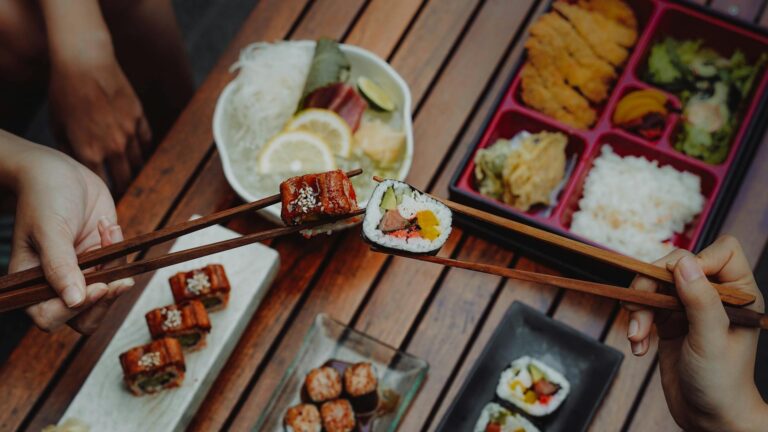
Japanese Food: Astoria’s Japanese Enclave Beats Manhattan
Astoria has something Manhattan can’t touch: 15,000 Japanese residents keeping traditions alive. Sushi Yasaka gets fish straight from Tsukiji—three times a week. Their uni comes from one Hokkaido fisherman, not some random distributor. That matters when you’re dealing with something as finicky as sea urchin. Over at Ramen Shack, the tonkotsu broth simmers for 18 hours minimum. You can taste the difference in every slurp. The owner trained in Fukuoka, and it shows in the way the fat melts into the broth like liquid gold.
Thai and Vietnamese: East Village and Chinatown Remain Competitive
Most Thai places in New York tone things down for American tastes. Not Larb Ubol. Their larb will knock you sideways with real Thai chilies—none of that jalapeño nonsense. The heat hits different here. For pho, Pho Grand does it the hard way: 12-hour bone broth with charred onions that add serious depth. Skip the places cutting corners with four-hour broths—this is the real deal.
The Honest Truth: Authenticity Requires Accepting Unfamiliar Service Models
Here’s the thing: the best spots don’t operate like American restaurants. In Flushing, servers won’t hover. Ramen joints want you in and out fast. Pho shops are all about turnover, not candlelit dinners. That’s not bad service—it’s how things work where these foods come from. Lean into it. Hit Mapo Galbi after 6 p.m. when the locals show up. Watch your galbi sizzle, taste the difference fresh ingredients make, and see why Flushing owns the Korean food scene now.