Tokyo
Tokyo Bangkok
 Seoul
Seoul Singapore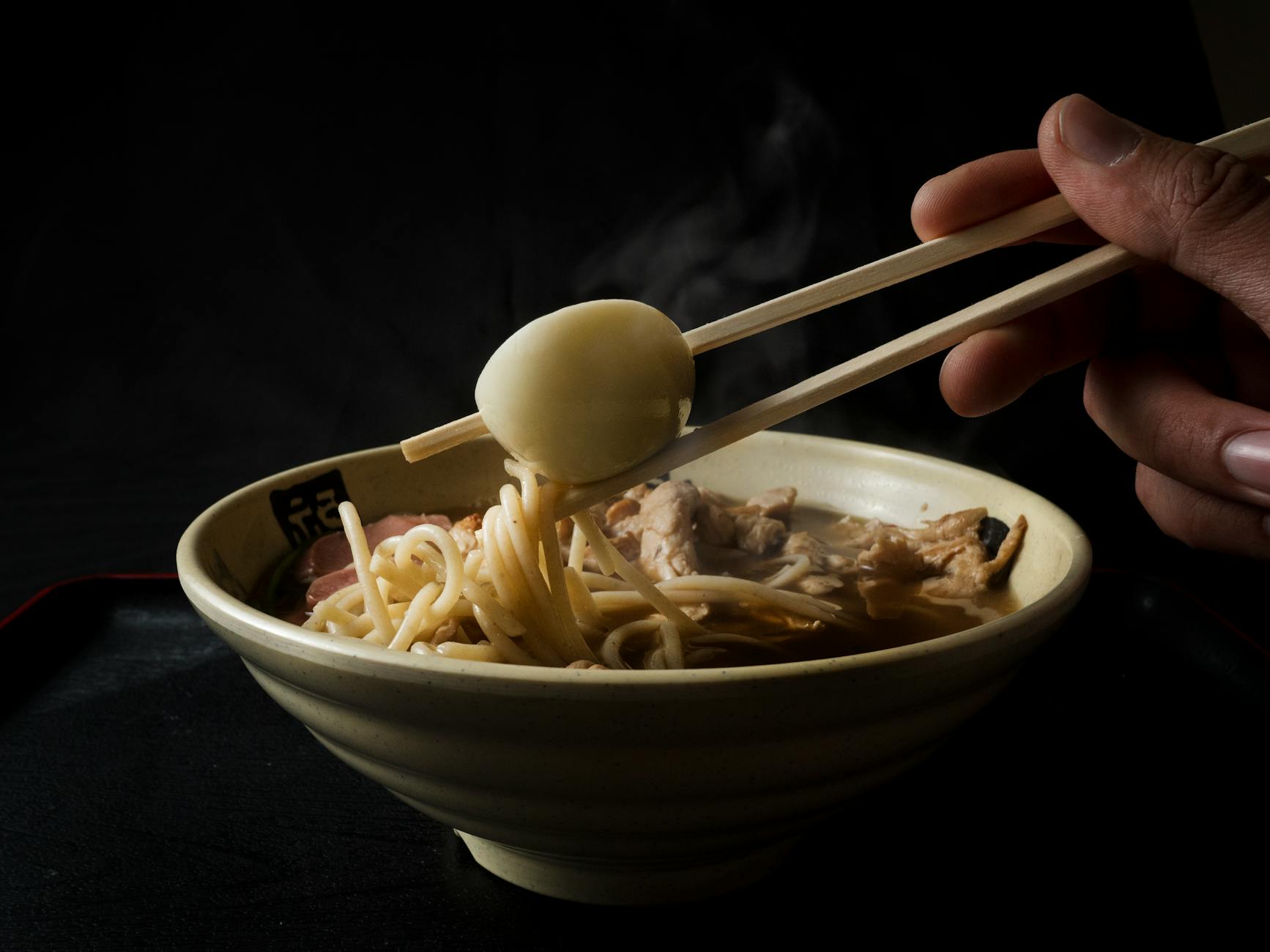
12 Essential Ramen Shops in Tokyo: Ichiran, Fuunji & Beyond
Ramen feels like it’s been Japan’s go-to dish forever, but the real story is more recent—and unexpectedly tied to the West. Chinese immigrants introduced wheat noodles in the early 1900s, yet ramen only took over after WWII when American GIs came home obsessed with the bowls they’d eaten overseas. Now Tokyo’s ramen scene stands toe-to-toe with any food capital worldwide, complete with regional specialties, broth fanatics, and shops where people happily wait in hour-long lines. For a proper Tokyo ramen crawl, three names always come up: Ichiran, Fuunji, and Nakamura.
Ichiran’s Tonkotsu Revolution in Fukuoka-Style Territory
Ichiran runs like a well-oiled ramen machine. What began as one Fukuoka shop in 1985 now dominates Tokyo with multiple locations, all serving identical bowls. Their tonkotsu broth—pork bones simmered for 18+ hours—comes out creamy and rich without weighing you down. The noodles bounce just right thanks to a secret flour blend, paired with chashu pork so tender it melts. What sets Ichiran apart? Solo dining booths where you order via machine and eat distraction-free. Even their gyoza shine—crispy bottoms, juicy pork-chive filling. Shinjuku and Shibuya locations are handy, but every Ichiran delivers the exact same experience on purpose.
Fuunji’s Shoyu Mastery and the Tsukiji Connection
Fuunji nails classic Tokyo shoyu ramen. Near Tsukiji Outer Market, this spot built its name on deep, savory broths mixing chicken bones, kombu, and dried shiitakes. The chef spent years tweaking the soy sauce balance—too much kills the subtlety, too little misses the point. Their ramen features thin, curly noodles that hold up in broth, topped with marinated eggs, bamboo shoots, and nori. Fuunji adjusts with the seasons: heartier broths in winter, lighter versions when it’s hot. Being steps from the fish market means daily fresh ingredients—you can taste the difference. Lines form fast at lunch, but they move quick.
Nakamura and Tokyo’s Miso Ramen Heritage
Nakamura in Ikebukuro does miso ramen right. Their broth blends pork tonkotsu with red and white miso—sweet, savory, and complex. The noodles are thicker with waves to cling to the rich liquid. Quality shows in every detail: fresh corn, crisp bean sprouts, chashu from a specific Nagano farm. Sit at the counter watching the kitchen work; the chef often chats regulars about noodle preferences. Miso ramen hits the sweet spot—not as heavy as pure tonkotsu, more substance than shoyu. Nakamura’s version isn’t trendy or flashy, just damn good ramen that honors tradition without being stuck in the past.
Tokyo has endless ramen joints, but Ichiran, Fuunji, and Nakamura show three different approaches: Ichiran’s clockwork precision, Fuunji’s layered umami, Nakamura’s balanced depth. Try all three at different times—ramen changes flavor from lunch to late-night. Bring cash (many spots don’t take cards), come hungry, and focus on eating rather than photographing.