Tokyo
Tokyo Bangkok
 Seoul
Seoul Singapore
Doenjang Jjigae: Korean Soybean Stew Guide & Regional Secrets
Doenjang Jjigae Is the Opposite of Instagram Food—and That’s Why It Matters
Doenjang jjigae isn’t blowing up on TikTok. It’s brown, unassuming, and tastes like something your grandmother would simmer in a clay pot before sunrise. That’s what makes it essential to Korean cuisine. This soybean paste stew shows up on Korean tables at least three times a week. It’s cheap. It solves hunger. And if you’re eating it wrong, you’re missing the point entirely.
The stew centers around doenjang—fermented soybean paste that’s been a staple in Korean kitchens for centuries. It’s the quiet hero of Korean cooking. Throw in vegetables, tofu, maybe seafood or meat, and crack an egg at the end. The result? Savory, packed with umami, and refreshingly straightforward. A good bowl should feel like it was made with just a few ingredients and a lot of patience, not fancy skills.
What Separates a Real Doenjang Jjigae From the Tourist Version
The key to great doenjang jjigae? The paste. Supermarket doenjang tastes bland and salty—like a missed opportunity. The real deal, made by Korean families or small producers, has layers of flavor: funky, a touch sweet, deeply savory. If it tastes flat, the paste isn’t right.
Another sign of quality: less is more. Bad versions pile in too many ingredients. Good ones keep it simple—paste, broth (often anchovy-based), tofu, one green veggie (zucchini, spinach, or perilla leaves), and sometimes clams or anchovies. The stew should taste like the paste, not a vegetable overload. The broth should be clean, letting the paste shine. And that egg? Add it at the end, barely cooked and still runny.
Heat is crucial, too. Doenjang jjigae should hit your table bubbling in a stone bowl (ttukbaegi). If it’s lukewarm, it’s already lost. The heat keeps the flavors vibrant and lets you control how much the egg cooks.
Where and How to Actually Eat This Like Someone Who Lives Here
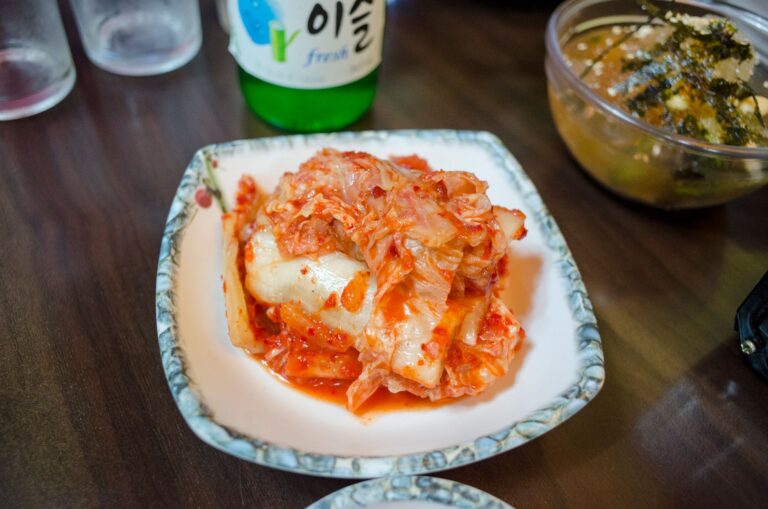
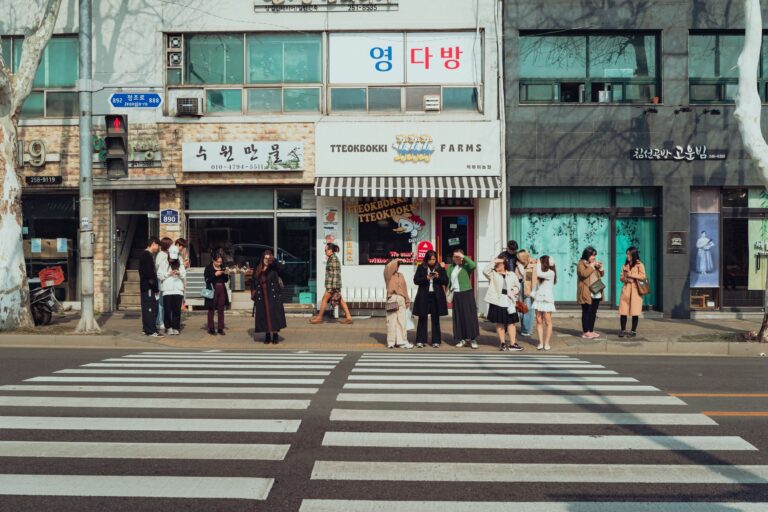
In Seoul, forget the tourist traps. Go to Jongno-gu or Mapo-gu, where lunch crowds are full of locals, not influencers. Look for spots with no English menu and a line at noon. A proper doenjang jjigae place serves it with banchan (side dishes): kimchi, seasoned spinach, maybe some radish. The stew costs 6,000-8,000 won (about $5-6 USD). You’ll eat it fast and leave satisfied.
Regional differences matter. In Jeolla Province, doenjang jjigae often includes more seafood—clams, shrimp, sometimes octopus. In Seoul and Gyeonggi, it’s simpler: tofu, zucchini, maybe some meat. In Gangwon Province, mountain vegetables like wild greens make an appearance. Each version fits its region, using what’s available and what locals love.
If you’re not in Korea, skip the trendy fusion spots. Look for a grandmother-run Korean restaurant. They serve the real deal because they’re cooking what they grew up eating. Ask for doenjang jjigae and specify: with seafood or without. Most places will make it fresh when you order.
The Thing No Travel Guide Mentions: Doenjang Jjigae Is Breakfast Food
Here’s something surprising: Koreans eat this for breakfast. Not lunch or dinner—breakfast. A bowl of doenjang jjigae with rice and kimchi at 7 a.m. is totally normal. It’s warm, protein-packed, and wakes you up. This isn’t a special-occasion dish. It’s what you eat when you’re hungry and in a hurry.
This changes how you should approach it. You’re not looking for complexity or flair. You’re looking for comfort, salt, heat, and something filling. Eat it fast. Eat it hot. Eat it with rice. Don’t overthink it.
Find a Korean restaurant that serves breakfast—they’re around in most cities with decent Korean communities. Order doenjang jjigae and a bowl of rice. Try to eat it before 9 a.m. That’s the closest you’ll get to eating like a Korean.