Tokyo
Tokyo Bangkok
 Seoul
Seoul Singapore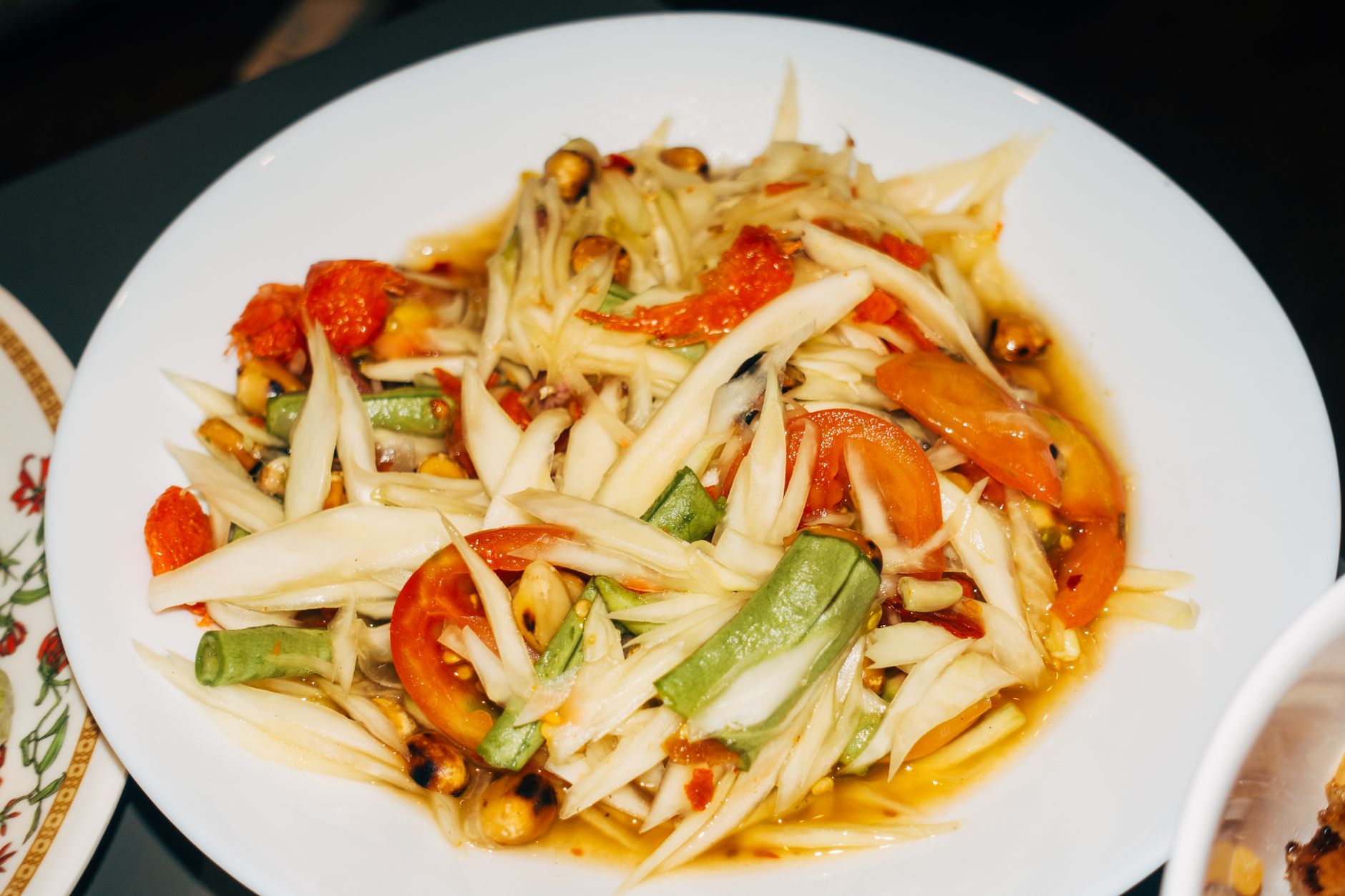
Thai Palace Cooking Built Your Restaurant Menu
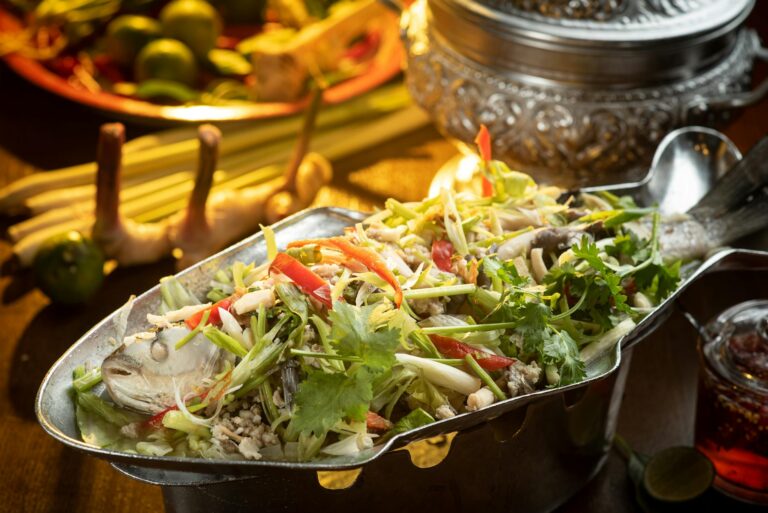
Thai food isn’t what you think. The dishes that took over menus in London, Sydney, and New York didn’t start in some humble street stall. They were perfected in royal kitchens, then passed down by chefs who cooked for kings before they ever served the public. This isn’t just food history—it’s why your favorite curry tastes the way it does.
How Palace Chefs Built the Thai Menu
Royal Thai cuisine took shape during the Ayutthaya era (1351-1767), but it really came into focus under the Chakri Dynasty after 1782. Palace kitchens weren’t playing around. Every cut, every simmer, every garnish had to reflect the king’s power. Chefs nailed down exact balances of heat, sour, salty, and sweet—the same flavors we now call “Thai food.”
Here’s the thing: that killer dish at Kin Khao in San Francisco or Nahm in Bangkok? It started in a palace. Chefs spent years grinding curry pastes just right, timing stir-fries to the second, matching fish sauce to herbs. When Thai restaurants went global in the 60s and 70s, the chefs running them often had royal training—or learned from someone who did. Even the menu order (curries first, stir-fries next) follows palace rules, not street food chaos.
Spot the Real Deal
Not all Thai restaurants play by the same rules. The best ones usually have chefs with serious palace or fine-dining chops. Take Nahm in Bangkok (yes, it has three Michelin stars, but ignore that). Chef Pim Sukollawat’s grandma cooked for royalty. Their curries don’t just taste good—they’re layered. Hand-pounded pastes. Exact heat levels. Flavors that don’t mush together.
In London, Farang and Smoking Goat get it right. Their som tam? The lime and fish sauce balance hits differently when the chef knows their stuff. Sydney’s Chat Thai has stayed solid for years because they respect the basics. Order the gaeng phed (red curry) or pad thai. Simple dishes, but they’ll tell you everything about the kitchen’s skills.
Sure, you’ll find amazing $3 bowls at some back-alley stall. But even that cook learned from someone who learned from a palace-trained chef. The difference between cheap and pricey? Often just training and consistency.
The Western Twist (And Why It’s Okay)
Let’s be real: your local Thai spot isn’t serving palace food. When Thai restaurants hit London and New York in the 70s, chefs adjusted. Less heat. Cream in curries (not traditional, but it worked). Plates that looked pretty instead of rustic. That’s not failure—it’s survival.
So no, your pad thai in Manchester won’t taste like Bangkok’s. Both are valid. One’s a translation. But palace training gave chefs the rules to bend without breaking. Without that foundation, you get bland, unbalanced messes.
Try This
Grab a gaeng phed (red curry) from two Thai spots in your city—one fancy, one casual. Taste them side by side. The difference isn’t just spice. It’s how the flavors hold together. That’s centuries of palace technique, still shaping your dinner.