Tokyo
Tokyo Bangkok
 Seoul
Seoul Singapore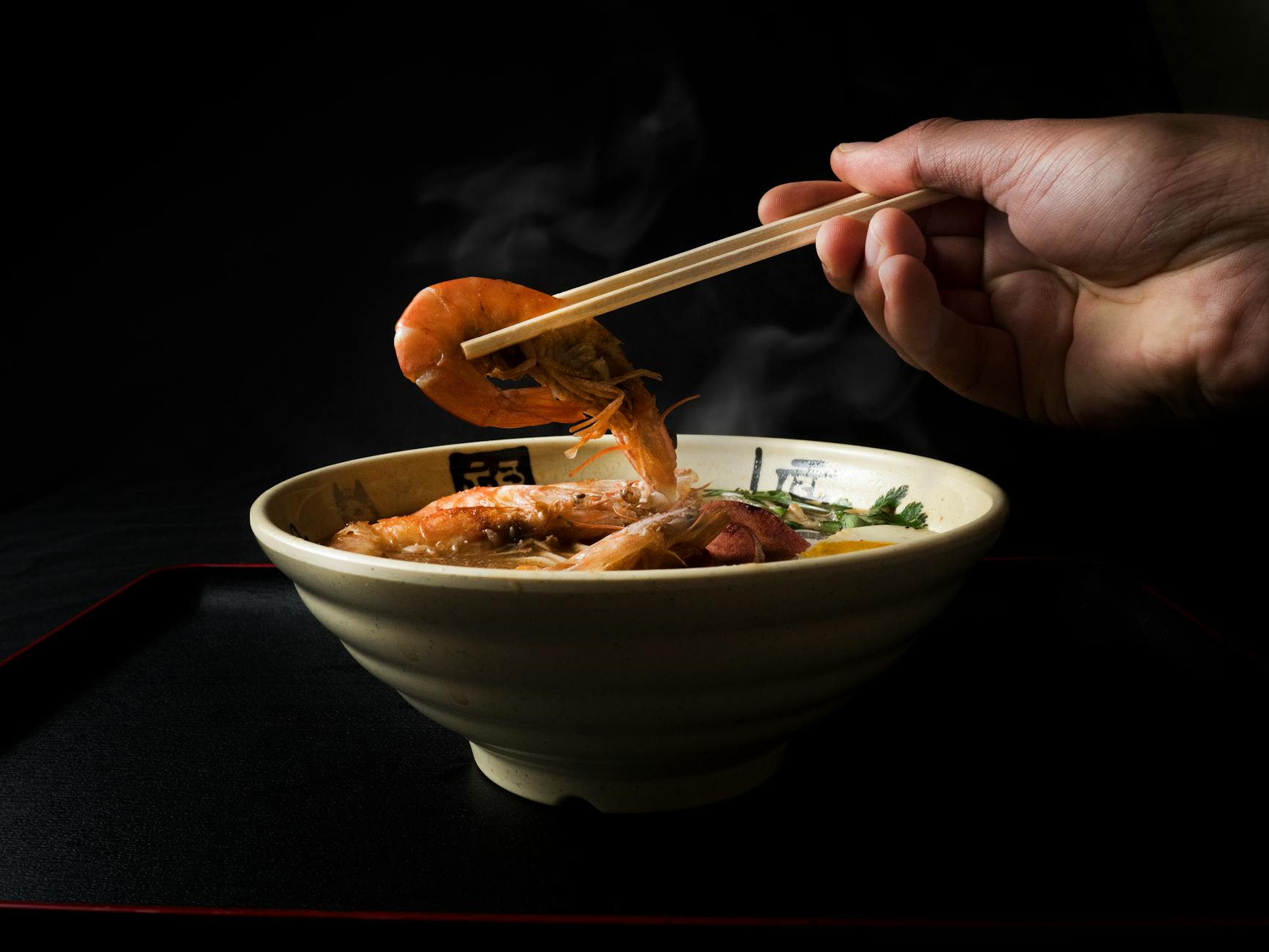
Make Tonkotsu Ramen at Home: The Real Japanese Recipe
The rich aroma of tonkotsu broth bubbling in a Fukuoka ramen shop at dawn explains those early morning lines. That potent mix of pork fat, bone marrow, ginger and garlic lingers in memory. Store-bought stock can’t replicate it. Authentic tonkotsu demands patience.
The Bone Broth That Makes or Breaks It
Tonkotsu stands or falls on its broth. My first attempt tasted like weak pork tea. Wrong bones, wrong approach.
Gather pork neck bones, leg bones and trotters—about 5 pounds total. Have the butcher crack them first. Cover with cold water, boil hard for 5 minutes. Drain and rinse thoroughly. This step removes impurities that cloud flavor.
Return bones to a clean pot with 4 liters water, two 2-inch ginger chunks (smashed, skin on) and one halved garlic head. Maintain a vigorous simmer for 12 full hours. Not 6, not 10. Collagen needs time to transform into that signature silky texture. Tokyo shops start batches overnight. Strain through cheesecloth, then a fine sieve. Expect roughly 3 liters of creamy, pale broth.
Tare, Toppings and Assembly
Broth alone isn’t enough. Tare—the flavor-packed base—makes the difference. Combine 200ml soy sauce, 100ml mirin, 50ml sake, 4 minced garlic cloves and 1 tbsp minced ginger. Simmer 10 minutes until reduced and fragrant. Use 150ml per bowl.
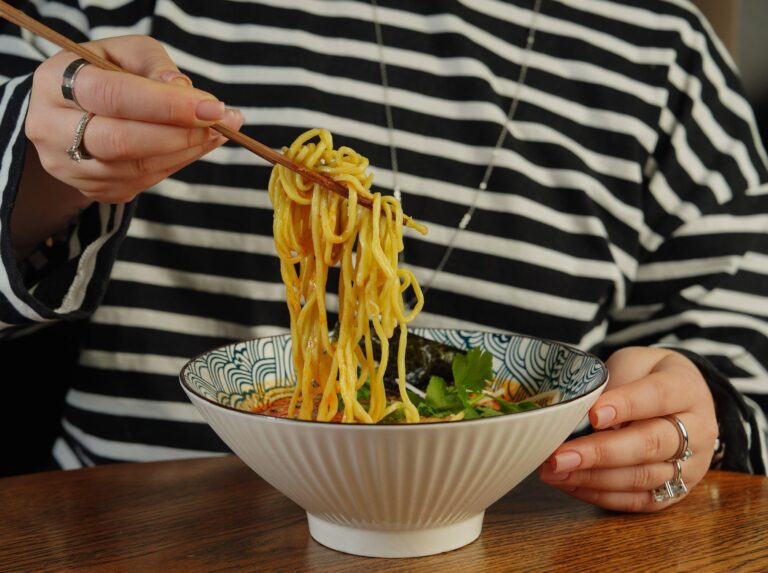
For noodles, seek fresh or frozen Hakata-style ramen. Dried varieties won’t cut it. Fresh cook in 90 seconds; frozen take about 2 minutes.
Toppings elevate everything. Essential: 6-minute eggs, thin chashu pork slices, pickled ginger, scallions, nori. Make chashu properly—braise a 2-pound pork belly in soy-mirin-sake-ginger mix for 2.5 hours at 300°F before slicing.
The Details That Separate Good from Great
Temperature control is crucial. Broth must be piping hot when served. Warm bowls with boiling water first—empty just before filling.
Assembly order: tare first, then noodles, then broth. Prevents clumping. Arrange toppings immediately so heat softens the egg and warms the pork.
Don’t fear the fat. Proper tonkotsu has a visible fat layer. If yours looks lean, you haven’t extracted enough collagen. That fat carries the flavor.
Homemade tonkotsu isn’t cheap. Tokyo shops charge about 900 yen per bowl. But making it yourself reveals why—and ruins instant ramen forever.