Tokyo
Tokyo Bangkok
 Seoul
Seoul Singapore
Thai Guay Teow Recipe: Street Vendor Technique at Home
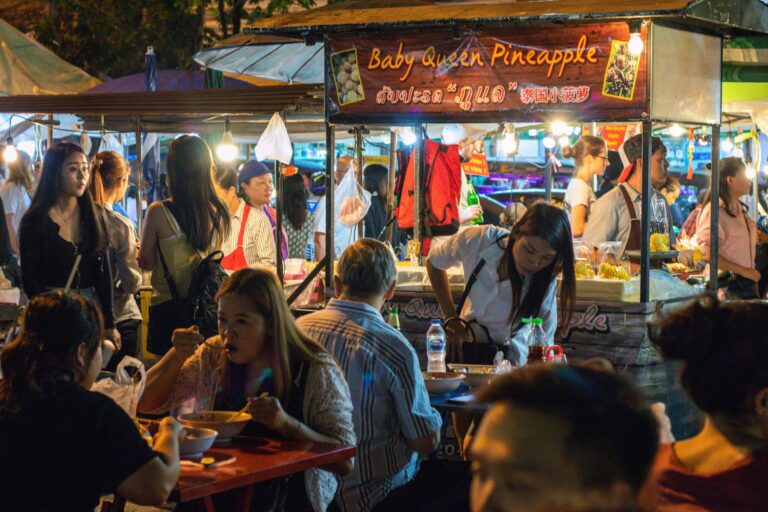
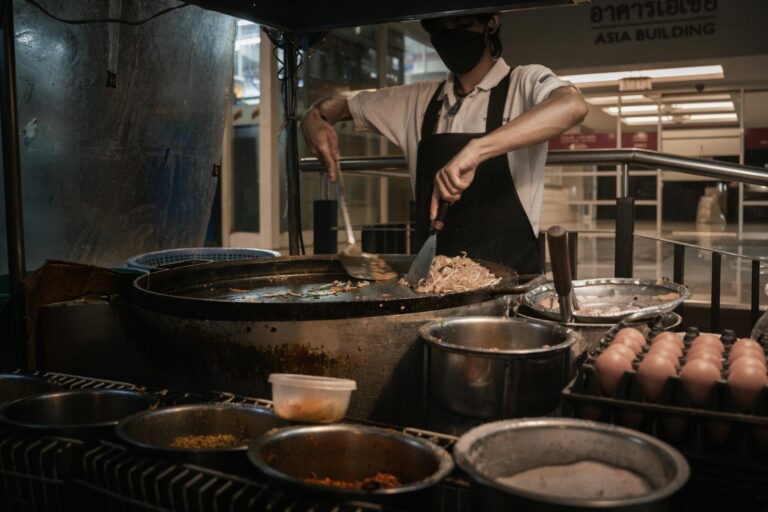
In Bangkok, Chiang Mai, and every small town across Thailand, guay teow isn’t fancy food—it’s your 6am breakfast, the quick lunch you slurp at a plastic stool, the late-night cure after one too many beers. This is how Thailand really eats. Street vendors don’t dumb it down for tourists. They’ve perfected each bowl through sheer repetition, with the same care a high-end chef gives to plating. The difference? Speed, smoke, and knowing that harmony beats any single flashy ingredient.
The Four-Point Balance That Makes Guay Teow Work
Thai food thrives on push-and-pull. Guay teow nails it when sweet, sour, salty, and spicy all hold their ground without overpowering. No metaphors here—it’s straight-up chemistry. Watch a Yaowarat market vendor taste their broth: a pinch of sugar softens the fish sauce’s punch, then lime juice sharpens it back up. At the table, you tweak it further. Need heat? More chili flakes. Too harsh? Extra sugar. Flat? A splash of vinegar.
At home, try this starter ratio per bowl: 2 tbsp fish sauce, 1 tbsp palm sugar, juice from half a lime, and chilies to taste. The broth should taste slightly bland alone—noodles, toppings, and condiments will finish the job. Street vendors get this. They never over-salt because they know what’s coming next.
Building the Broth: Why Clarity Matters More Than Depth
Street carts don’t do 8-hour reductions. At Mo Chit market, you’ll see vendors simmer pork bones with garlic, coriander root, and a dried chili for just 30 minutes—enough for flavor without turning the broth cloudy. Murky liquid means they rushed or skimped on straining.
For pork broth, use neck bones or ribs. Boil water, add bones, then drop to a bare simmer. Skim the foam fast—first 5 minutes count. Toss in smashed garlic, coriander root (cilantro stems in a pinch), and one dried chili. 20-30 minutes max. The broth should taste light, slightly sweet from the bones. Strain it clean. Go easy on seasoning now—you’re laying groundwork, not finishing.
Rice Noodles, Toppings, and the Assembly That Separates Good from Forgettable
Fresh rice noodles (the pre-packaged kind) rule here. Dried ones need boiling, but fresh just wants a hot water dip—any longer and they turn to glue. Have everything ready before broth hits noodles.
A proper bowl needs: blanched gai lan greens, bean sprouts, thin pork slices (or ground pork), and usually a wobbly poached egg. Some spots add liver or blood cake for texture. These aren’t garnishes—they’re load-bearing. Egg yolk thickens the broth. Greens add crunch. Meat makes it stick to your ribs.
Move fast: noodles in bowl, pour boiling broth over, pile on toppings, finish with fried garlic and scallions. Serve with the holy quartet of condiments—chili flakes, sugar, fish sauce, vinegar. Thais always doctor their own bowl. It’s non-negotiable.
Make this once and you’ll get why it’s Thailand’s 24/7 meal. Simple? Yes. Easy? Not quite. Nail the balance and technique, and you’ve got something worth eating. Miss it, and it’s just noodles in broth.