Tokyo
Tokyo Bangkok
 Seoul
Seoul Singapore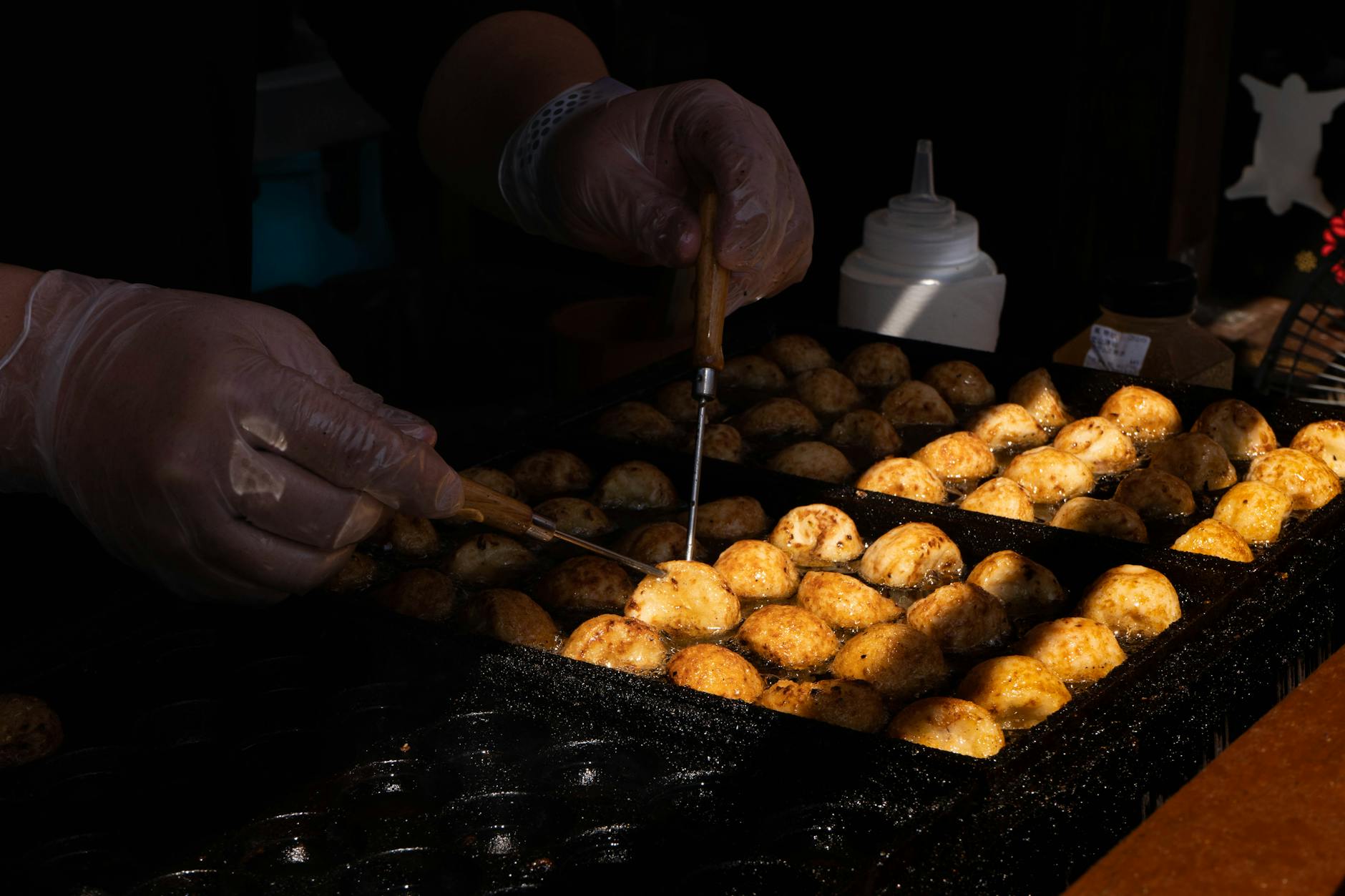
Takoyaki: Origins, Variations, and Where to Eat It
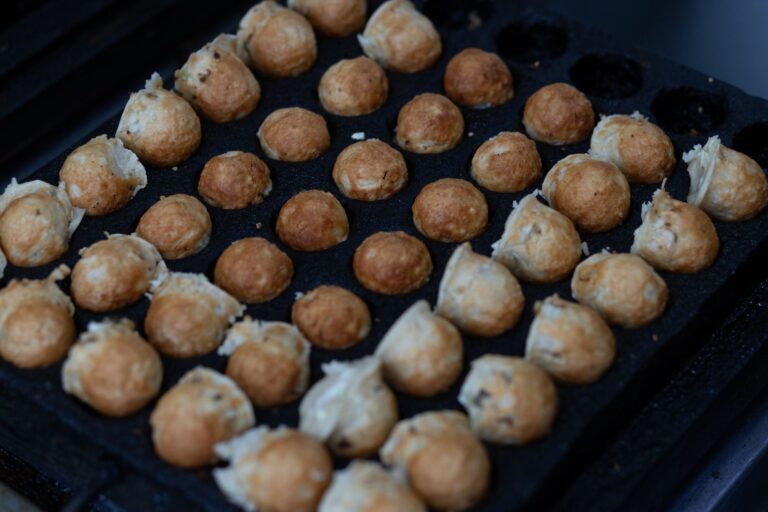
Takoyaki are golden, crispy Japanese snack balls with a molten center. Made from wheat flour batter, they’re cooked in special molded pans until perfectly crisp outside. Inside, you’ll find tender octopus (tako), plus tempura bits, pickled ginger, and green onion. They get drizzled with savory takoyaki sauce, creamy mayo, and topped with dancing bonito flakes and a sprinkle of seaweed. Don’t let their street food status fool you—making great takoyaki takes serious skill. The difference between good and incredible is obvious at first bite.
Origins and History
Takoyaki popped up in Osaka during the 1930s-40s. Nobody agrees exactly who invented it, but most credit goes to Endo Kentaro, a street vendor who tweaked akashiyaki (sweet bean-filled snacks). He swapped beans for octopus and savory toppings instead. The idea caught fire fast, especially in Osaka’s working-class areas like Dotonbori. By the postwar years, it was the city’s signature street food.
The special takoyaki pan—with its half-sphere molds—was custom-made for this dish. By the 1960s, food carts and festivals had spread takoyaki nationwide. Osaka still claims it as their own, though. The 1970s saw the first proper takoyaki restaurants, moving it beyond just street stalls.
Regional Variations
Same dish, different styles across Japan.
Osaka does it classic—big octopus pieces, extra crispy shells, loaded with sauce and mayo. They cook theirs a bit longer for that perfect crunch-to-gooey ratio. Some spots even layer takoyaki and okonomiyaki sauces for extra punch.
Tokyo keeps it refined. Lighter batter, measured toppings. Quality ingredients take center stage here. You’ll find fancy twists like cod roe or cheese fillings that’d make Osaka chefs gasp. Less street theater, more balanced flavors.
Kyoto adds local flair—maybe a hint of yuzu or chili powder. Presentation matters more, sometimes served on nice dishes instead of paper. They experiment with fillings but still do traditional versions right.
What Makes Great Takoyaki
Three things set the best apart: heat control, good ingredients, and skill.
The octopus needs to be just right—tender but with a slight chew. Daily fresh deliveries beat frozen every time. Mushy or rubbery means they messed up.
Tempura scraps aren’t just filler. Good shops pick them carefully or make their own. They add essential crunch.
Batter has to hit the sweet spot—too thick and it’s doughy, too thin and it falls apart. The pan matters too. Cast iron or molybdenum steel works best, getting better with age like a good wok.
Making them takes constant attention. A pro flips each ball every 30-45 seconds with special picks. Rushing ruins the texture. Here’s a secret: the best takoyaki often cook a bit longer than you’d think. That extra 10-15 seconds makes the shell perfectly crisp without overcooking the center.
Where to Try Takoyaki: City by City
Osaka is takoyaki central. Dotonbori alone has dozens of spots. Kiji (open since 1945) is the OG takoyaki restaurant. For variety, hit Takoyaki Museum to sample different styles. Want something new? Try Takoyaki Under the Bridge’s creative takes.
Tokyo clusters its best around Shinjuku, Harajuku, and near Tsukiji Outer Market. Their Takoyaki Museum (different from Osaka’s) lets you compare styles. Smaller shops near Meiji-Dori focus on top-notch ingredients over flash.
Kyoto has fewer specialists, but Kawaramachi and Gojo Station areas have solid options. Since it’s less common here, the good spots really stand out.
Price Guide
Street stall takoyaki (6 pieces) runs ¥400-600 in Osaka/Tokyo, ¥500-700 in Kyoto. Sit-down restaurants charge ¥800-1,500 for a full serving. Fancy places in Dotonbori or Shinjuku might go ¥1,200-2,000 for premium versions. Near tourist spots? Expect to pay 20-30% more for the same quality.
That’s takoyaki—Japan’s perfect combo of skill and accessibility. A dish that takes years to master, costs pocket change, and tastes best seconds off the grill.