Tokyo
Tokyo Bangkok
 Seoul
Seoul Singapore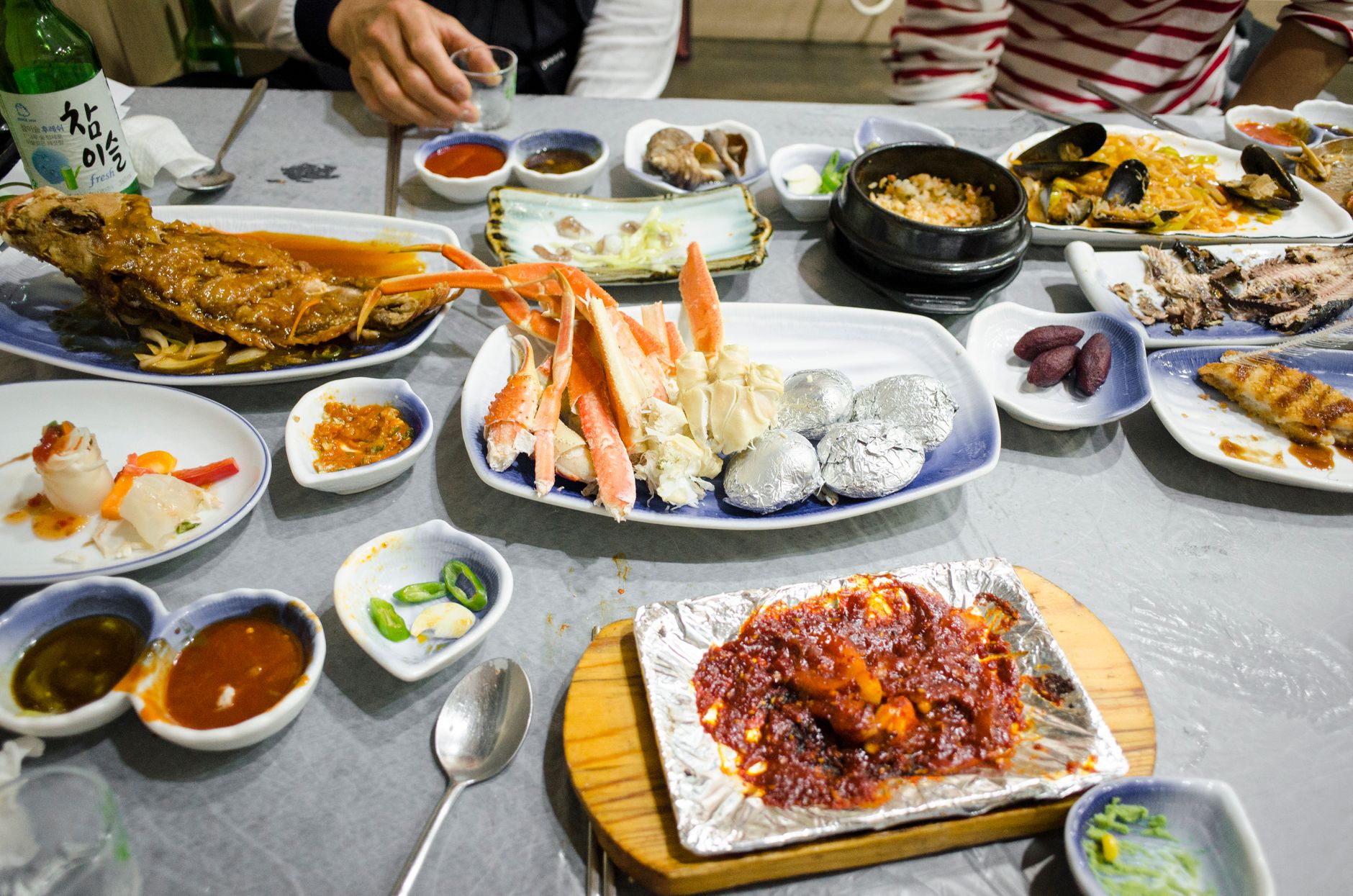
Korean Diet and Longevity: The Science Behind Fermented Foods
South Korea clocks in with the world’s second-highest life expectancy at 83.3 years – and it’s not about genes. The secret’s on the plate. A diet packed with fermented veggies, minimal animal fat, and mostly plants has turned Korean eating into a blueprint for long life, studied by scientists worldwide.
Fermentation as Medicine: Why Kimchi and Doenjang Matter More Than Supplements
Kimchi and doenjang aren’t just tasty – they’re gut-health powerhouses. When these foods ferment, good bacteria like Lactobacillus multiply, creating probiotics that boost digestion and immunity. A 2021 study in the Journal of Gerontology found regular fermented food eaters over 65 had better heart health and lower mortality rates.
Here’s the catch: not all fermented foods work the same. Store-bought kimchi loaded with sugar and preservatives doesn’t pack the probiotic punch of traditional versions that ferment for weeks. Real kimchi has visible sediment and a sharp tang – signs of active cultures. Proper doenjang should smell funky, almost ammonia-like, proving it’s fully fermented.
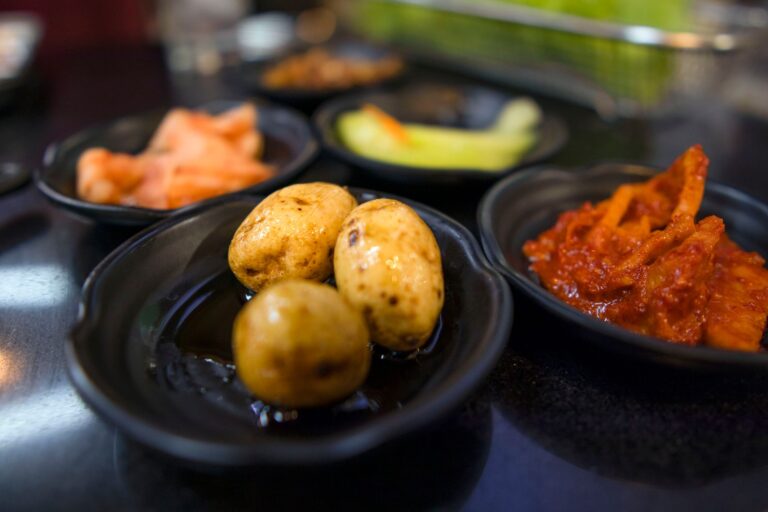
Beyond kimchi, Korean kitchens use dozens of fermented staples: spicy gochujang, briny jeotgal, various pickled veggies. These add deep flavor and good bacteria without the fat and sodium overload of Western processed foods.
Vegetables Dominate Every Meal: The 70-30 Plate Structure
Korean meals don’t revolve around protein. Rice and vegetables take center stage, with meat or fish playing supporting roles. A typical dinner includes five to nine banchan (side dishes) – think garlicky spinach, mushrooms, radish, cucumber salads.
This is intentional. The Korean plate is about 70% vegetables to 30% protein and grains. Compare that to the American plate’s upside-down ratio, and the health difference explains itself. All those plants deliver fiber and nutrients without calorie overload. It’s satisfying without trying.
Walk into any Seoul restaurant or home kitchen, and you’ll see meat used strategically – as broth flavoring or in small stir-fry amounts. Fish often comes whole, meant for sharing. This portion control has stayed consistent for generations, creating a longevity-friendly eating pattern.
The Low-Fat Truth That Contradicts Western Diet Culture
Korean cooking uses surprisingly little oil. Stir-fries get just enough to prevent sticking. Soups stay broth-based. Grilling means dry heat. The result? A diet naturally low in saturated fat that doesn’t feel restrictive – it’s just how the food works.
What most Western health articles miss: this isn’t about banning fat. Korean dishes use sesame oil, fish fats, and legume proteins – but in measured amounts that satisfy without overdoing calories. A bowl of doenjang-jjigae with tofu and veggies delivers complete nutrition under 300 calories.
The reality check: Korea’s longevity comes from centuries of eating this way – heavy on plants and fermentation, light on meat and fat. It’s not glamorous. It just works.
What to Do Now
Start simple: grab live-culture kimchi from a Korean market’s fridge section (skip the shelf-stable stuff) and eat a bit daily. Then try structuring one weekly meal the Korean way – rice, several veggie sides, modest protein. You’re not starting a diet. You’re borrowing a system that’s already proven itself.