Tokyo
Tokyo Bangkok
 Seoul
Seoul Singapore
Karaage: Japan’s Fried Chicken Explained
Karaage isn’t just fried chicken. It’s Japan’s way of proving that less is more. And if you’ve only had the sad, soggy versions at tourist spots, you’ve been missing the point.
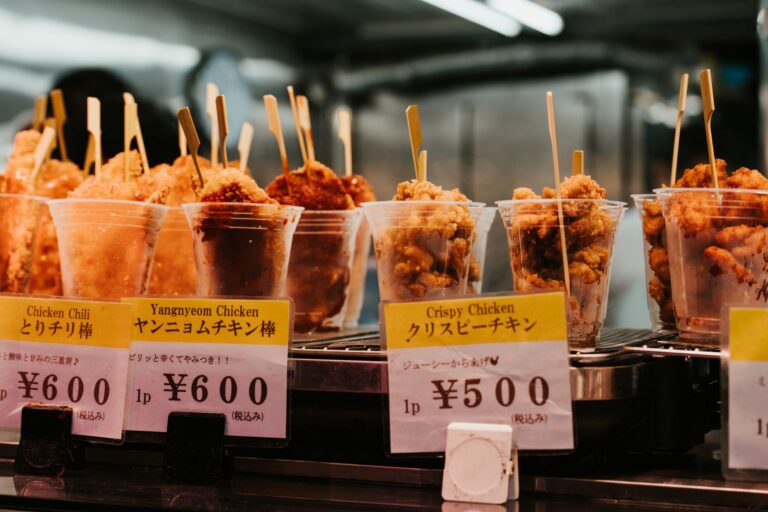
The real deal—the kind that makes you get why Japan obsesses over it—goes like this: salty, savory, with a hit of ginger and garlic, thighs fried so the outside crunches and the inside stays juicy. No heavy breading. No gimmicks. Just perfect execution.
Karaage Is Simple, But Not Easy
Karaage popped up in Japan in the 1920s, borrowing from Portuguese frying techniques that never quite caught on. Japan made it better by keeping it barebones. The marinade—soy, sake, mirin, ginger, garlic—soaks into the meat for hours. The chicken (thighs only; breasts are too dry) gets dried off. Then it fries at 350°F for about four minutes. Crispy outside, tender inside. That’s the whole trick.
Good karaage vs. bad karaage? It’s about three things: better chicken (Japanese birds pack more flavor), patience with the marinade, and not overcooking it. Most places outside Japan pull it out too soon. Golden isn’t enough. Perfect takes another half-minute.
Where to Get the Real Thing
In Tokyo, avoid the chains. Hit Torigin in Shibuya—a tiny standing bar where a 70-year-old has been frying chicken the same way for decades. Get the classic. Watch him. You’ll see why he doesn’t bother with a menu.
Fukuoka is karaage heaven. Torikizoku does it cheap and fast. But for the locals’ favorite, try Karaage no Tatsuta in Nakasu. The chicken tastes like it was born to be fried. Probably was.
Outside Japan, London’s Koya Ko in Soho nails it—they use Japanese chicken when they can and never rush the fry. New York’s Rezdôôd in the East Village treats it with respect. Sydney’s Ippuku in Surry Hills keeps it honest: no fuss, just great karaage in a laid-back spot.
The Real Secret: Your Neighborhood Izakaya Might Be the Best
Here’s the truth: the best karaage could be at some random izakaya run by a cook who learned from their grandma. It’s not a fancy dish. It’s a litmus test for whether a kitchen knows its stuff.
It’s also cheap when done right. If you’re paying over $12, you’re paying for decor, not skill. Karaage should be affordable—any place charging a premium is cutting corners.
Unlike sushi or ramen, karaage travels well. It even survives freezing if fried right the first time. That’s why decent frozen versions exist.
Here’s the move: Find a local Japanese spot that treats karaage like it matters—not just an afterthought. Order it. If the crust shatters and the meat’s juicy, you’re golden. If it’s greasy or rubbery, walk out. Karaage doesn’t lie. It tells you who’s serious.