Tokyo
Tokyo Bangkok
 Seoul
Seoul Singapore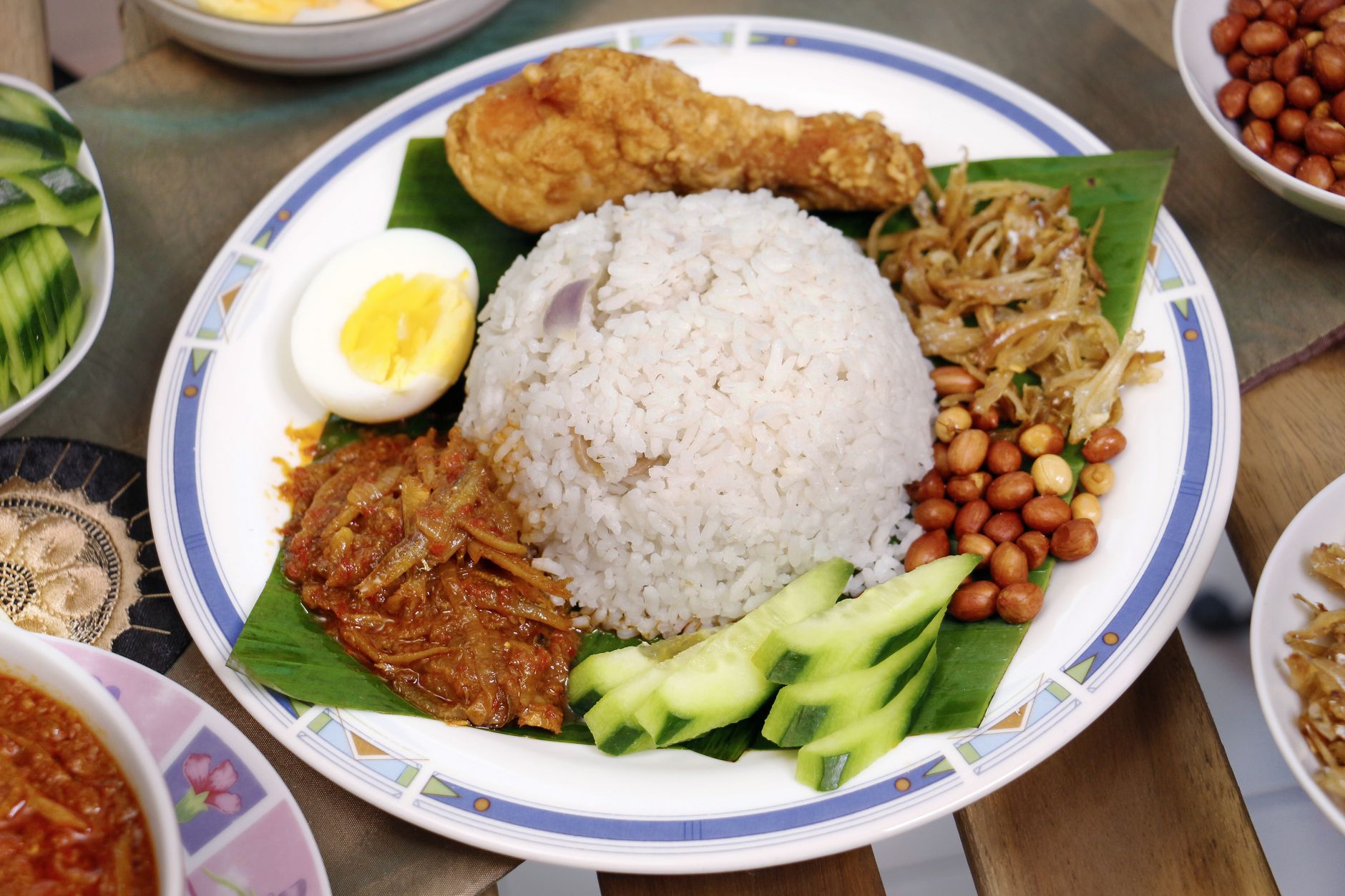
Malaysian Mamak Stalls: Why 24-Hour Food Courts Run the Country
Mamak stalls aren’t just restaurants. They’re Malaysia’s unofficial community centers—where business gets done, friendships form, and everyone from bankers to taxi drivers eats together at odd hours. The 24-hour mamak is where real life happens.
Mamak Stalls Are Where Class Disappears in Malaysia
Picture this: a cluster of food vendors under one roof, usually run by Indian-Muslim families (“mamak” means uncle in Tamil). Same layout every time—order counter up front, shared tables, kitchen on full display. A CEO might be sitting next to a janitor. That’s not an accident. It’s the whole idea.
Good mamaks aren’t about fancy presentation. They’re about getting it right, fast. Perfect roti canai—crispy outside, soft inside, never oily. Teh tarik poured just high enough to froth without spilling. Curry that clings to the food instead of swimming in it. Mediocre spots cut corners. The best ones nail these details hundreds of times a night.
The menu stays small on purpose. Roti, naan, murtabak, curry, rice. Drinks: tea, coffee, juice. Fewer dishes mean they can actually master them instead of serving fifty things poorly.
Jalan Alor in Kuala Lumpur and Penang’s Georgetown Are the Templates
Jalan Alor is KL’s mamak central—a narrow street packed with stalls. It’s busiest when normal restaurants close. Office workers, night owls, cabbies all crowd in. Try the roti canai at Restoran Pelita or join the line wherever you see locals waiting for murtabak.
Penang’s mamaks feel different—older, family-run spots tucked into Georgetown’s shophouses. Some have used the same recipes for decades. Hit Restoran Kapitan or that no-name place on Lebuh Chulia with killer spicy sambal on their nasi lemak.
Pro tip: Bring cash and an appetite. While many take cards now, cash still rules. Order at the counter, grab a seat, and your food should arrive before you can check your phone. In and out in under half an hour.
The Mamak Stall Exists Because Malaysia’s Formal Institutions Failed to Create Public Space
Malls charge premium prices. Fancy restaurants have dress codes. Mamaks never cared about any of that. They stayed open all night. Meals cost pocket change. Everyone was welcome—no questions asked.
That’s why mamaks became essential. They filled a gap nothing else would. The 24-hour schedule wasn’t some marketing ploy—it served night shift workers who had nowhere else to eat. Security guards. Hospital staff. Delivery drivers.
Here’s what guidebooks won’t tell you: Mamaks are where Malaysia’s multiculturalism actually works. Not in speeches or policy papers, but in the simple way people from different backgrounds share tables without thinking twice. No big deal. Just how things are.
Find a mamak late at night. Get roti canai with dhal curry and a frothy teh tarik. Sit with strangers. This is the real Malaysia.