Tokyo
Tokyo Bangkok
 Seoul
Seoul Singapore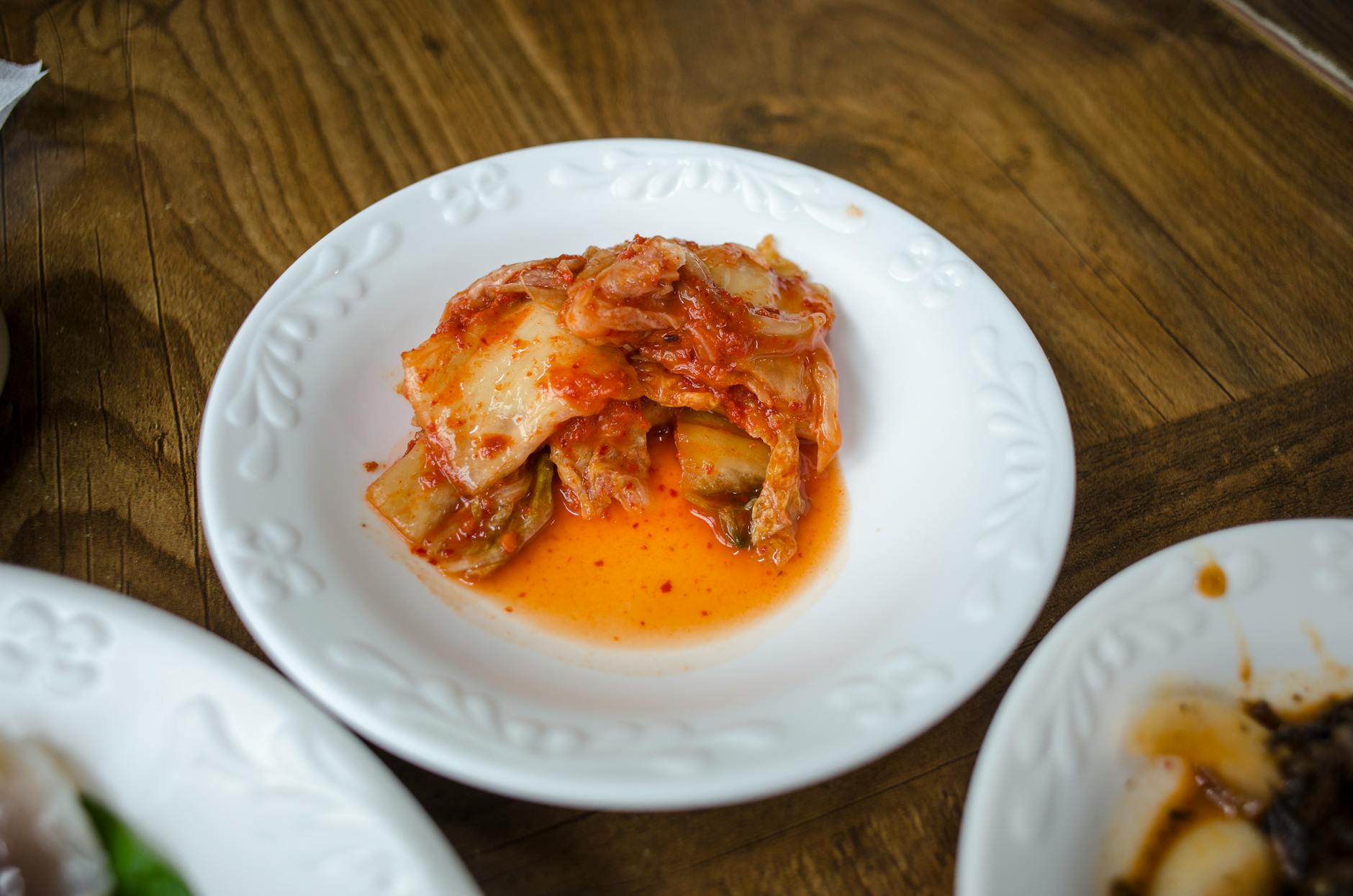
Kimchi Jjigae: Korean Comfort Food Beyond the Tourist Trail
At 6 AM on a Tuesday in Seoul, ajummas are already simmering pots of kimchi jjigae in local joints. Not for visitors—for construction crews, janitors, and nurses clocking out. This stew isn’t reserved for special occasions. It’s what happens when your fridge has old kimchi, some pork scraps, and you need a hot meal fast.
Kimchi jjigae is Korean home cooking at its core. No frills. No fuss. Just warmth, resourcefulness, and the kind of flavor that feels like a worn-in sweater.
When Kimchi Jjigae Became the Stew Everyone Makes
Kimchi jjigae didn’t exist before the 1950s. That’s key. Korea’s kimchi tradition stretches back centuries, but this stew was born from postwar hustle—when American canned meat hit Korea and cooks tossed it into pots with aging kimchi. Spam jjigae, budae jjigae, and kimchi jjigae all share this scrappy origin. They’re not relics. They’re accidents that stuck.
By the 1970s, kimchi jjigae was the go-to stew in Korean homes. Cheaper than other jjigae, using stuff people already had fermenting, tasting better as the kimchi turned tangier. Koreans don’t make this for guests. They make it on random weeknights, when someone’s under the weather, when the budget’s tight. The best versions taste like muscle memory—like someone’s mom made it without glancing at a recipe.
Regional Versions and What Locals Actually Add
Seoul keeps it simple: aged kimchi, pork belly, tofu, anchovy broth, maybe extra gochugaru. Busan, being coastal, throws in squid or mackerel. Jeolla folks load up on veggies—zucchini, perilla leaves, even chestnuts in fall. Gangwon, where kimchi is serious business, uses months-old kimchi, nearly black, sour enough to make your jaw clench.
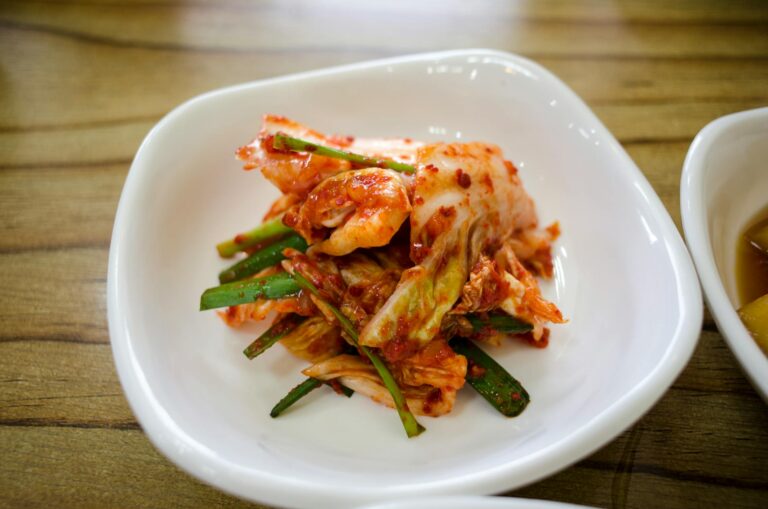
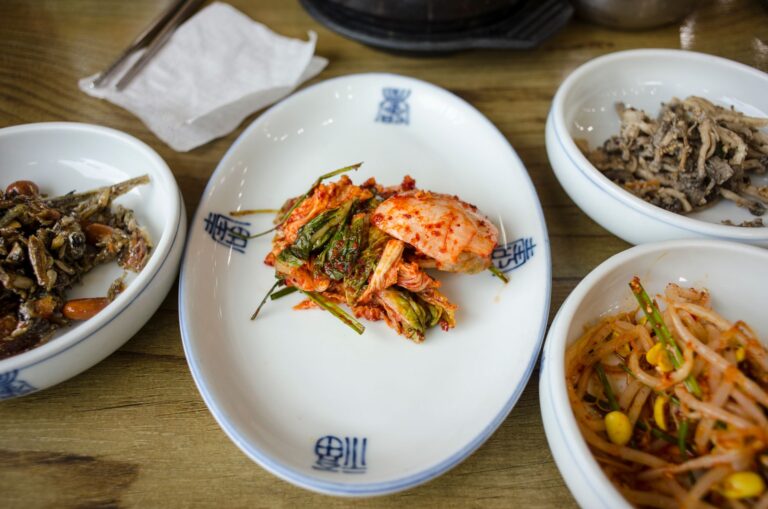
The local tell? Koreans use kimchi that’s seen better days. The jar buried in the fridge for weeks. The funkier, the better. Tourists expect bright, fresh kimchi. Locals want that fermented punch. They’ll toss in perilla leaves without a second thought, use the kimchi juice as broth, and often drop in a raw egg to poach lazily. Some households freeze pre-mixed bases—kimchi, gochugaru, anchovy stock—for those “can’t deal with dinner” nights.
How to Eat It Like You Live Here
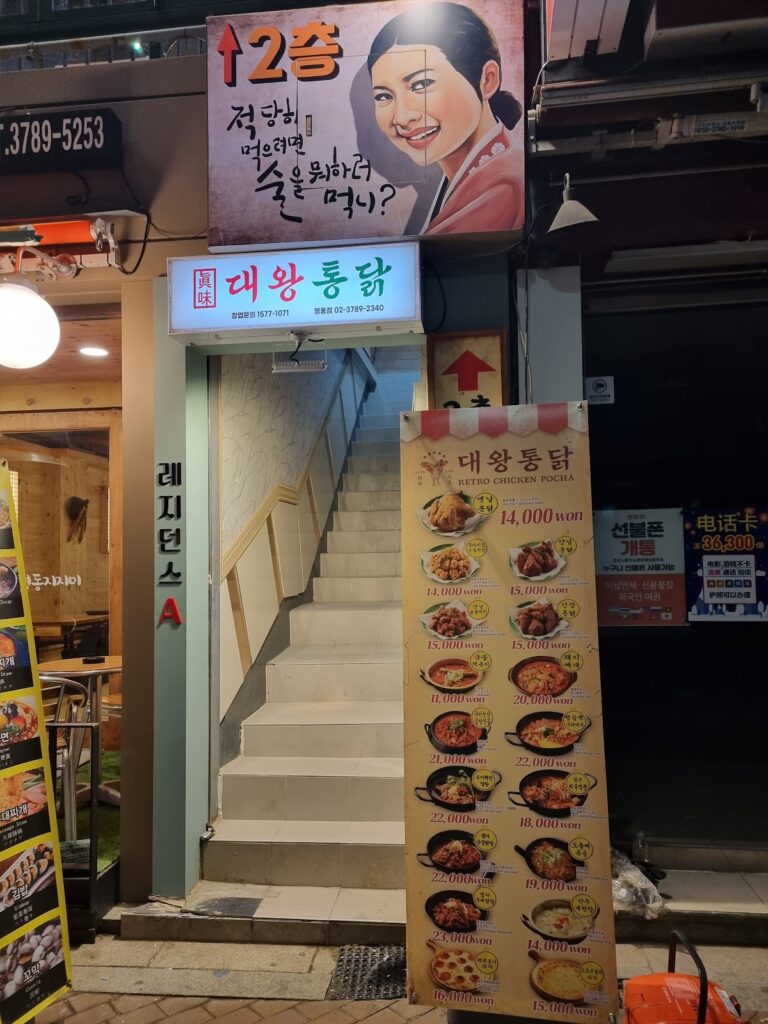
Skip the English-menu spots. Hit a pojangmacha or a hole-in-the-wall jjigae-jip. Grab a counter seat if there’s one. The stew lands at your table, lava-hot in a stone bowl. Wait. Two minutes. Koreans know you’ll regret not waiting.
Use a spoon, not chopsticks, for the broth. Smash tofu chunks with your spoon. If there’s rice, alternate bites—jjigae, rice, repeat. The meal takes 20 minutes, not five. No rush. You’re sharing the table with coworkers or solo with a newspaper, eating something that costs pocket change and tastes like someone bothered to do it right.
At home? Use kimchi that’s fermented at least two weeks. Older is better. Don’t stress about presentation. The good stuff looks messy—kimchi falling apart, broth murky with bits, everything softened into submission by the heat.