Tokyo
Tokyo Bangkok
 Seoul
Seoul Singapore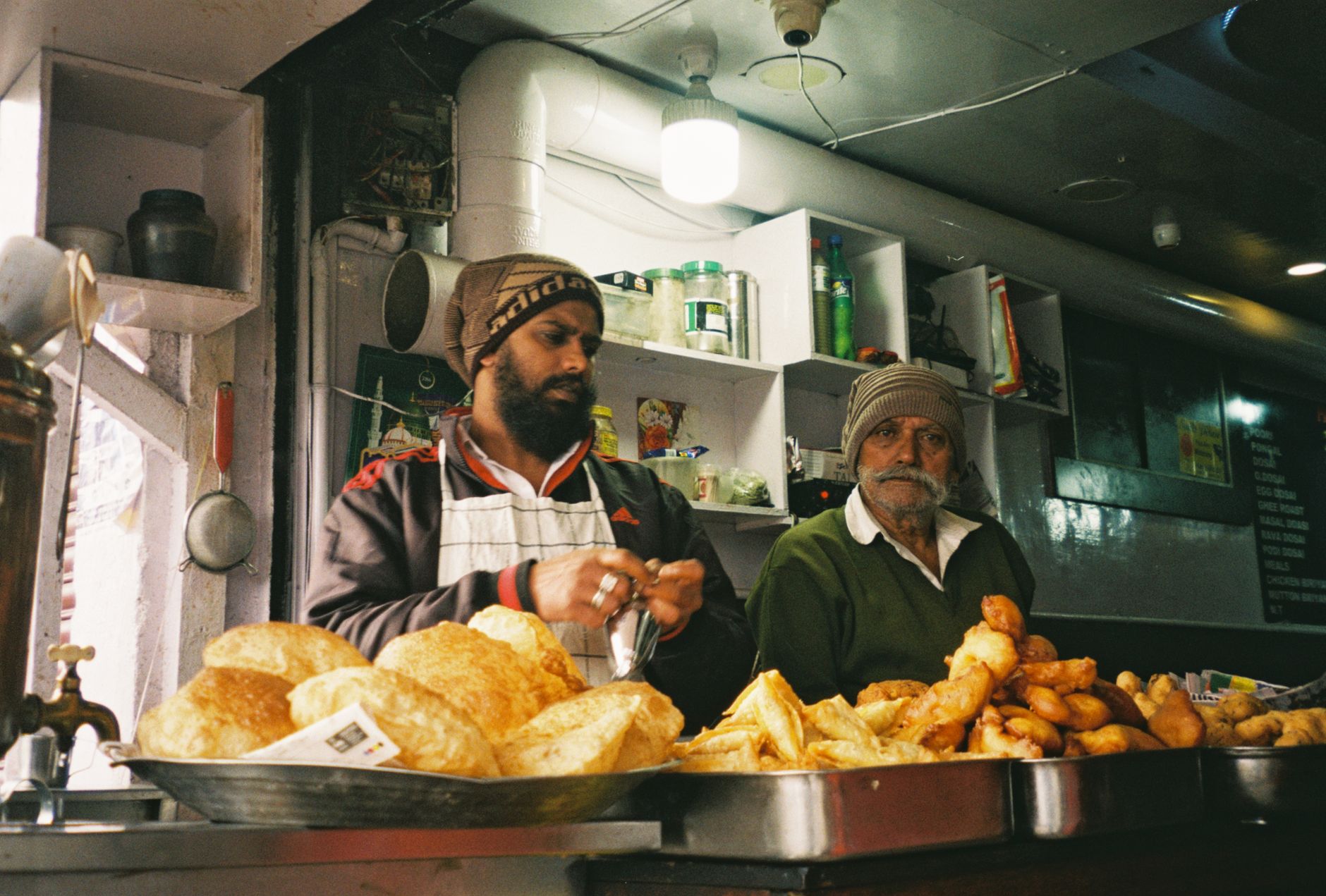
Singapore Street Food Guide: Eat by Neighborhood
Singapore’s street food isn’t just for tourists—it’s how most locals eat every day. The hawker centers and coffee shops in neighborhoods like Tiong Bahru, Geylang, and Tanjong Pagar aren’t museums. They’re real kitchens where cooks have spent decades mastering one dish. Skip the guidebook spots. This is where Singaporeans actually eat.
Tiong Bahru: Old-School Flavor in a Historic Setting
Tiong Bahru hawker center sits in Singapore’s first public housing estate, built in the 1930s. The stalls here are family-run, passed down for generations. No weak links. The laksa is Peranakan-style: turmeric-heavy, coconut milk cut with tamarind, served with crispy-edged rice cakes. Char kway teow should be nearly black from the wok, packed with fermented soy bean paste. No half-measures.
Show up by 10:30 a.m. to beat the lunch rush. The laksa stall with the longest line? That’s the one—run by the same woman since 1987. Get the char kway teow with extra cockles and lap cheong. Expect to pay SGD 3-4.
Geylang: Eat Like the Night Owls Do
Geylang doesn’t follow Singapore’s usual rules. Yes, there’s a red-light district. But the real action is the food. Stalls here live or die by reputation alone. This is where you’ll find real satay—meat marinated for half a day in galangal, lemongrass, and turmeric, grilled over charcoal. The peanut sauce? Made from scratch, no shortcuts.
Head to Geylang Serai Market around 4 p.m., when dinner prep kicks off. Follow the smoke to the satay stalls. Order 10 sticks with lontong (rice cakes). Grab a Tiger beer. Eat standing up. Total damage: SGD 8-12.
Tanjong Pagar: The Chicken Rice Worth the Wait
Tanjong Pagar Plaza hawker center gets packed by 12:30 p.m. That’s your cue the food is legit. The chicken rice is the move here: poached chicken kept warm in its own broth, served with rice cooked in chicken fat. The difference between good and great? Temperature control (160°F max) and a broth laced with ginger and scallions.
Get there by 11:45 a.m. if you want a seat. The family-run stall near the entrance hasn’t missed since 2003. Order the chicken rice with a side of soup. Cost: SGD 4-5.
Hawker Centers Aren’t Pretty. That’s the Point.
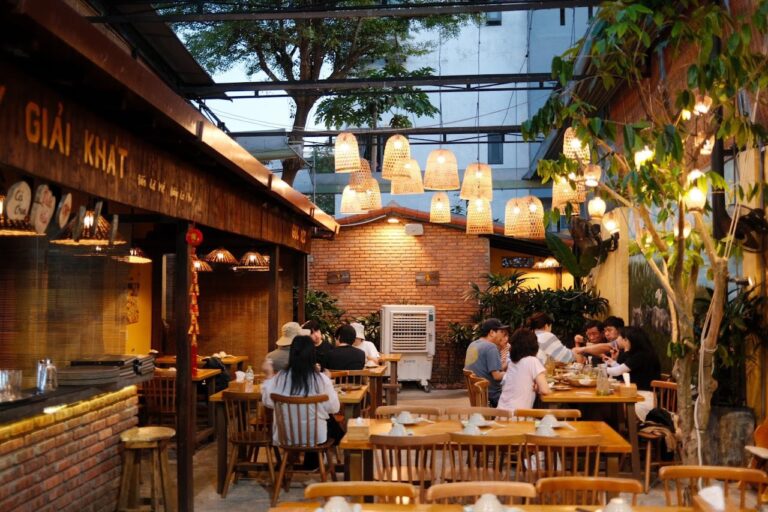
Forget the polished travel magazine version. Hawker centers are loud, crowded, and strictly no-frills. Plastic stools. Shared tables. Cooks focused on speed and flavor, not ambiance. If the food slips, customers walk. That pressure keeps standards high.
Start with Tiong Bahru to learn the ropes. Hit Geylang next, then Tanjong Pagar. Breakfast at one spot, lunch at another, dinner at a third. That’s the Singapore way.