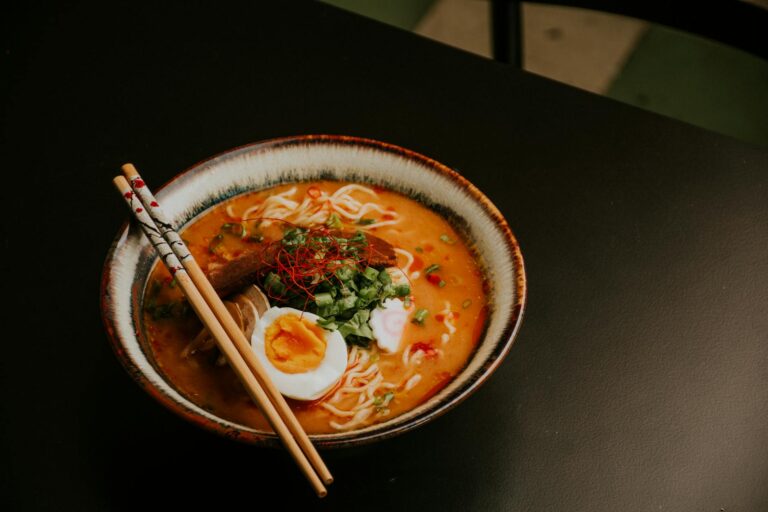
Tokyo
Tokyo Bangkok
 Seoul
Seoul Singapore
Mentaiko Pasta Recipe: Make It Like Tokyo
In a tiny Shibuya pasta bar, the cook moves like they’ve done this ten thousand times before. Mentaiko pasta—just spicy cod roe, butter, pasta water, and nori—lands on your plate in under three minutes. The roe stays whole. The pasta holds up. The sauce clings perfectly. Most home cooks mess up all three. Here’s how to nail it.
Why Mentaiko Pasta Works (And Where It Goes Wrong)
This dish came from 1960s Japan when Italian pasta met local ingredients. The ingredient list is short—shorter than most pasta dishes—but precision matters. Two things make or break it: good quality mentaiko and treating it as an emulsion, not a sauce.
Bad versions happen when the roe breaks, turning grainy and separating. The good stuff keeps the roe intact in a glossy, creamy coating that sticks to every strand. It’s all about technique, not fancy ingredients.
Get mentaiko—salted, spiced cod roe—from a Japanese grocer or trusted online source. Skip the cheapest options; quality varies. Look for bright orange color and firm texture. Pollock roe works in a pinch but isn’t as rich. You’ll need unsalted butter, decent pasta (spaghetti or bucatini work best), nori sheets, and that’s it. Salt the pasta water heavily—it should taste like seawater.
How To Do It Right
Cook pasta just shy of al dente—it’ll finish cooking later. Drain it, then set up a large bowl over barely simmering water (bain-marie style). Melt two tablespoons unsalted butter in the warm bowl—not hot, just warm. Add about 100 grams mentaiko for four servings and stir gently with a wooden spoon. You want some roe chunks left for texture.
Toss in the drained pasta. Gradually mix in reserved pasta water—about a cup total—stirring constantly. The starchy water emulsifies with butter and roe into that perfect clingy sauce. Stop adding water when the pasta looks properly coated. Takes about two minutes of stirring. Go easy on seasoning—the mentaiko brings enough salt and spice.
Serve immediately. Tear nori over the top, maybe a squeeze of lemon. Some places add bonito flakes that curl from the heat. Done.
Where Most Recipes Screw Up
Western recipes often say to mix mentaiko in a cold bowl with hot pasta. That’s how you get broken, grainy roe. Japanese cooks keep everything gently warm—bowl, butter, roe—before adding pasta. No thermal shock means intact roe.
Another mistake: adding cream. That’s a Western twist that misses the mark. The sauce gets its silkiness from the butter-starch emulsion, not dairy. If you’re used to cream sauces, this will taste cleaner and lighter. That’s how it should be.
Watch the salt, too. The pasta water needs to be salty, but don’t overdo it thinking you’ll adjust later. Mentaiko brings plenty of salt on its own.
Find the best mentaiko you can get, use fresh pasta, and nail the technique once. You’ll see why this dish took over Japanese restaurants worldwide. Simple done right beats complicated every time.